
Precision spraying
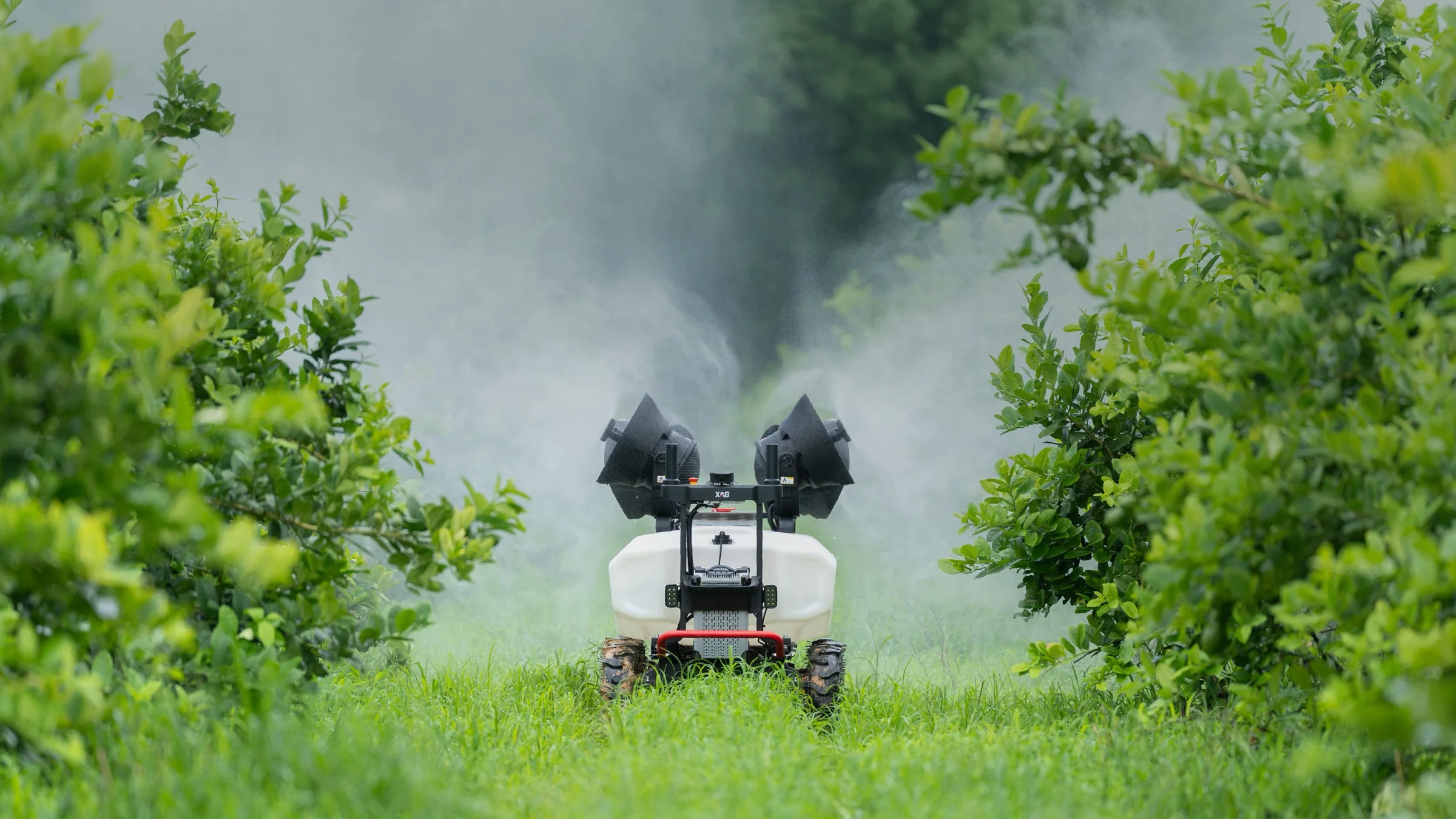
Four pumps and four centrifugal atomizers move high-volume application deep into dense canopies.

XAG Authorized Distributor in Canada, serving customers from coast to coast.
Smart Farm Co-Pilot

A high-capacity, six-wheel agricultural rover that brings precise spraying and repeatable autonomous routes down between the rows.
R200 places the application system beside the canopy rather than above it. Its narrow chassis, six driven wheels, remote view, and route memory are designed for orchards, vineyards, and other blocks where access matters as much as capacity.
Four pumps and four centrifugal atomizers move high-volume application deep into dense canopies.
A 31.5 in (80 cm) body brings traction and on-the-spot turning into narrow crop rows.

Cruise, path tracking, repeat routes, and field planning support more consistent passes.

SRC 5 puts FPV video, vehicle status, and route controls in the operator’s hands.

A shared XAG battery system supports quick field turnaround without an engine at the row.

The rover base can support task-specific add-ons beyond the supplied spray system.
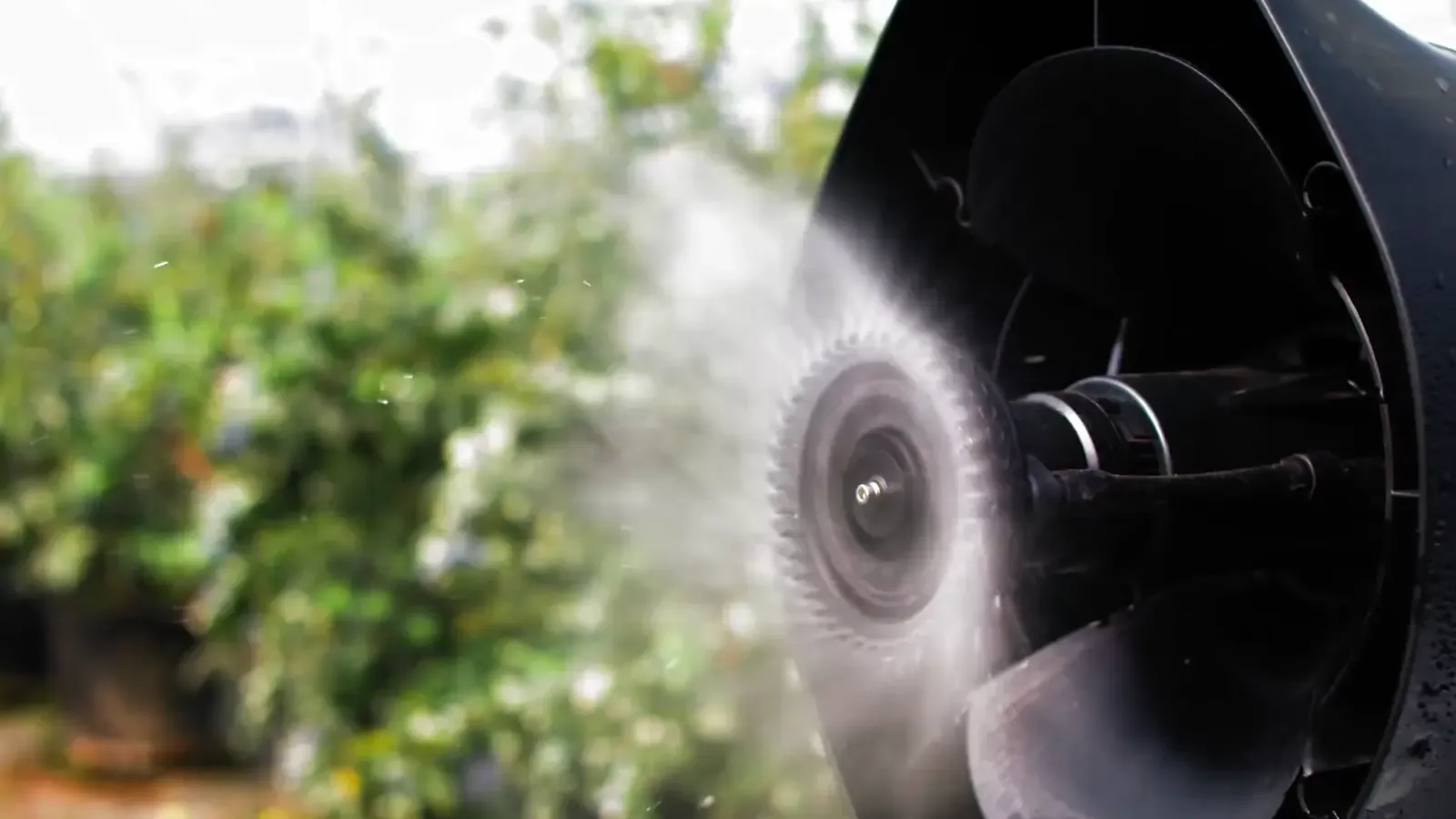
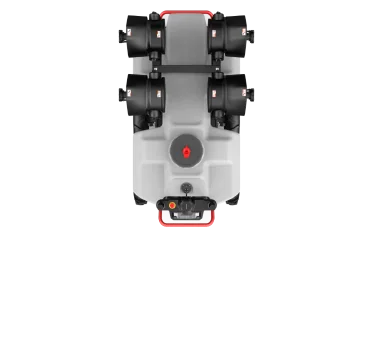
Four pumps feed four centrifugal atomizers for high-volume application through dense crop canopies. Droplet control and speed-linked flow help put the target rate into the row while reducing unnecessary water and chemical use.
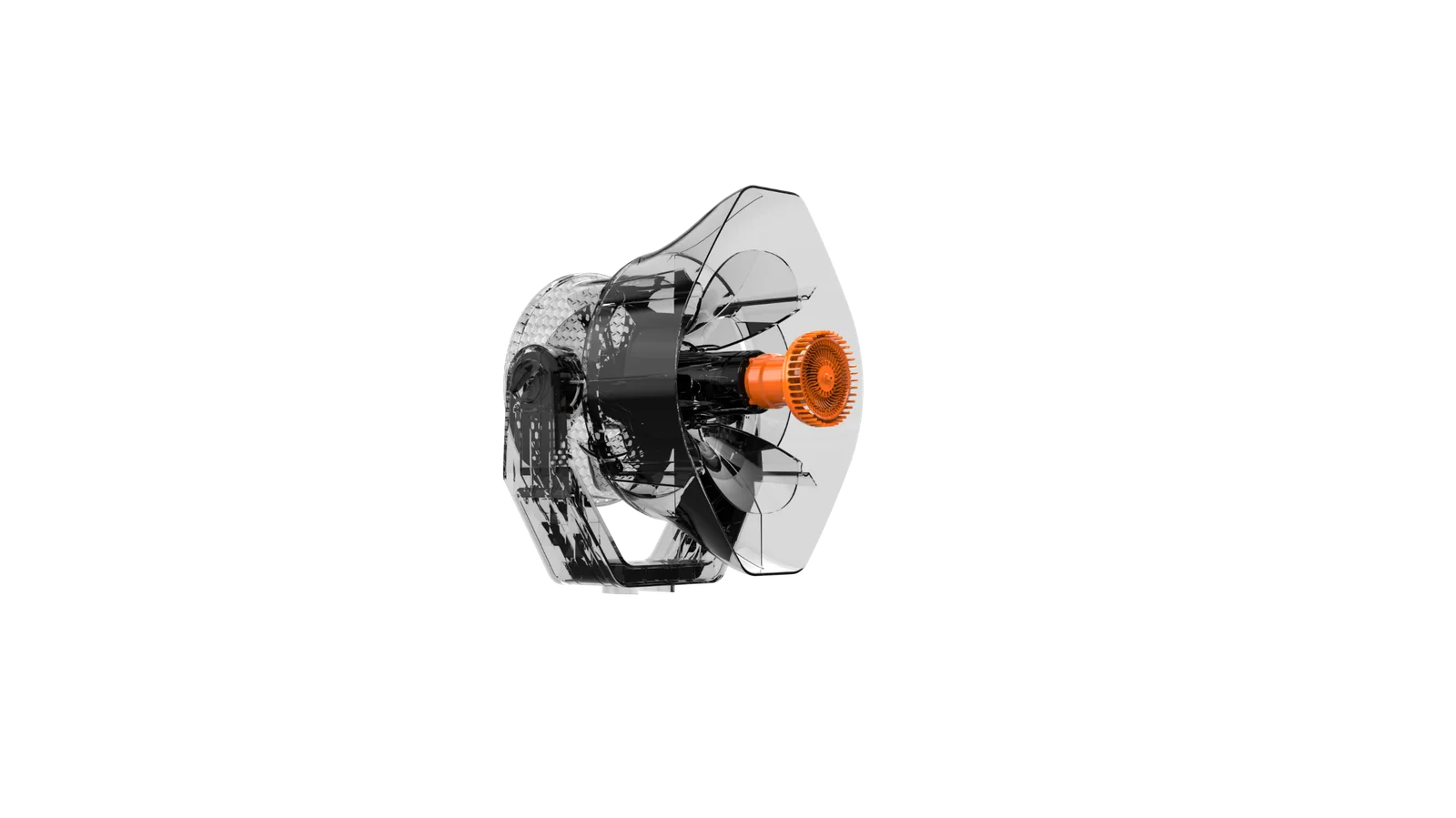
Adjustable 60–200 μm droplets create a fine, uniform mist for thorough crop coverage.
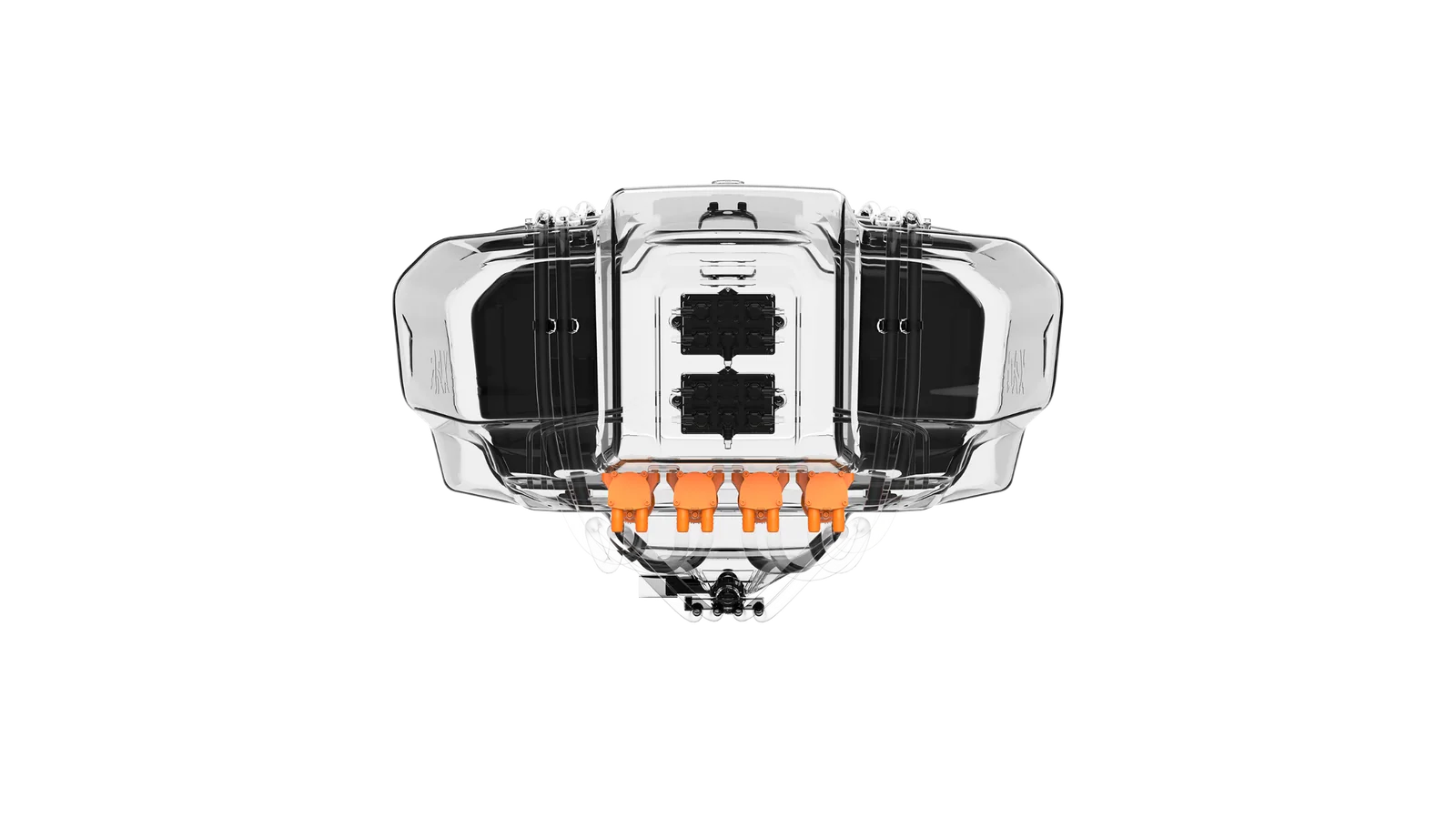
Up to 16 L/min (4.2 US gal/min) with precise flow control and more than 300 hours of pump service life.
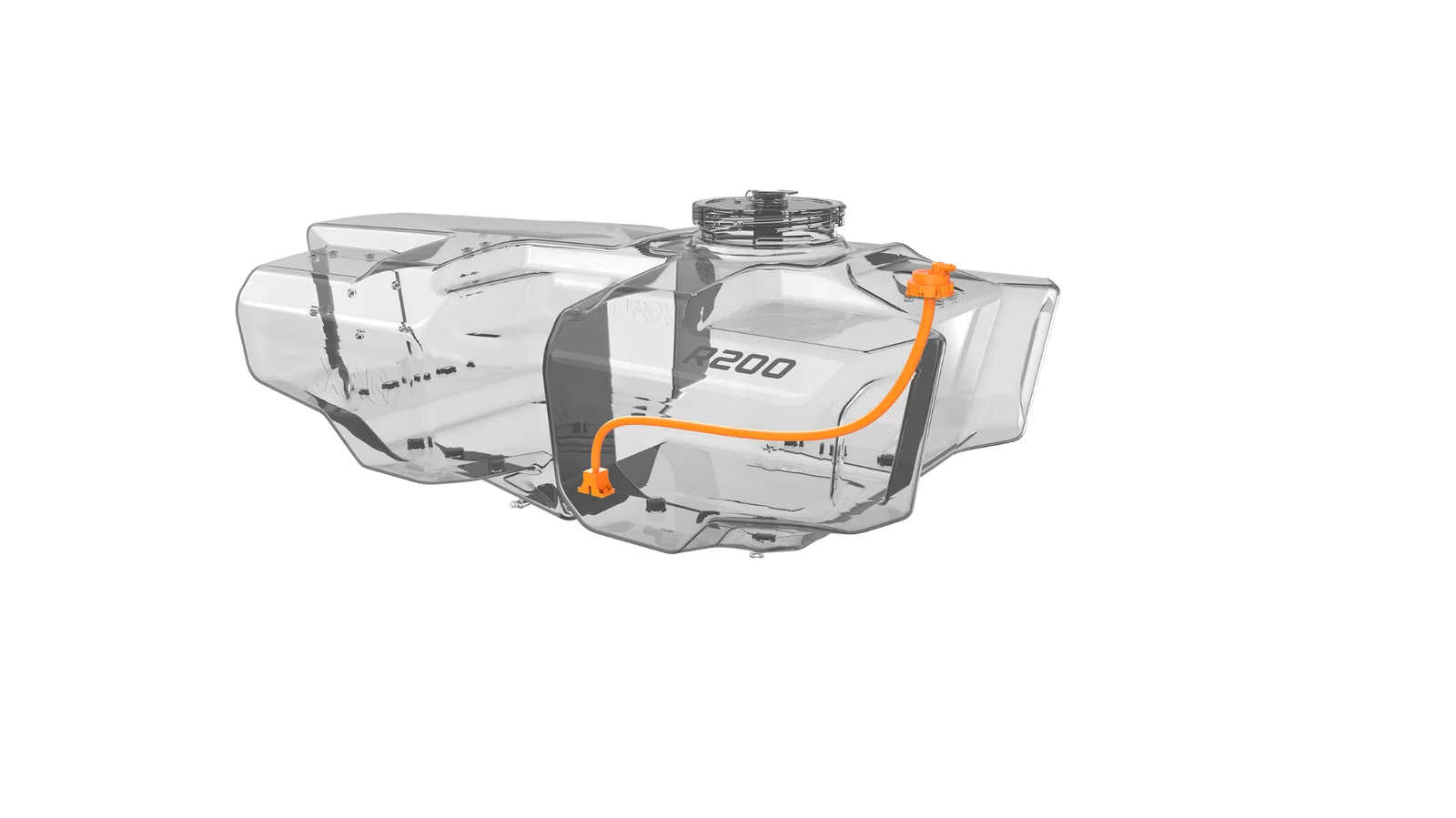
A high-precision level sensor uses a capillary air tube to monitor remaining liquid.
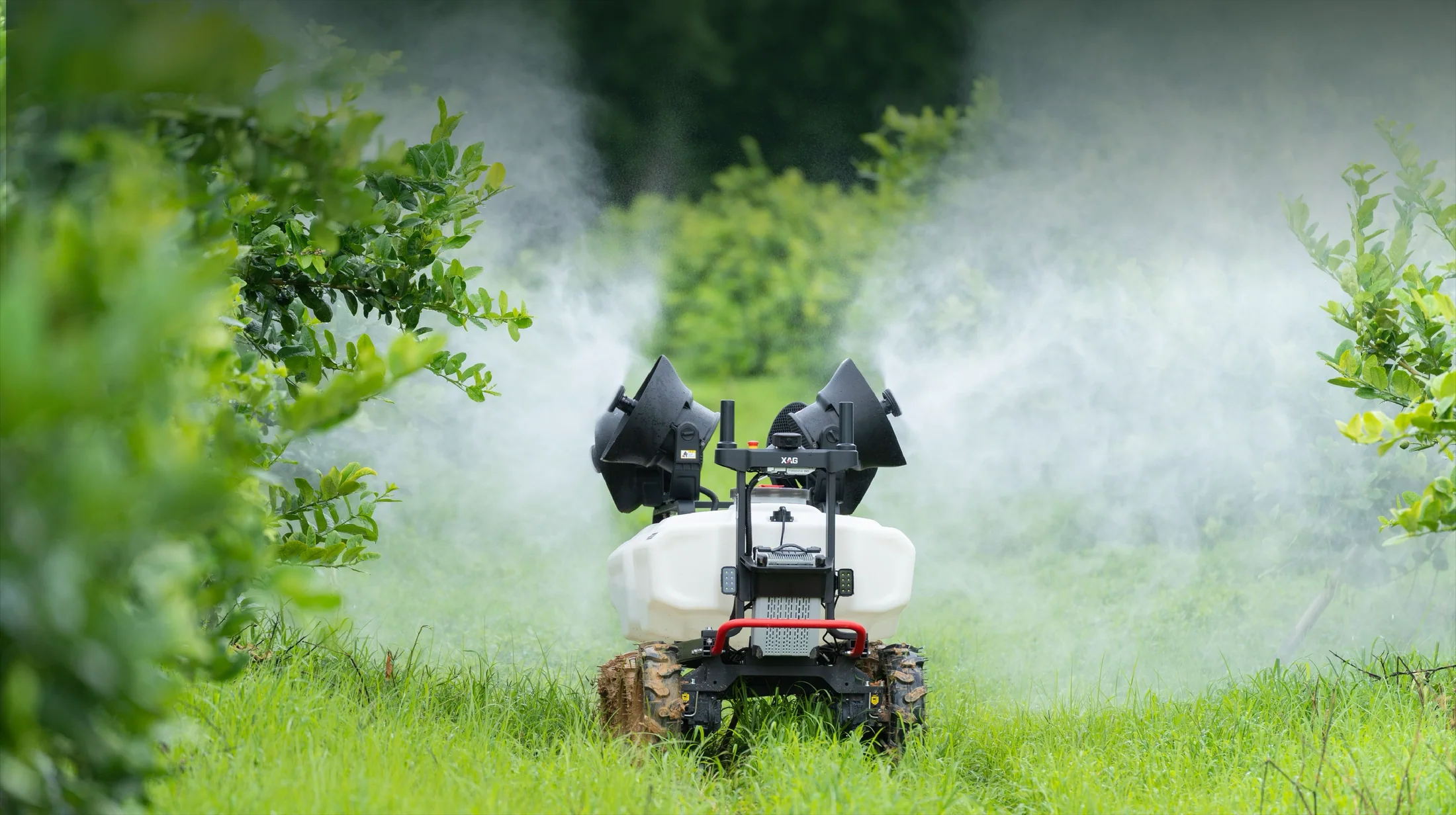
Four JetSprayers can be angled to direct airflow into the canopy and coat both sides of the leaf. Run symmetrical coverage or configure one side for a specific row.
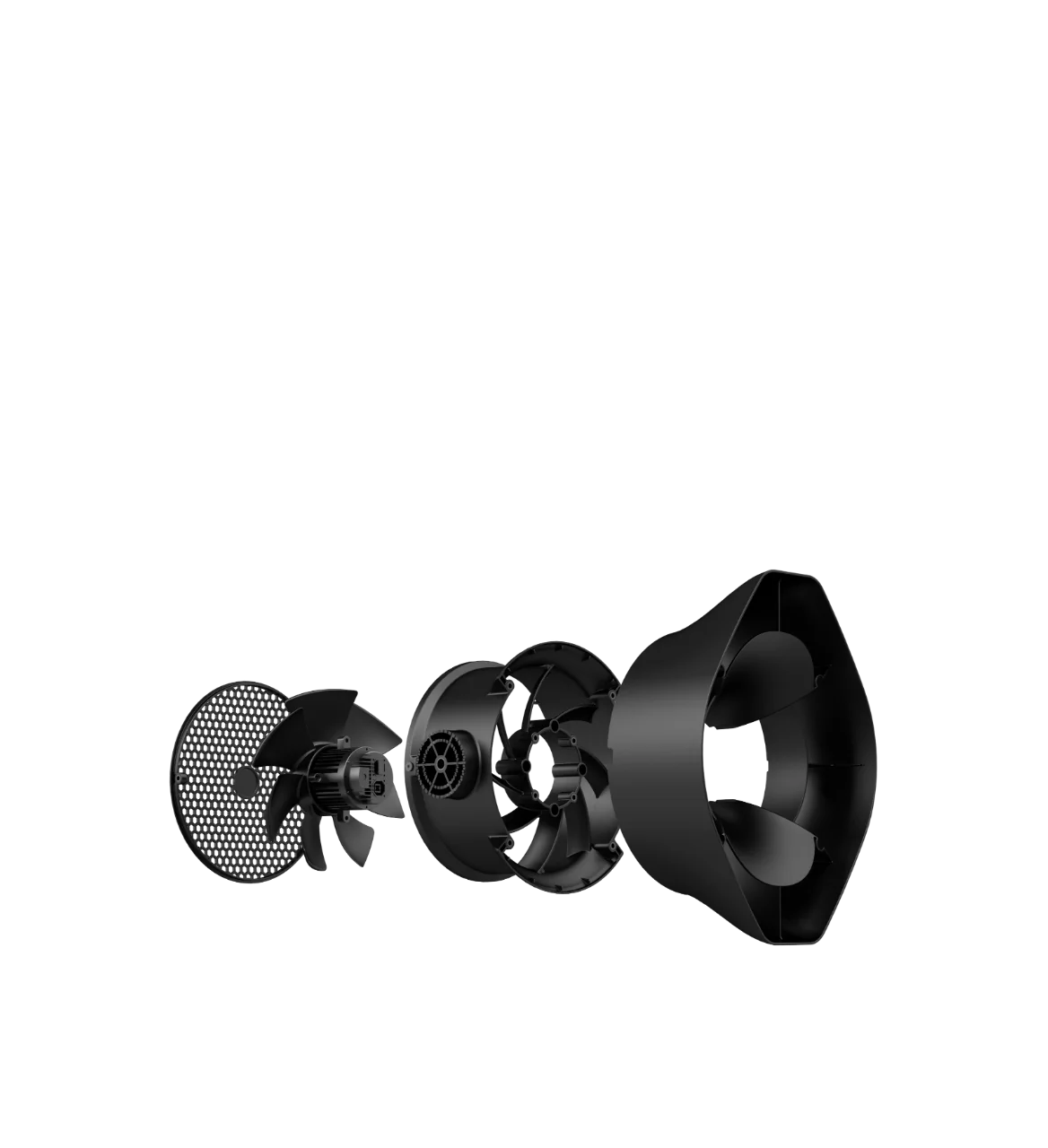
Directed airflow helps push fine droplets into dense canopies instead of leaving coverage on the outer leaf surface alone.
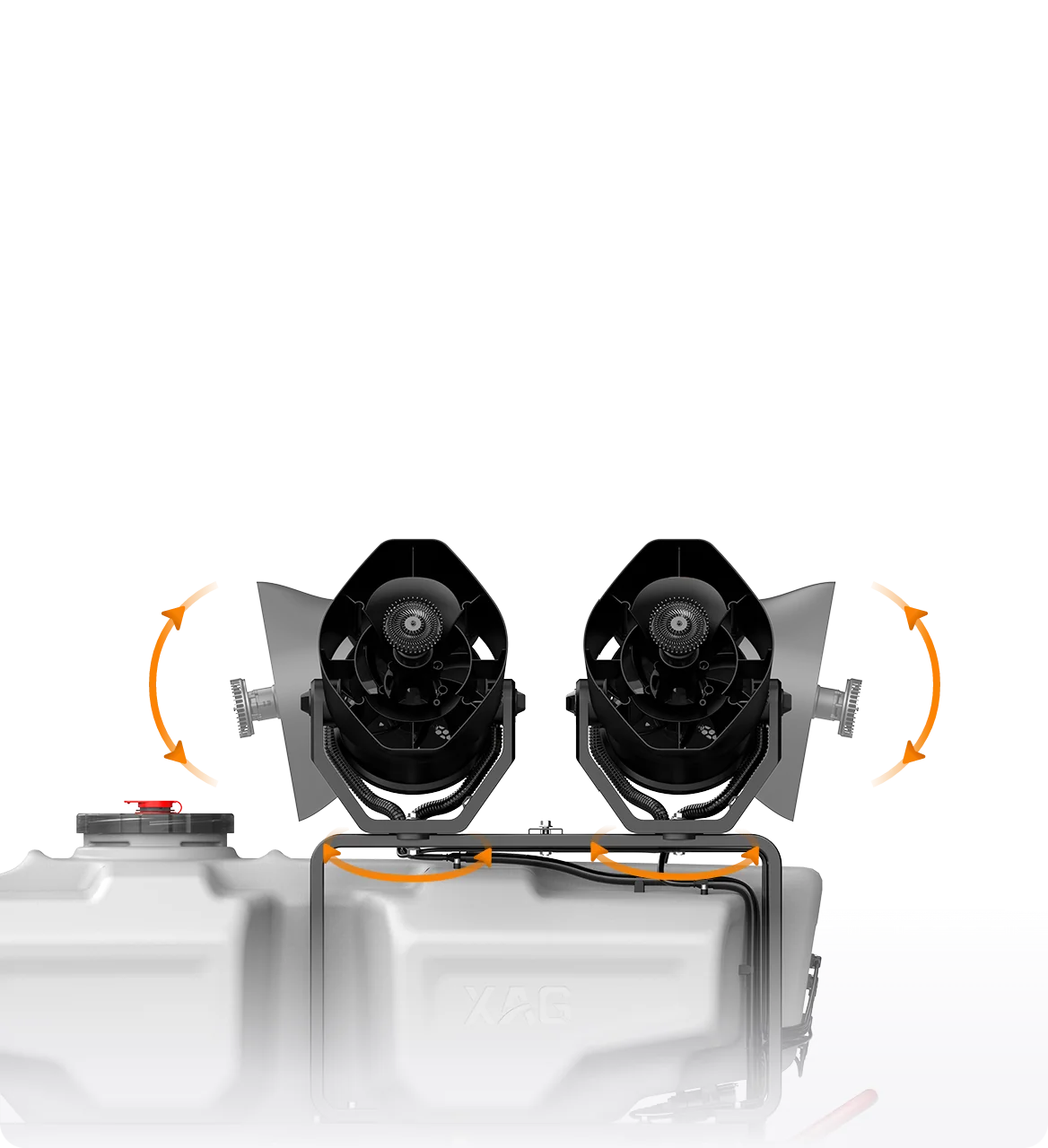
Horizontal and vertical gimbal range lets operators aim for the row geometry, canopy height, and one-sided or two-sided work.
Order a rover package now, then add the batteries, charging, cooling, and RTK positioning that match your block and turnaround.
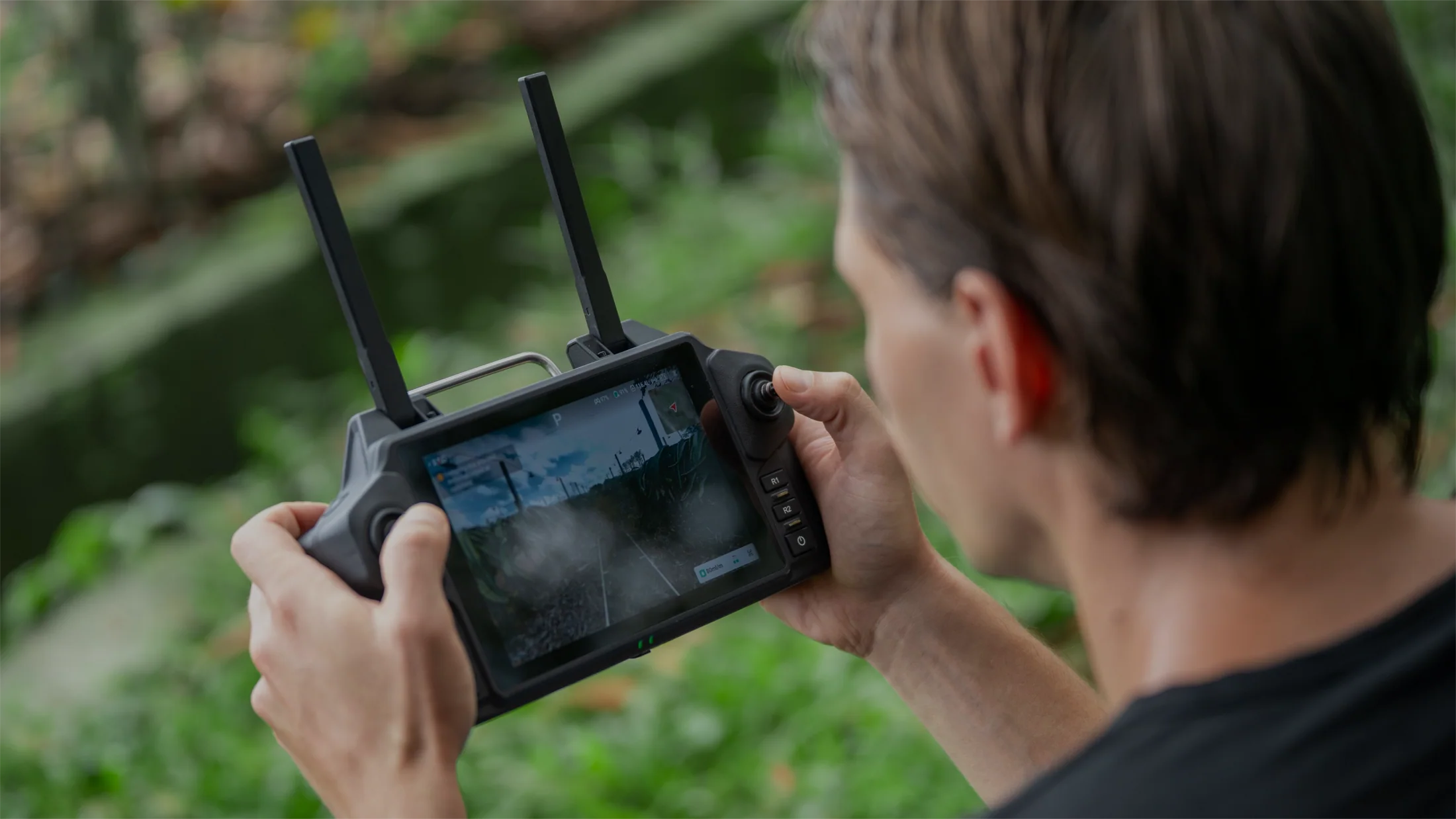
SRC 5 pairs a bright built-in screen with wide-angle FPV video, vehicle status, responsive controls, and XLink connectivity so the operator can work outside the immediate application zone.
 Responsive controls
 All-day battery
 XLink connectivity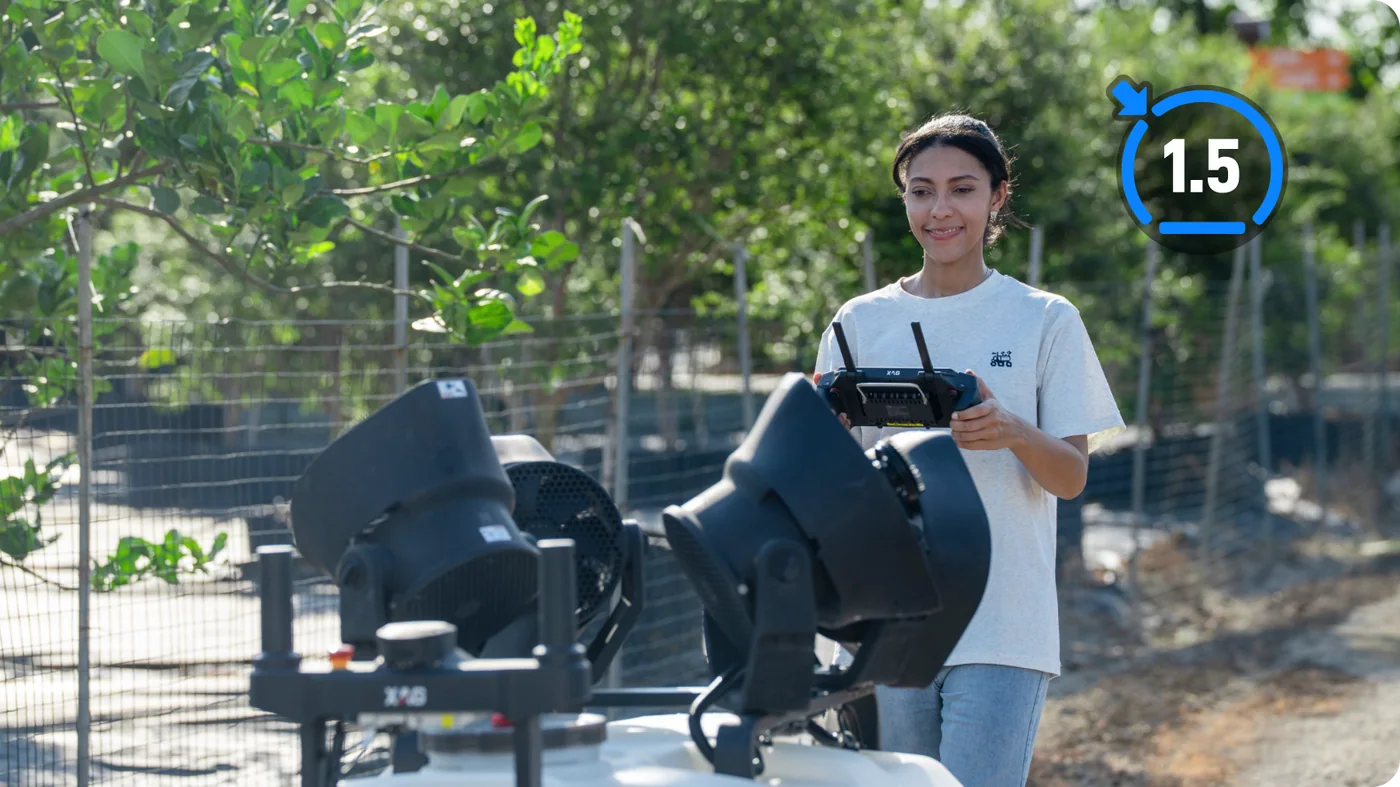
Set and maintain a pace from 0.1 to 1.5 m/s (0.3 to 4.9 ft/s) for steady movement and application.
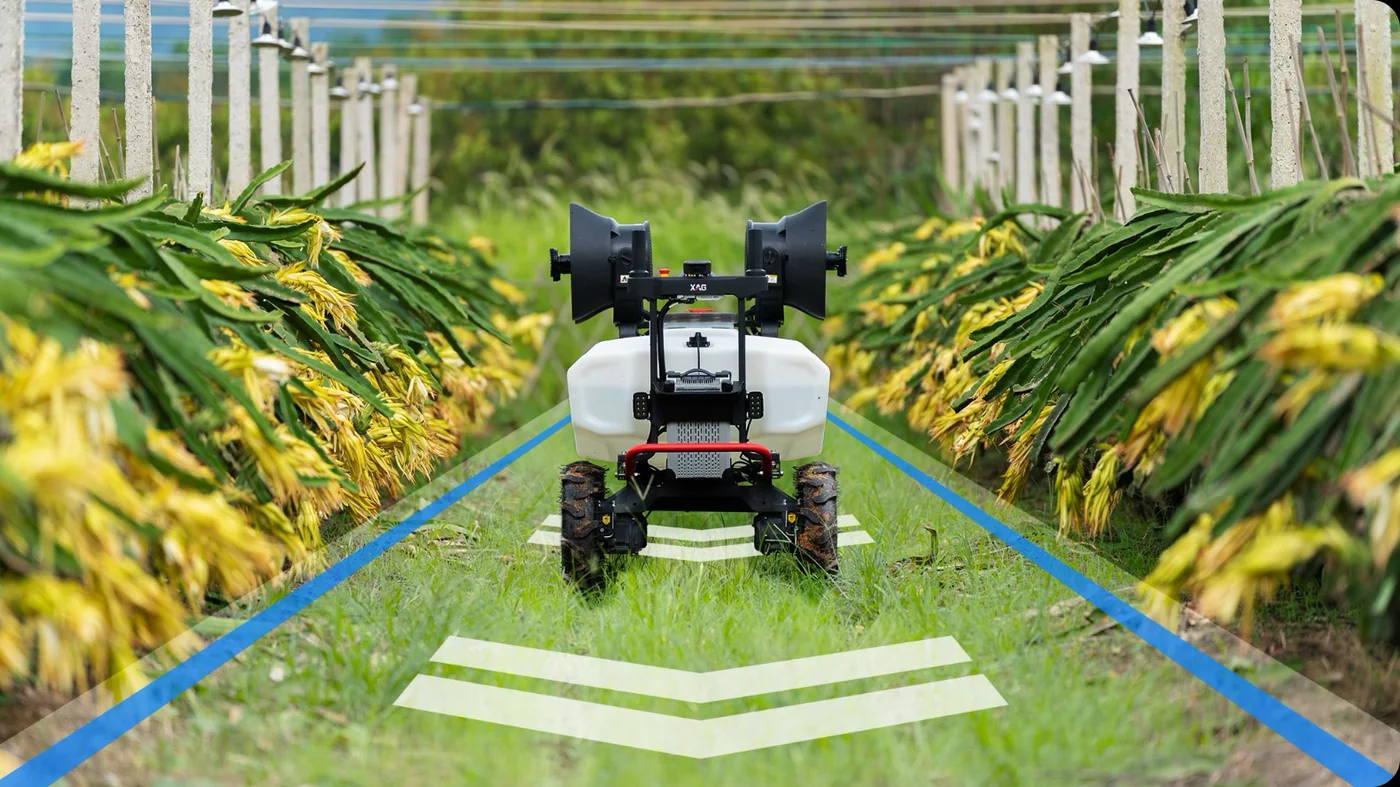
Vision algorithms detect drift from the intended line and correct the rover’s course in real time.
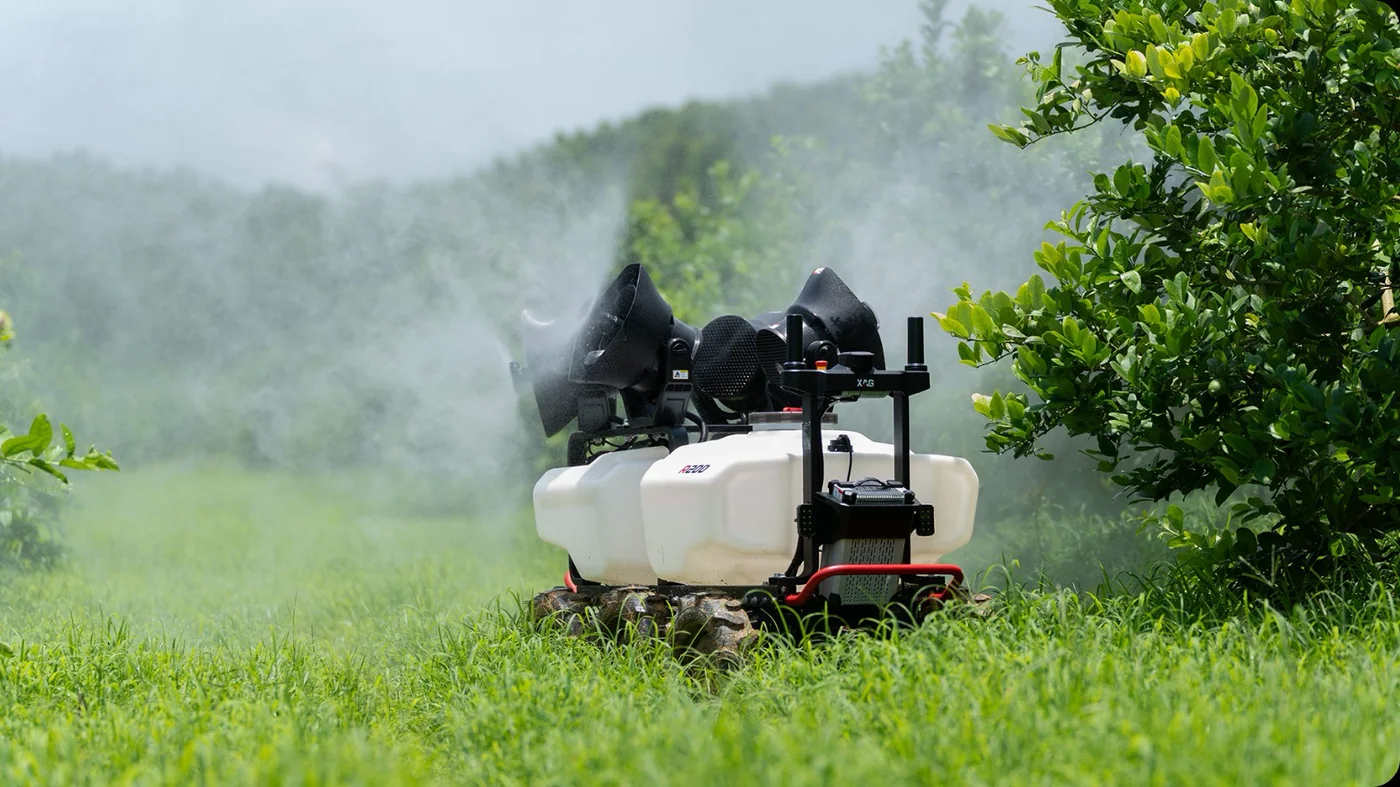
Flow responds to travel speed so the application rate remains consistent as the rover moves.
The Smart Remote Controller carries FPV video, vehicle status, and route control, so the operator can stay clear of the application zone.
SuperX 5 Ultra connects route memory, onboard mapping, positioning, and vehicle control. The result is a rover that can repeat work while the operator remains responsible for setup, supervision, and intervention.
Record the first manual run and save it as a memory path for autonomous repeats over the same block.
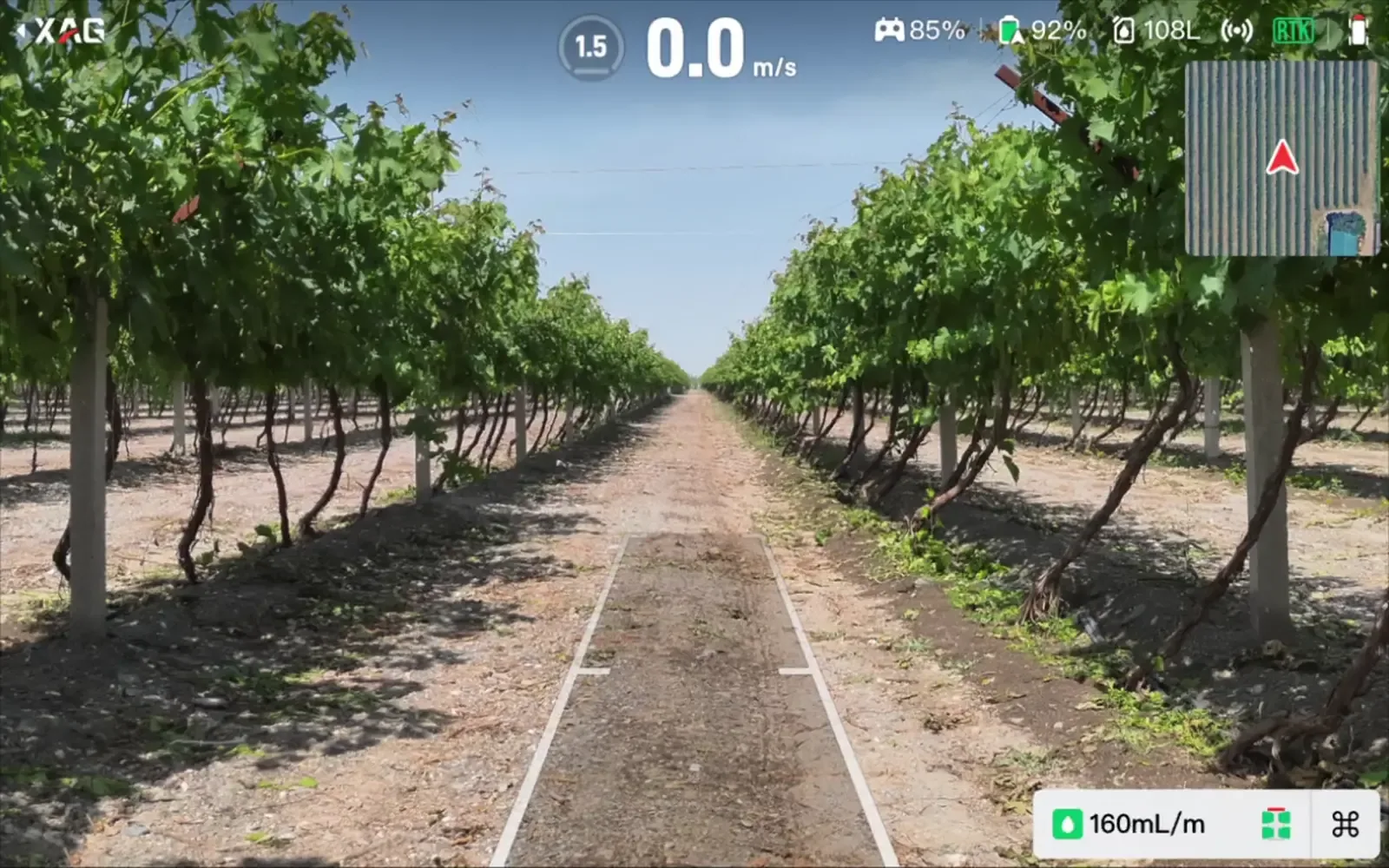

Capture a high-resolution bird’s-eye view during the first manual pass for route planning.

Cloud RTK and mobile RTK support precise positioning, including local operation without mobile service.

Pedestrian detection alerts at 4 m (13.1 ft) and stops the rover at 2 m (6.6 ft).

An onboard IMU monitors posture and adjusts travel on slopes and during sudden stops.
A local RTK source keeps mapped rows and planned passes repeatable, including blocks where cellular coverage drops out.
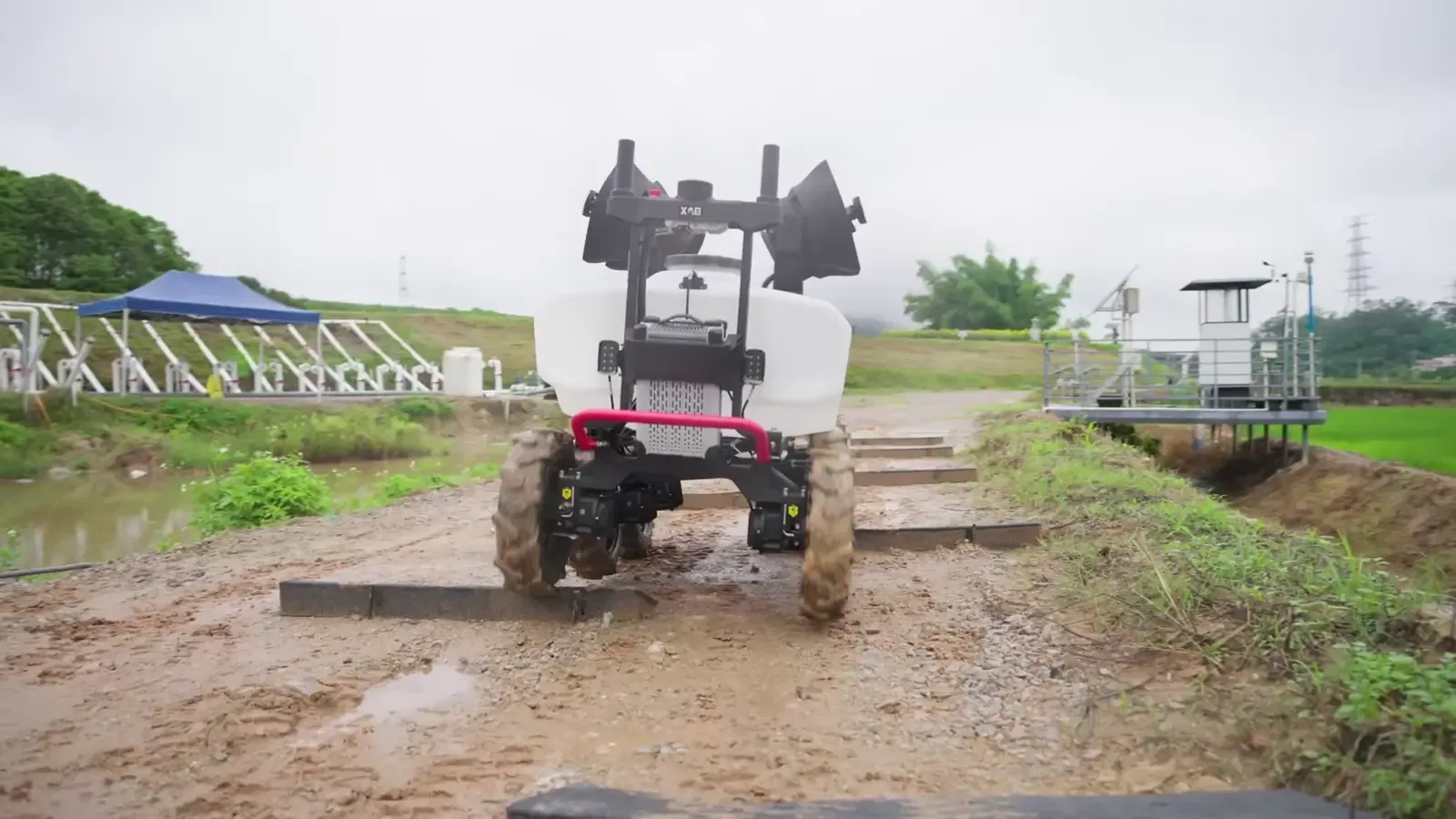
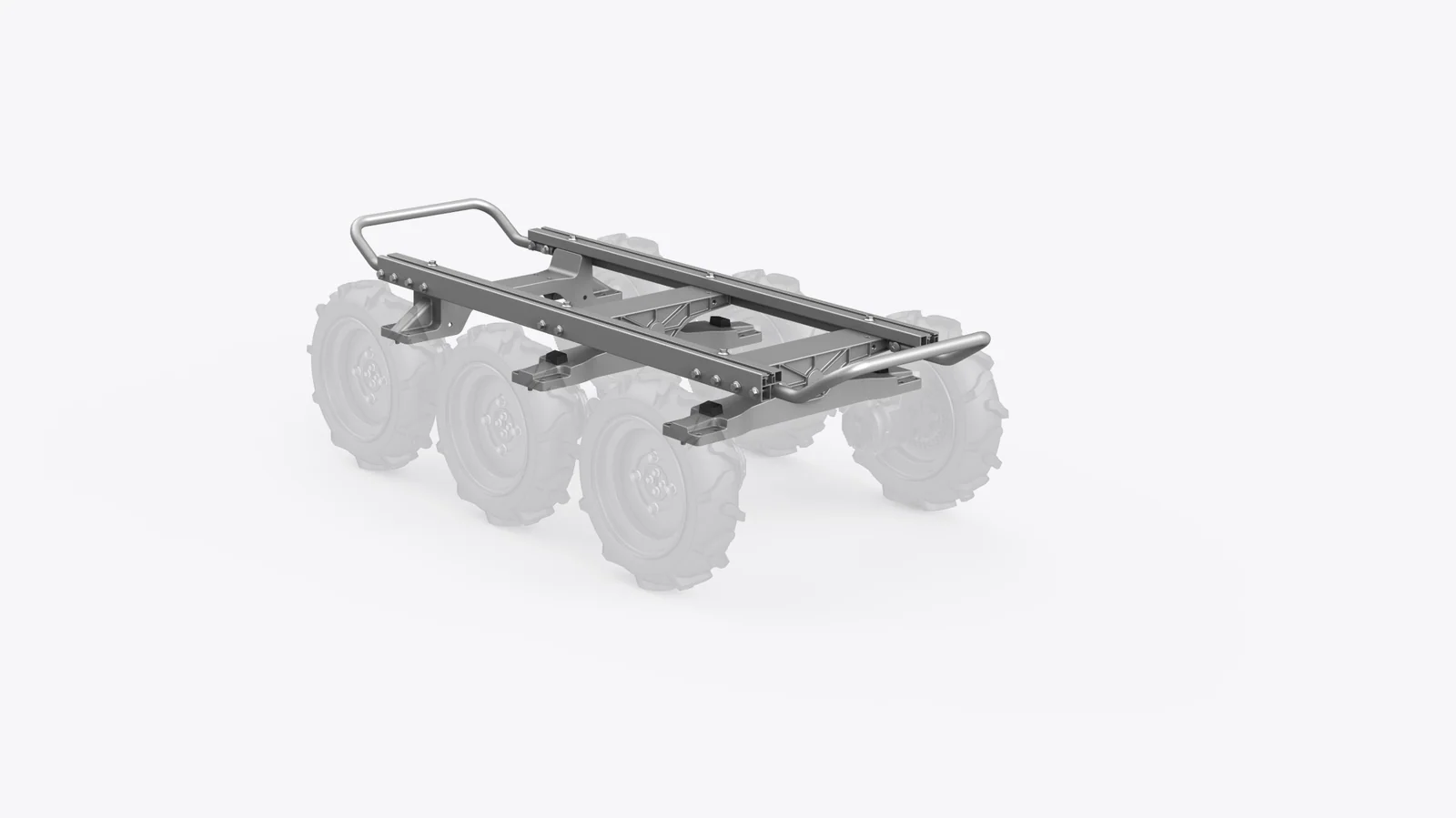
Cast for strength and consistent performance while keeping the structure comparatively light.
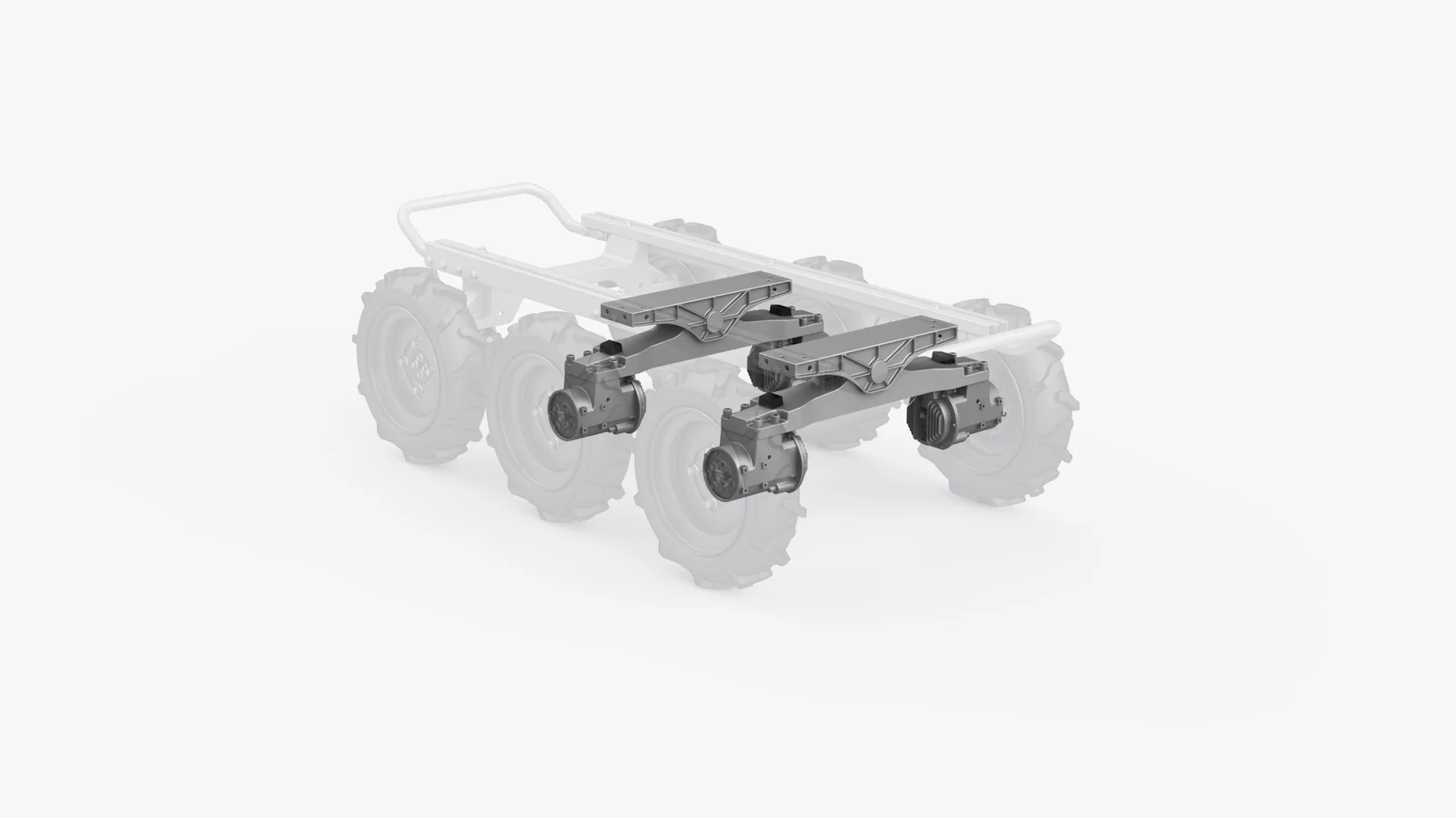
10.6 in (270 mm) of ground clearance limits scraping while suspension helps maintain even traction.
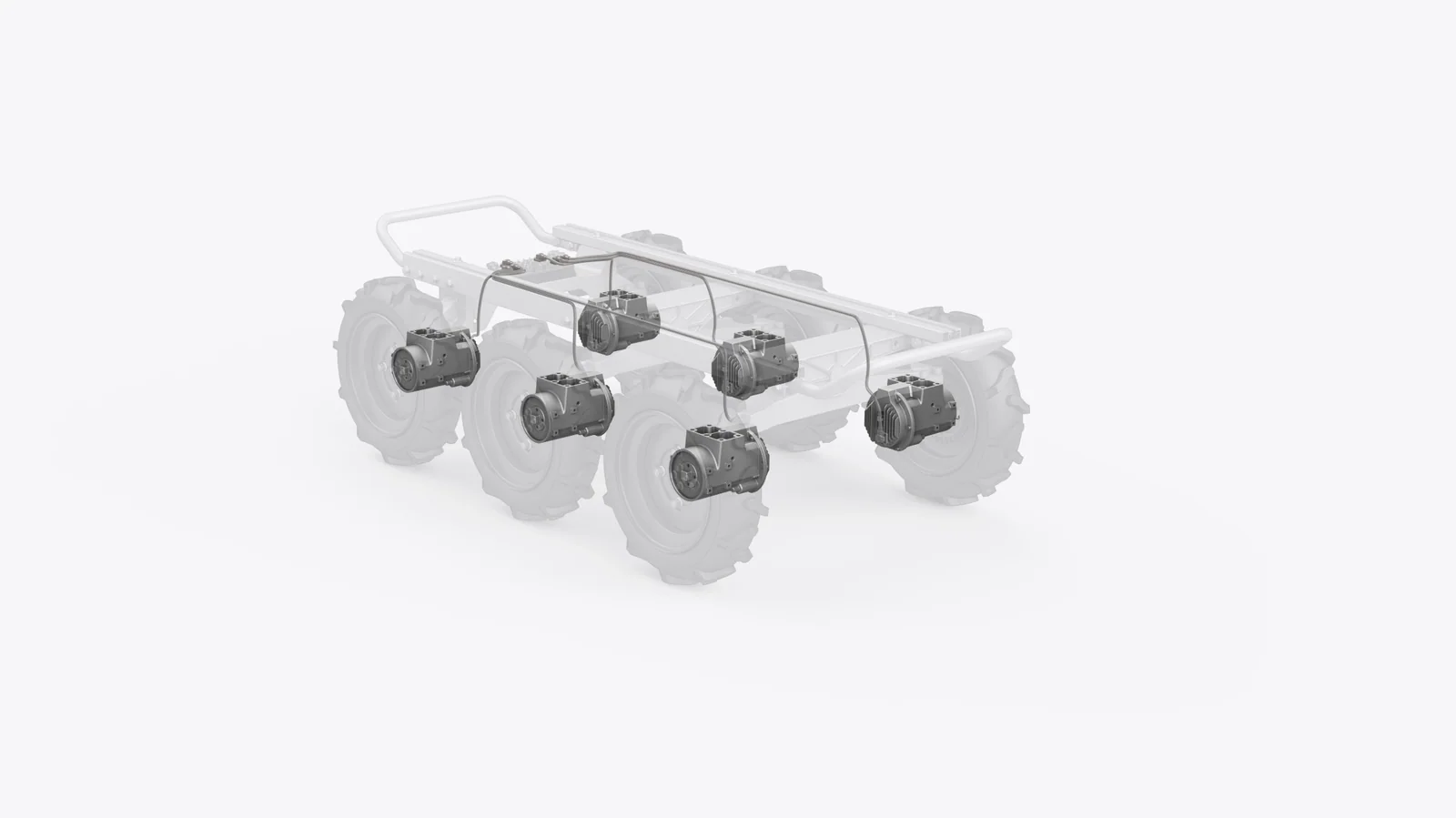
Six motors redistribute torque to regain traction and pull the rover through difficult spots.
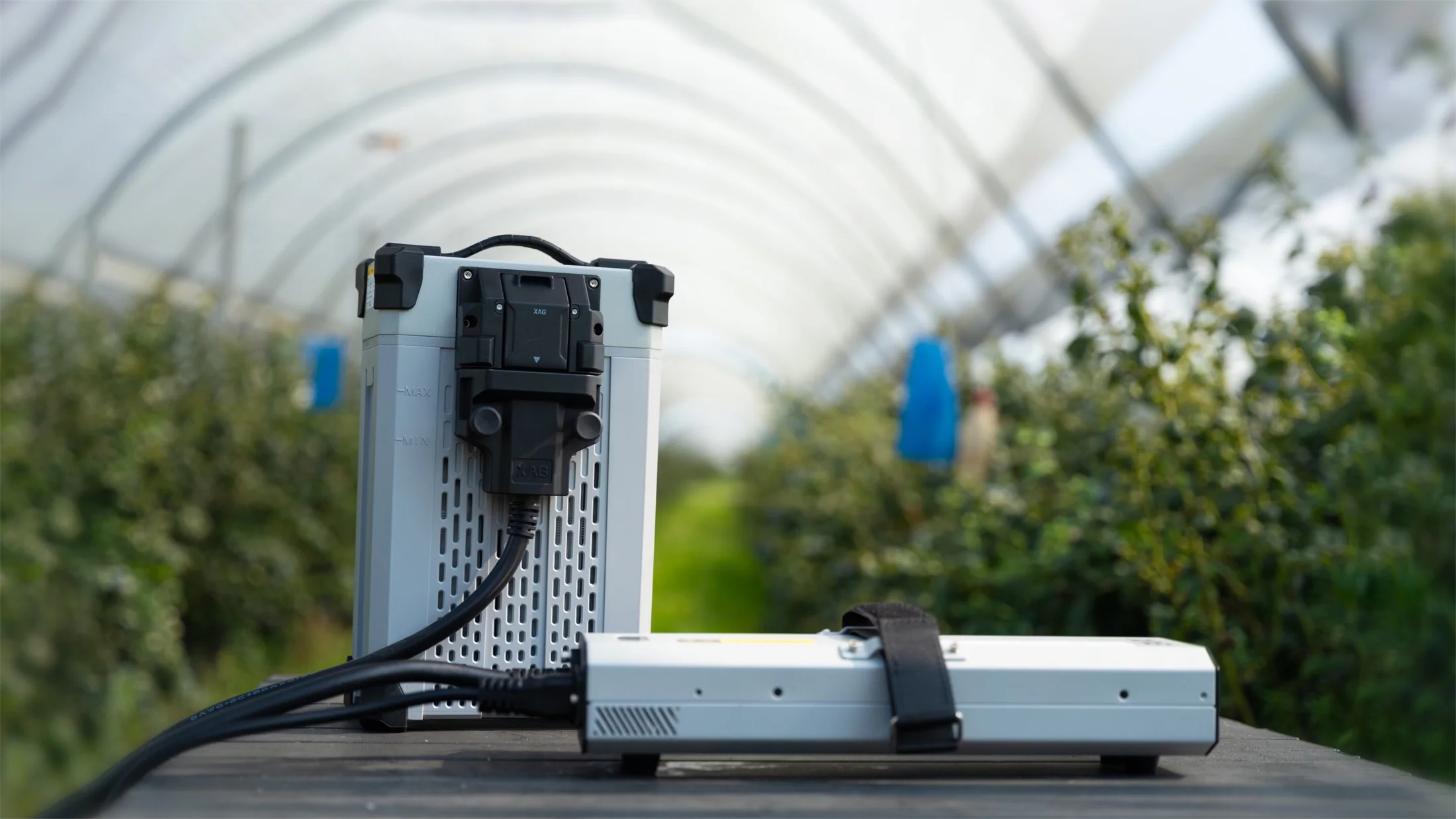
R200 uses the B141050 Smart SuperCharge battery already shared across XAG’s current platform family. Spraying endurance is 8 to 15 minutes. The CM13600S delivers 3.4 kW on 220–240 V, or 1.3 kW on ordinary 100–120 V Canadian service.
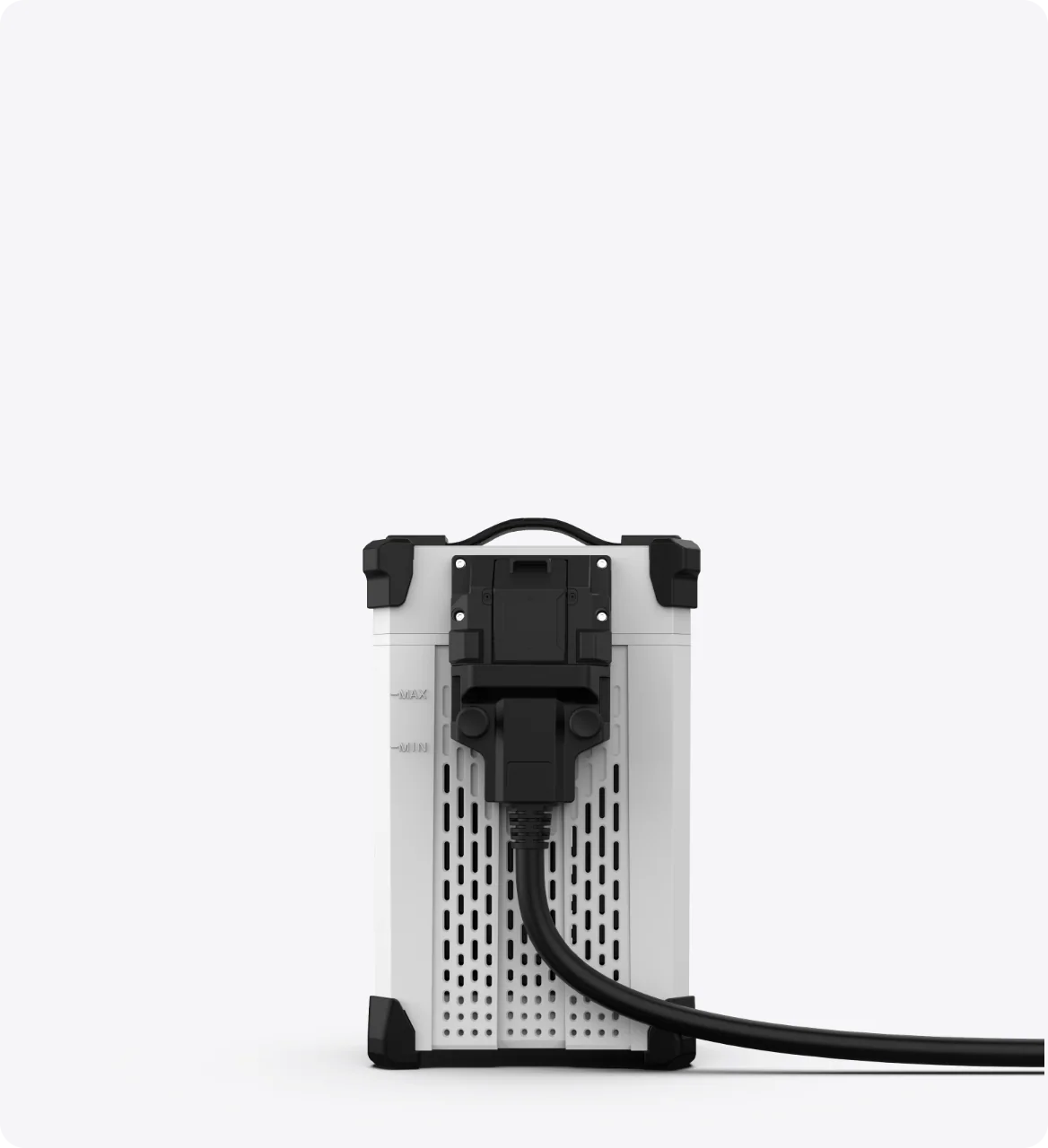
1,050 Wh capacity, intelligent battery management, and 8–15 minutes of spraying endurance.
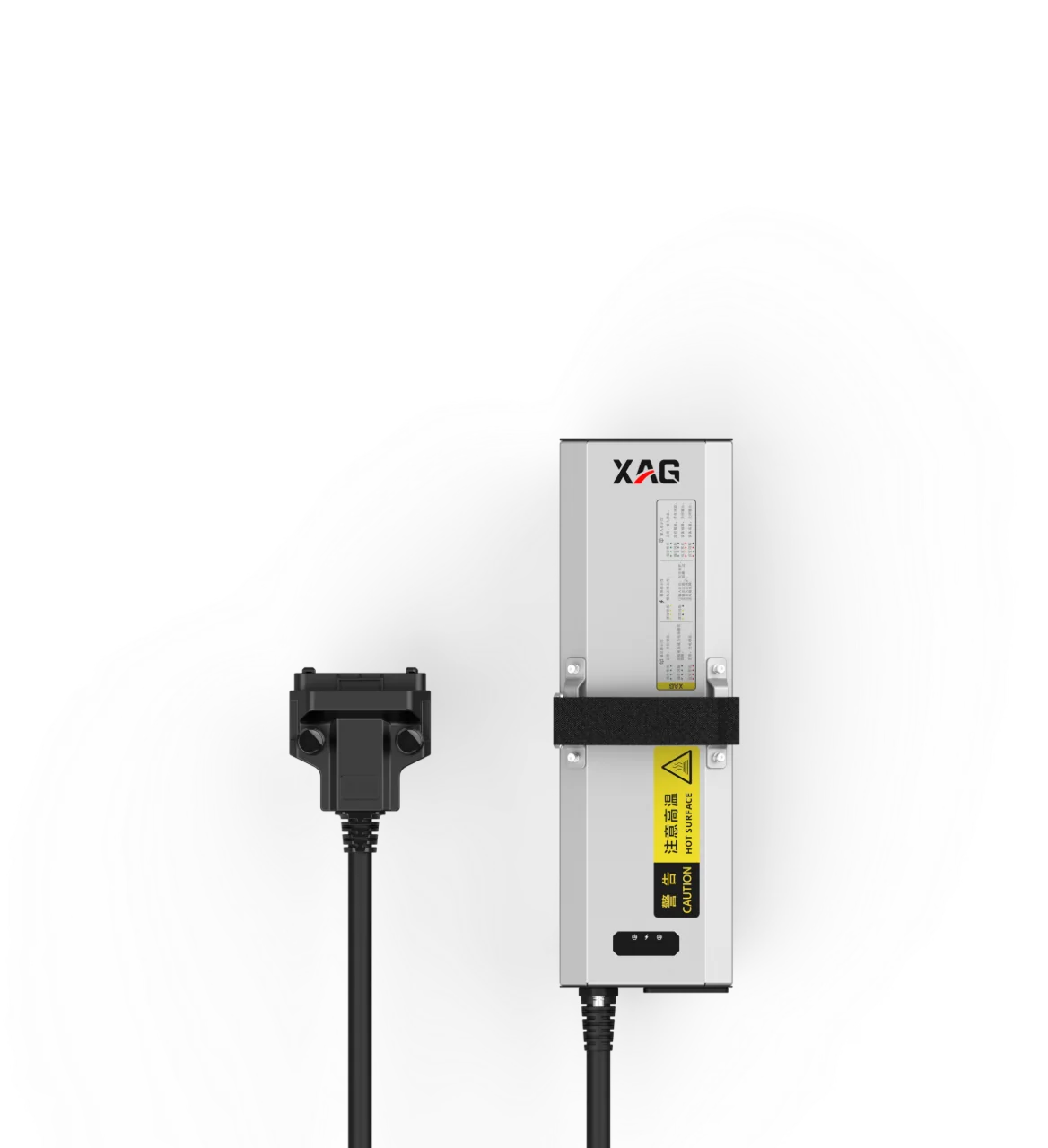
1.3 kW on 100–120 V, or 3.4 kW on 220–240 V. Canadian operations that need the fastest turnaround should plan a high-voltage circuit.
The rover is planned as a field-ready system, not a standalone machine. These system components cover power, charging, vehicle control, cooling, and local RTK positioning. Final package quantities and Canadian availability are confirmed with the selected R200 configuration.
Battery cooling
Pulls heat out of batteries between missions with an ultra-fine evaporative mist.
Keeps high-turnover battery cycles practical through a long field day.
Local RTK positioning
Creates a local correction source for repeatable rover positioning where cellular coverage is weak.
Centimetre-level route repeatability for mapped rows and planned passes.
Power
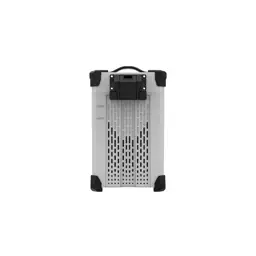
Runs the R200’s electric drive and application system with a shared XAG power platform.
1050 Wh capacity and intelligent battery management for fast field rotations.
Vehicle control
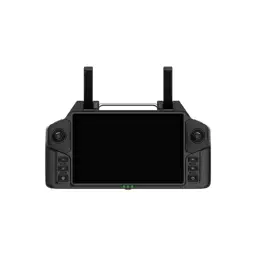
Gives the operator FPV view, vehicle status, route controls, and intervention capability.
A dedicated 7-inch field console that keeps the operator outside the application zone.
Charging
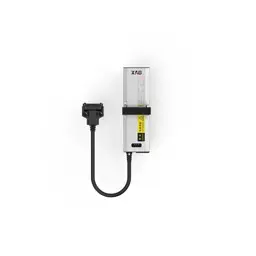
Recharges a B141050 Smart SuperCharge battery between R200 work cycles.
1.3 kW on 100–120 V, or up to 3.4 kW on 220–240 V.
Parallel charging
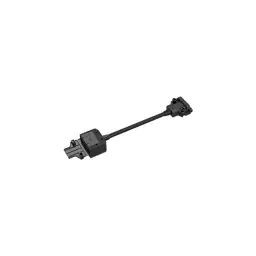
Combines two compatible charging modules into a higher-output charging station.
Supports a faster battery turnaround when the operation needs it.
North American power connection
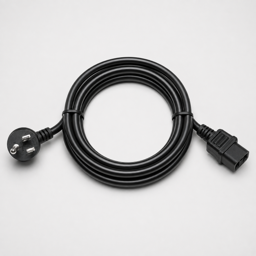
Connects the CM13600S charger to compatible Canadian and U.S. AC service.
Correct regional power connection for the charger setup.
Choose the Base Package or the Standard Combo, then adjust battery, charging, cooling, and positioning quantities to match the hours you need in the field.
Mist cooling and parallel charging shorten the wait between work cycles when the block has to be finished inside a narrow window.
XAG positions the R Series for orchards, vineyards, and greenhouses. R200 brings the larger tank, six-wheel traction, and four JetSprayers to wider rows and higher-volume crop-protection work.
Crop type alone does not determine fit. Row width, headlands, grade, soil, canopy, target, product label, and refill logistics must be checked against the actual block.
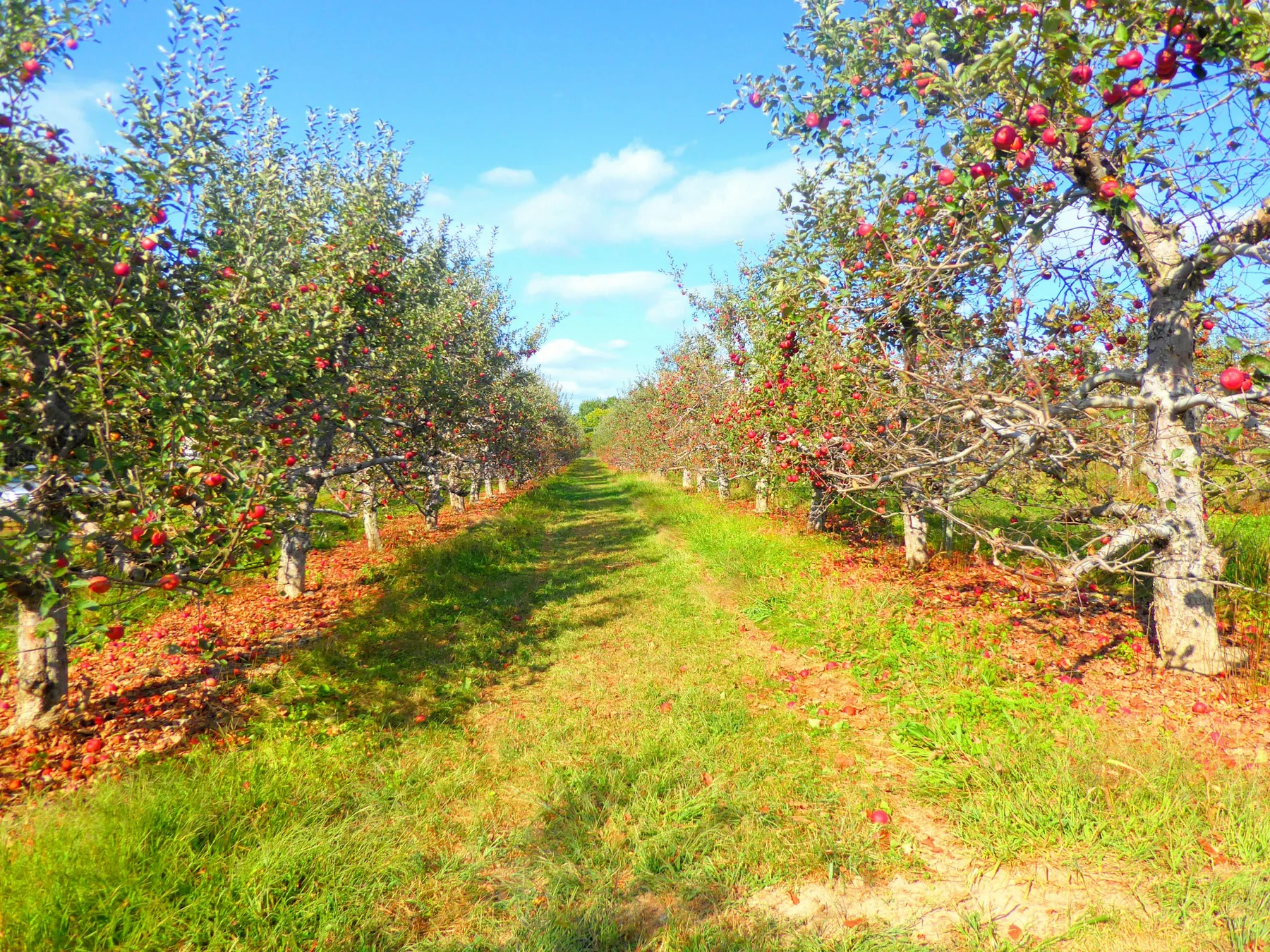
Apples · pears
High-volume, row-level canopy application

Nectarines · plums · cherries · peaches
Directed coverage through changing canopy density
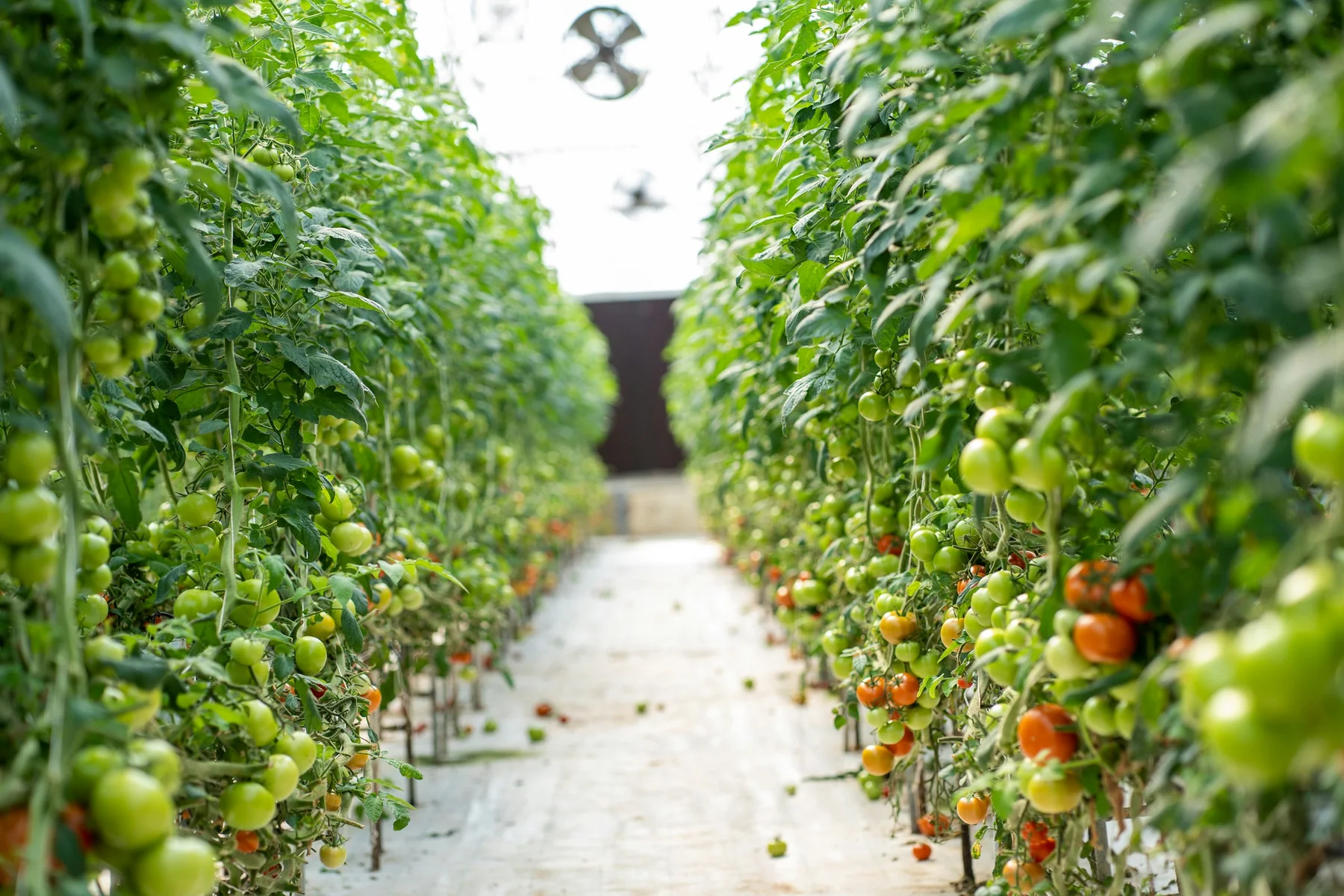
Tomatoes · peppers · cucumbers · berries
Compact electric access for protected-crop aisles
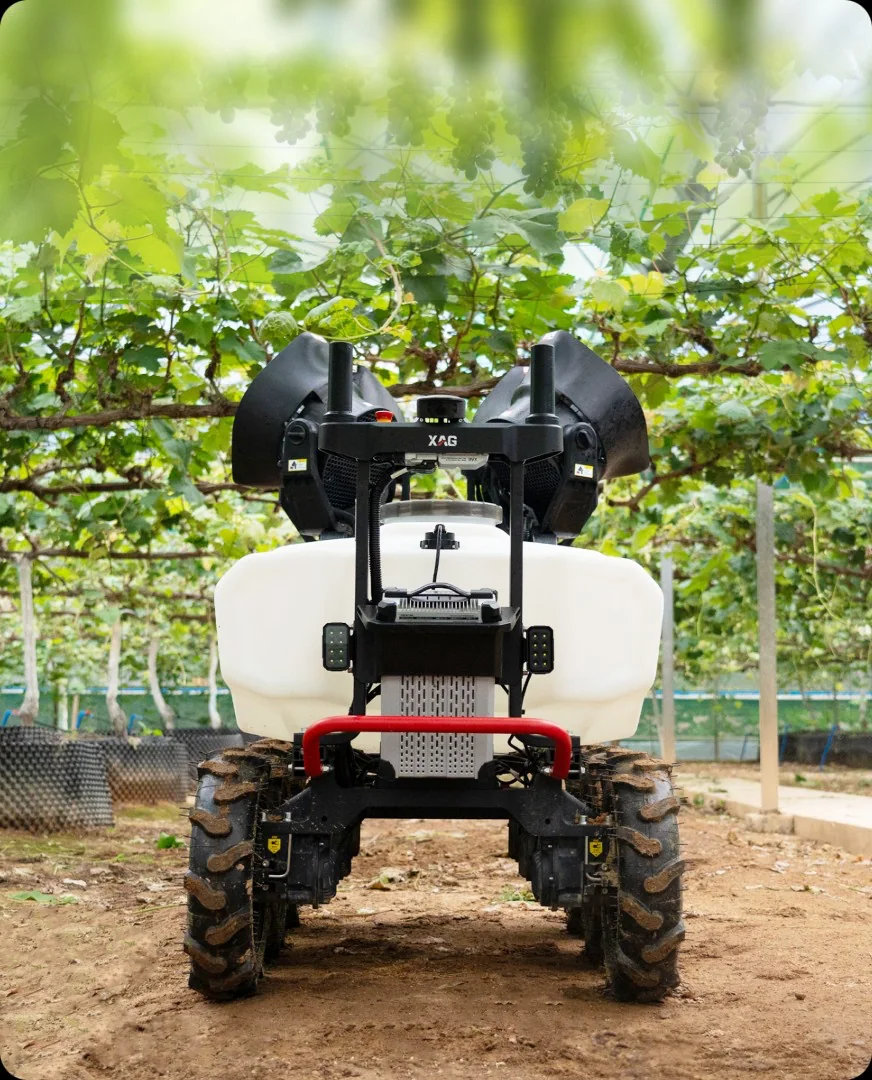
Wine · table · juice grapes
Repeatable passes along trained crop rows
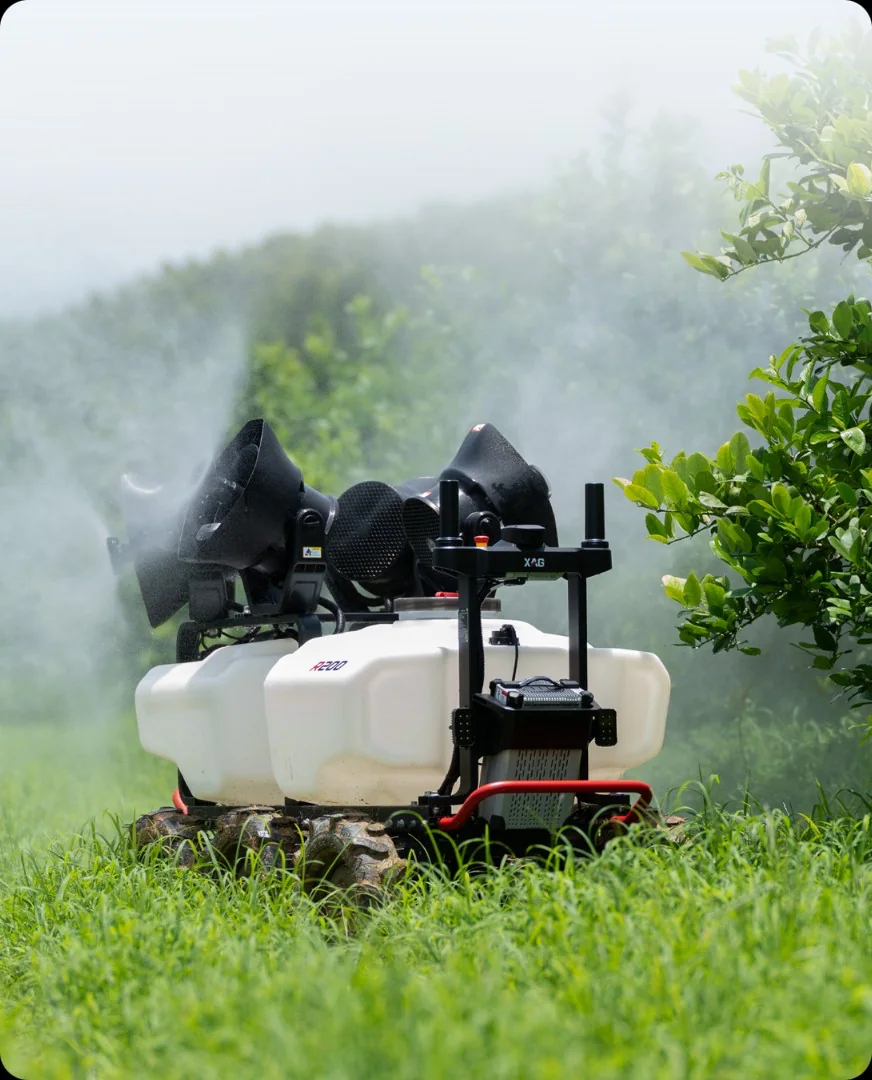
Lemons · oranges · mandarins
Air-assisted spray directed into dense foliage
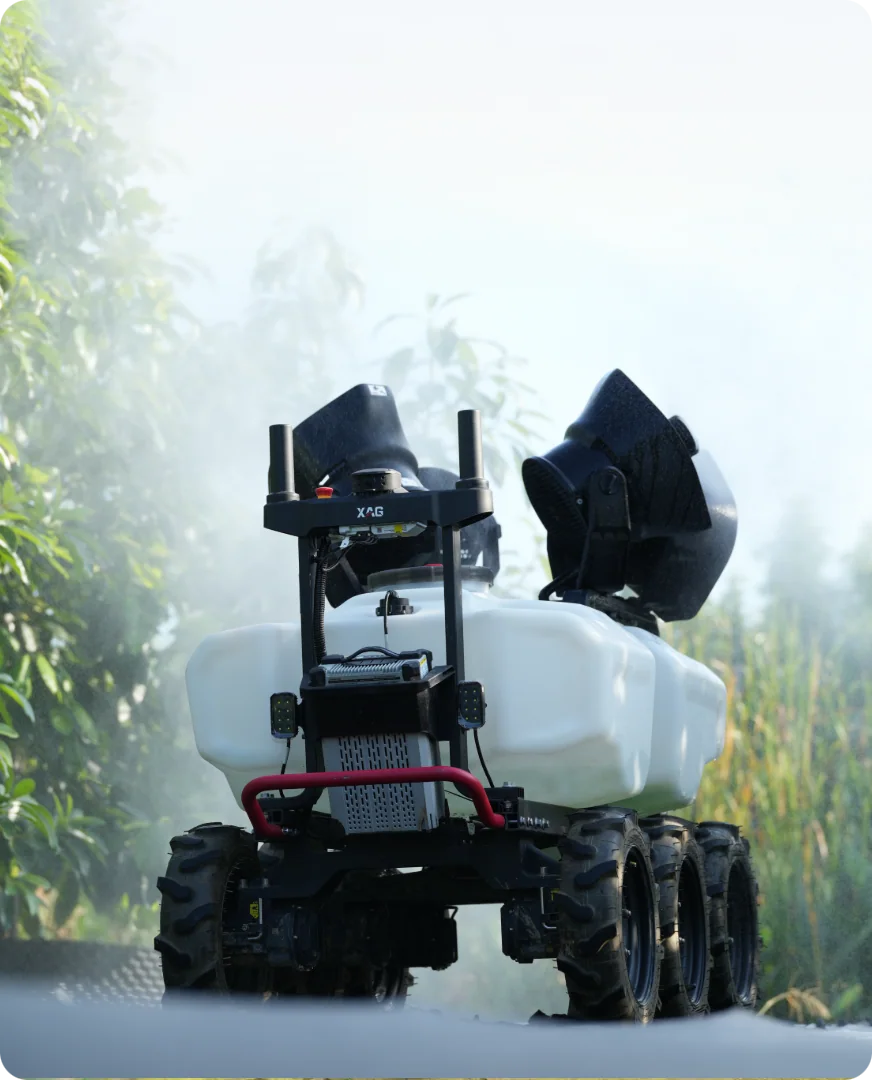
Avocado · mango · pomelo
Ground coverage that can complement upper-canopy work
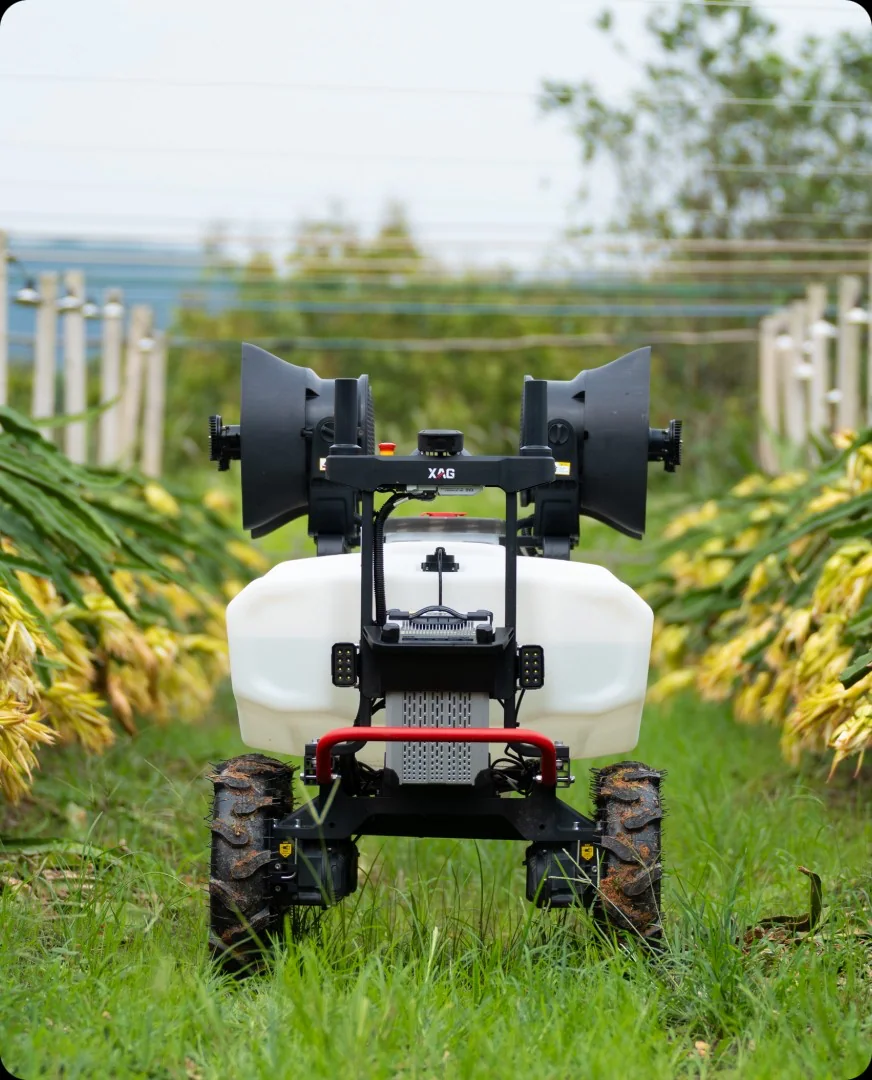
Dragon fruit · trellised crops
Configurable nozzle direction for crop geometry
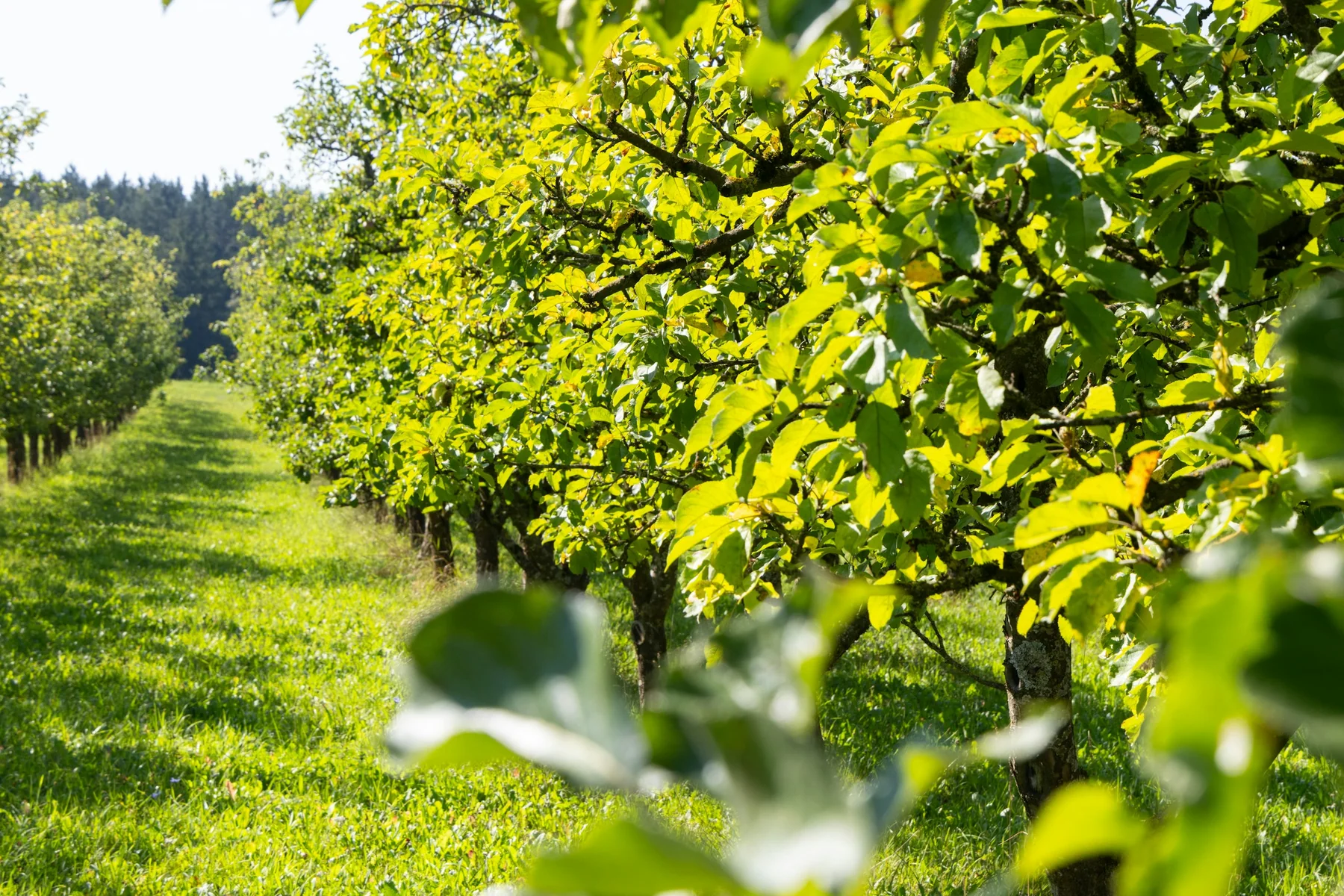
Tree lines · under-canopy strips
Low-directed, label-compliant ground application
Standard, elevated, and low-directed configurations solve different coverage problems. Every non-standard frame or nozzle layout is scoped as an engineered package and verified before chemical application.
Standard canopy
The RevoSpray configuration places four ducted-fan atomizers beside the crop row, with a 7 m (23 ft) swath per side and adjustable spray direction.
Custom high canopy
A project-specific aluminum frame raises nozzle outlets to 5 m (16.4 ft) above ground for tall orchard canopies while supporting even coverage. Each installation validates structure, stability, hose routing, flow, nozzle angle, and deposition in the actual block.
Orchard floor
Low-mounted or downward-directed nozzles can target vegetation beneath tree rows while keeping the crop canopy outside the intended spray zone. Product label, shielding, nozzle selection, buffer zones, and drift controls govern every setup.
Research on integrated air-ground orchard protection shows why the platforms can work as a system: ground sprayers concentrate on middle, lower, and inner canopy zones while aircraft can address suitable upper-canopy work.
The label decides the application method. Health Canada states that when a product label says “DO NOT apply by air” or does not include aerial application, it cannot be applied by drone. A ground-based rover may be an option only when the same label permits the crop, pest, rate, ground equipment, spray volume, buffers, and other proposed conditions. Ground use is never automatic.
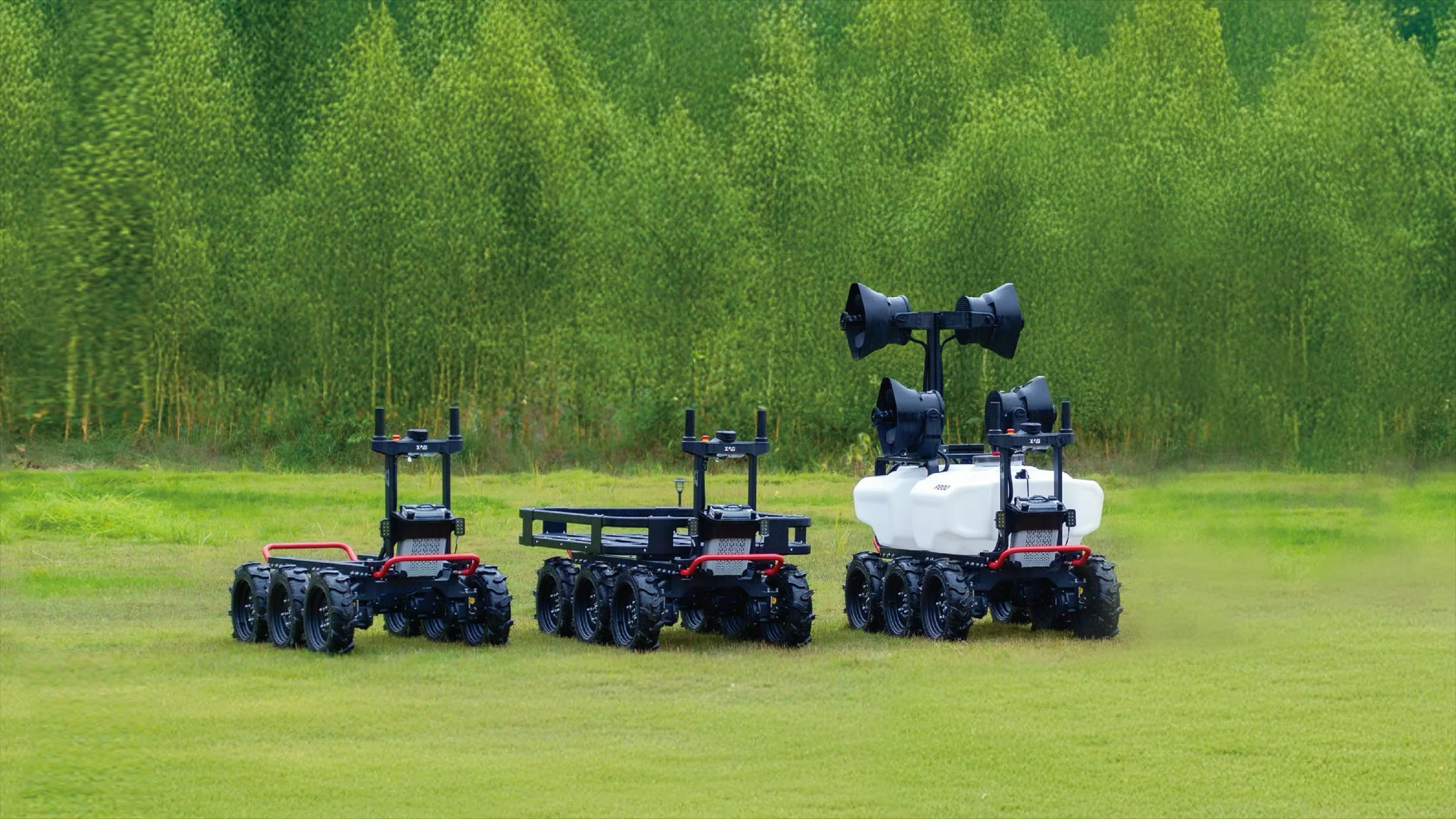
XAG presents the R200 as an expandable base for custom weeding, transport, and other task-specific modules. SkyFlow can scope elevated aluminum spray frames, low-directed orchard-floor nozzles, shielding, hose management, and supporting controls as a complete configuration.
Custom modules are not standard factory specifications. Payload, centre of gravity, clearance, route safety, chemical compatibility, and current Canadian availability require project review.
Order an R200 packageBring your row geometry, terrain, canopy, application target, and turnaround requirements. SkyFlow will map the R200, power, positioning, and support package around the work.
Official XAG R200 values, with imperial and metric shown together where useful. Confirm the Canadian power circuit, package, and configuration before purchase.
Source: xa.com/en/r200/r200specs. Maximums and endurance depend on environment, load, settings, battery condition, operating method, and maintenance. The CM13600S does not deliver 3.4 kW on ordinary 120 V Canadian service.
Both are 80 cm (31.5 in) wide. The R200 adds a 240 L (63.4 US gal) tank, independent six-wheel drive, four pumps, and four JetSprayers for higher-capacity work. The R100 uses a 120 L (31.7 US gal) tank, four-wheel drive, and two JetSprayers for tighter or lower-volume operations.
XAG describes path planning, repeat mode, onboard mapping, RTK positioning, path tracking, and safety assistance. These features do not remove the need for route validation, exclusion planning, active supervision, and an intervention procedure.
The R200 delivers 8–15 minutes of spraying operation per B141050 battery.
The platform is presented as expandable for task-specific add-ons. SkyFlow must confirm the selected module, integration, payload, controls, safety requirements, and current Canadian availability before quoting.
These tree-fruit rows are potential R200 applications when vehicle access, headlands, slope, canopy geometry, application volume, nozzle direction, and the product label all fit. SkyFlow validates the block and spray configuration rather than treating crop name alone as approval.
The onboard RevoSpray system reaches a maximum spray height of 1.5 m (4.9 ft). SkyFlow’s custom aluminum frame can elevate nozzle outlets to 5 m (16.4 ft) above ground and is configured for even canopy coverage. This engineered configuration requires structural, stability, hydraulic, drift, and water-sensitive-paper coverage validation.
Potentially, when the Canadian product label permits the intended crop, pest, rate, and ground-application method. If a label says “DO NOT apply by air” or does not include aerial application, a drone cannot be used; that does not automatically authorize the rover. The complete ground-use directions still have to permit the proposed application.
No. It can complement a drone: the rover can work from within rows, direct spray into middle and lower canopy zones, and support label-permitted ground applications, while an aircraft may suit accessible aerial-labelled work and upper-canopy coverage. The best program may use either platform or both, based on the label and field conditions.
Yes. Planning can cover the rover, spray system, controller, positioning, batteries, charger, transport, application workflow, spares, onboarding, and a comparison with aerial or compact rover alternatives.
Need a smaller ground platform? Compare the 120 L (31.7 US gal), four-wheel-drive R100.
Explore R100Dealer opportunities across Canada
Join the Canadian XAG dealer network with local inventory, parts, repair, warranty, training and marketing support from SkyFlow Robotics.
Verify SkyFlow in XAG’s official directory