Variable rate application that turns scouting data into action, not just maps
Variable rate application works when you connect three things cleanly: accurate scouting, a usable prescription layer, and an application platform that can change output by zone. The goal is not uniform coverage. The goal is to place the right rate on the right acres and stop overspending where the crop or weed pressure does not justify it.
Recommended variable-rate system
The strongest VRA workflow starts with the scouting platform near the front of the page because the whole system depends on it. First capture variability with the Mavic 3M, then convert it into a prescription, and finally execute that plan with an Agras platform sized to your acreage and operating model.
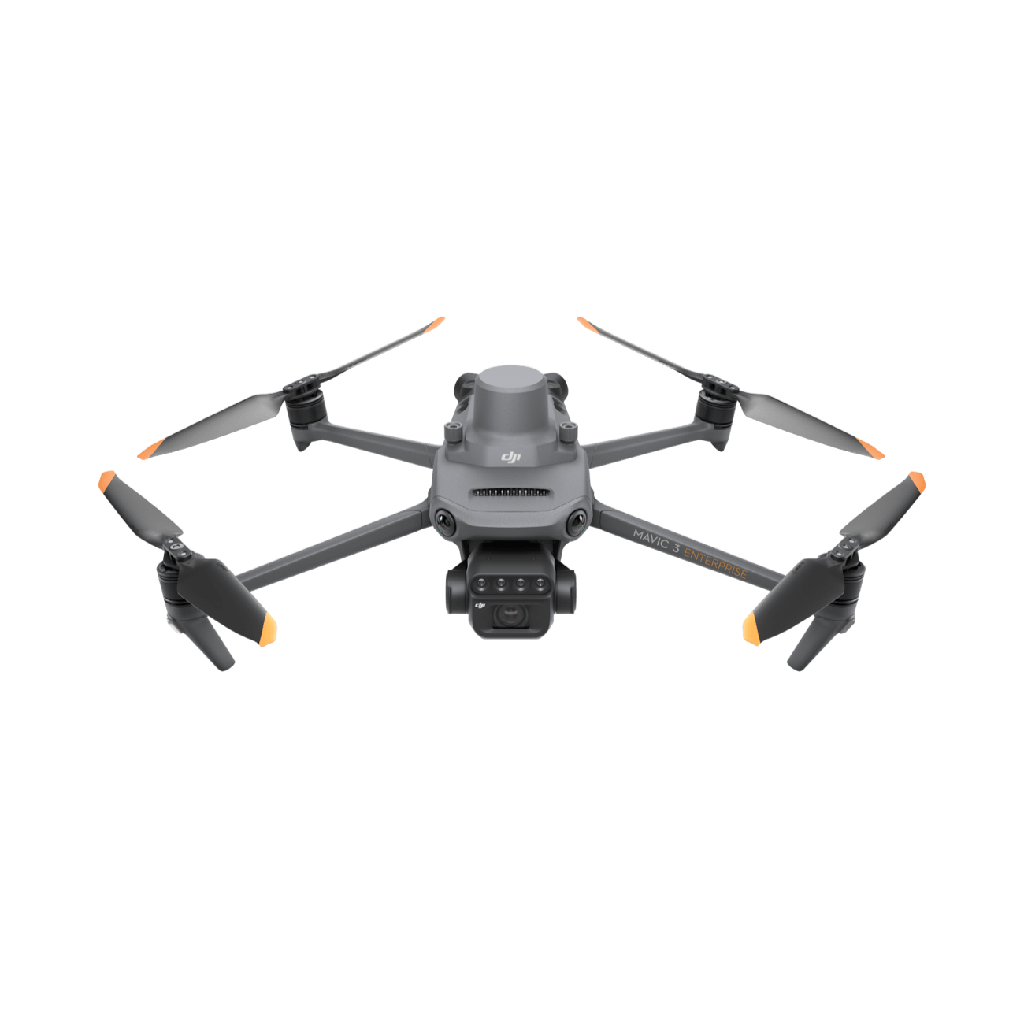
DJI Mavic 3 Multispectral (M3M)
Captures RGB and multispectral field data so you can identify crop variability, weed pressure, vigor differences, and stress zones before building a treatment plan.

DJI Agras T100
Built for larger-acre prescription missions where operators want high throughput, autonomous coverage, and zone-based application with less time lost between fills.

Prescription maps from real field variability
Use multispectral scouting to divide the field into management zones so rates follow crop condition instead of guessing from field averages.
Apply more only where response is likely
Direct higher rates to the acres that need intervention and lower rates where the crop is already strong or pressure is limited.
Protect margin, not just yield
The economic case is usually lower wasted input, fewer unnecessary passes, and better prioritization of expensive chemistry or nutrition.
Close the loop with a re-fly
Revisit treated zones after the mission so the team can confirm whether the prescription corrected the problem or needs another pass.
What a good VRA mission should answer
Variable rate application is useful when it improves a real management decision, not when it adds complexity for no field advantage.
Which zones are underperforming enough to justify additional nutrition, chemistry, or a different spray rate?
Where is pressure low enough that a blanket rate would waste input with little agronomic return?
Which index or layer best reflects this crop stage: broad NDVI, deeper-canopy NDRE, or a weed-specific scouting layer?
Can the team move from scouting to prescription fast enough that the treatment still matches the crop condition on the ground?
Operational workflow
The best-performing VRA programs follow a tight loop: map, classify, prescribe, apply, and verify.
- 1
Scout the field with a clear agronomic question
Fly the Mavic 3M to identify weed patches, vigor gaps, nutrient variability, or crop growth differences that justify rate changes.
- 2
Build a usable prescription layer
Process NDVI, NDRE, or task-map outputs in DJI SmartFarm or a compatible platform, then convert those zones into application logic instead of simple color maps.
- 3
Match the mission to the application platform
Choose the Agras platform and tanking strategy based on field size, refill cadence, product volume, and how precise or aggressive the treatment needs to be.
- 4
Execute the zone-based mission
Upload the prescription and let the aircraft adjust output by zone so stronger acres, weaker acres, and low-pressure acres are not all treated identically.
- 5
Re-fly and confirm response
A follow-up scouting pass helps determine whether the prescription corrected the problem, whether the issue spread, or whether a second intervention is justified.
Where variable rate application creates real value
VRA pays off when the field is uneven enough that a single rate guarantees wasted product somewhere in the operation.
Weed patch treatment
Map escapes and low-pressure areas separately so herbicide is concentrated where it matters instead of sprayed uniformly across the field.
In-season fertility correction
Use vigor and crop-response layers to identify where extra nitrogen or nutrition may return value and where more input is unlikely to pay.
Growth regulation and canopy control
Apply more precisely where vegetative growth is excessive and lower rates where the crop is already balanced, reducing unnecessary chemistry use.
Service-provider efficiency
For custom operators, prescriptions help justify the mission with clearer economics, more targeted treatment, and easier post-flight reporting.
Application examples from the field
DJI documented a winter onion task-map workflow where only a small portion of the field required treatment, cutting crop protection usage by 96.5% compared with spraying the full block.
DJI reported a cotton variable-rate application case where zone-based mepiquat chloride application reduced chemical usage by 30% while improving yield by roughly 450 kg per hectare.
Extension and on-farm references show drone-guided site-specific nitrogen management can improve nitrogen use efficiency by directing product to the acres most likely to respond.
What your team should receive after a VRA mission
A clean orthomosaic plus the health or weed layer used to classify management zones.
A prescription file that reflects actual agronomic logic rather than arbitrary color breaks.
A clear explanation of where rates increased, where rates decreased, and why.
A repeatable follow-up plan to confirm whether the application delivered the intended result.
Research base
This page combines official DJI workflow material with extension and on-farm references so the VRA process reflects how prescription mapping is used in real operations.