The safest destination recommendation is a region to scout—not a viral coordinate. Productive Canadian drone trips are built around lawful rural or community locations with explicit property access, checked airspace, gentle weather, and a ground-camera fallback when the launch does not work.
How to use this scouting list.
Pick a region for its visual ingredients, then locate a lawful launch by checking the exact property, airspace, authority, conditions, and mission. The names below describe travel regions; none is represented as a blanket-approved drone site.
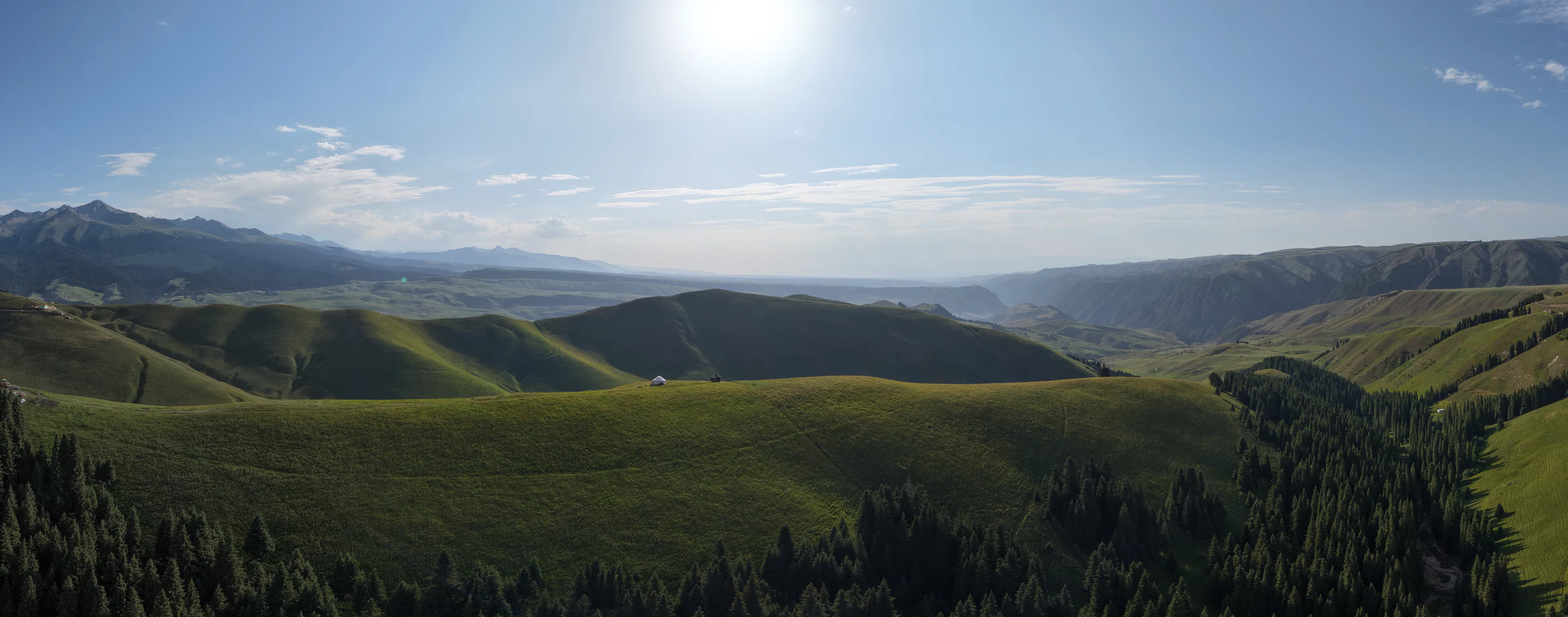
Six regions, six different stories.
Prince Edward County backroads, Ontario
Story to look for: Orchard rows, rural roads, limestone shorelines, farm-to-table details, and town-to-landscape transitions can make a complete road-trip film.
Legal scouting plan: Scout private or municipal locations outside Sandbanks and other provincial parks. Obtain property access, check local rules, and inspect nearby aerodromes and temporary restrictions in NAV Drone.
Season: Late spring for fresh greens; autumn for warmer colour and lower-angle light.
Useful kit: Mini 5 Pro, two standard batteries, ND set, Action 6, small voice recorder or checked wireless mic.
Drumheller-area badlands, Alberta
Story to look for: Eroded layers, hoodoo-like forms, long shadows, road scale, and ground-level texture reward early and late light.
Legal scouting plan: Do not treat the whole badlands region as one launch site. Exclude provincial parks, protected/heritage properties, restricted municipal land, private property without permission, and unsuitable airspace.
Season: Shoulder seasons for gentler heat and light; always plan for wind and exposed launch surfaces.
Useful kit: Mini 5 Pro with spare props and landing surface; Action 6 for close geology and road-trip sequences.
Prairie and Qu’Appelle Valley routes, Saskatchewan
Story to look for: Field geometry, road vanishing points, river-valley relief, cloud shadows, elevators, and harvest activity show scale without relying on extreme terrain.
Legal scouting plan: Arrange rural property access, stay well clear of active agricultural work and people, check aerodromes, and avoid assuming a quiet road shoulder is public launch permission.
Season: Early summer for green, late summer for gold, winter for graphic snow—each with different battery and weather demands.
Useful kit: Mini 5 Pro, charging hub, ND set, Action 6, and vehicle charging or Power 1000 Mini for a supported route.
Charlevoix villages and farmland, Québec
Story to look for: River scale, hillside settlement, seasonal colour, food producers, walking footage, and architectural detail can support a layered destination story.
Legal scouting plan: Separate public viewpoints, private farmland, municipal land, and protected areas. Confirm each launch with the controlling authority and check nearby aviation activity.
Season: Autumn is visually strong but busy; plan for crowds, permission lead time, and changing weather.
Useful kit: Mini 5 Pro for geography; Action 6 for markets, trails, food, and weather-resistant ground coverage.
Outport and coastal-road scouting, Newfoundland and Labrador
Story to look for: Harbour geometry, boats, colourful buildings, cliffs, fog, weather changes, and working waterfronts offer a strong aerial-to-ground narrative.
Legal scouting plan: Avoid national/provincial parks and wildlife-sensitive areas without permission. Respect working sites, private homes, coastal birds, marine activity, strong wind, and rapidly changing visibility.
Season: Late spring through early autumn offers longer days; wind and fog remain mission-defining.
Useful kit: Action 6 as the reliable primary; Mini 5 Pro only for a verified calm window; dry bags and conservative battery handling.
Roadside and community-based scouting, Yukon
Story to look for: Large terrain, road scale, rivers, changing light, and small human elements can communicate distance more effectively than constant high-altitude views.
Legal scouting plan: Research protected-area boundaries, local/Indigenous land context, community permission, aerodromes, wildfire restrictions, wildlife, communications, and recovery limits before selecting a launch.
Season: Long summer light expands the shooting window; colder seasons demand much more battery and travel contingency.
Useful kit: Mini 5 Pro, standard spare batteries kept warm, Action 6, redundant storage, charging plan, and a no-connectivity copy of the mission information.
Famous does not mean flyable.
Banff, Jasper, Pacific Rim, and other Parks Canada destinations prohibit recreational drone use. Ontario Parks does not permit recreational drones, while BC Parks and Alberta Parks impose their own strong permission/prohibition rules. Build those itineraries around ground footage unless the authority responsible for the specific project and place approves the operation.
The protected-place fallback shot list
- Wide static landscape from a lawful public viewpoint.
- Slow walking reveal with Action 6 stabilization.
- Foreground details: water, rock, trail, signs, gear, weather, hands.
- Thirty seconds of clean ambient sound at every major location.
- A short on-camera or off-camera voice note explaining the place.
Turn a destination search into a shoot plan.
- Choose the story ingredients—coast, road, working landscape, person, season—not one viral pin.
- Mark several candidate areas outside obvious protected boundaries.
- Check exact coordinates and time in NAV Drone; note aerodromes and permissions.
- Identify the land controller and local/municipal rules; request permission where needed.
- Check wildlife, people, weather, access, parking, emergency recovery, and cultural sensitivity.
- Write both an aerial sequence and a ground-only sequence. Travel with both.
Primary and published sources
Rules and product guidance can change. These links were reviewed on August 16, 2026; re-check them before relying on the information for a trip or purchase.
Transport Canada — Where to fly your droneNAV CANADA — NAV Drone support and viewerParks Canada — Drone rulesOntario Parks — Drone policyBC Parks — Responsible recreationAlberta Parks — Regulations