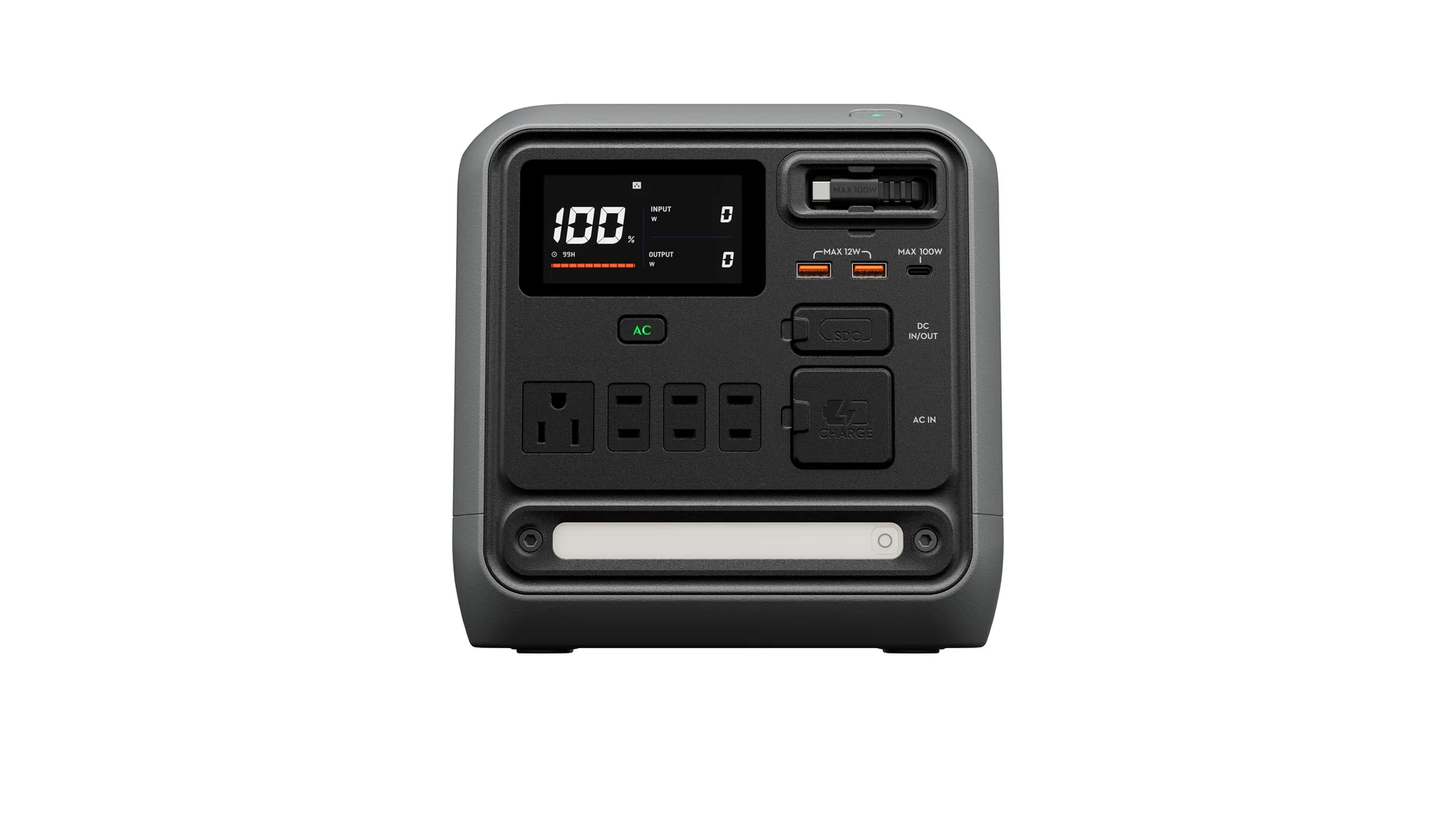
Best for portability
DJI Power 1000 Mini
Solo creators, compact vehicles, drone charging, camping, and lower-draw essentials.
1,008WhCapacity
800W rated / 1000W maximumOutput
11.5 kgWeight
$64950 available
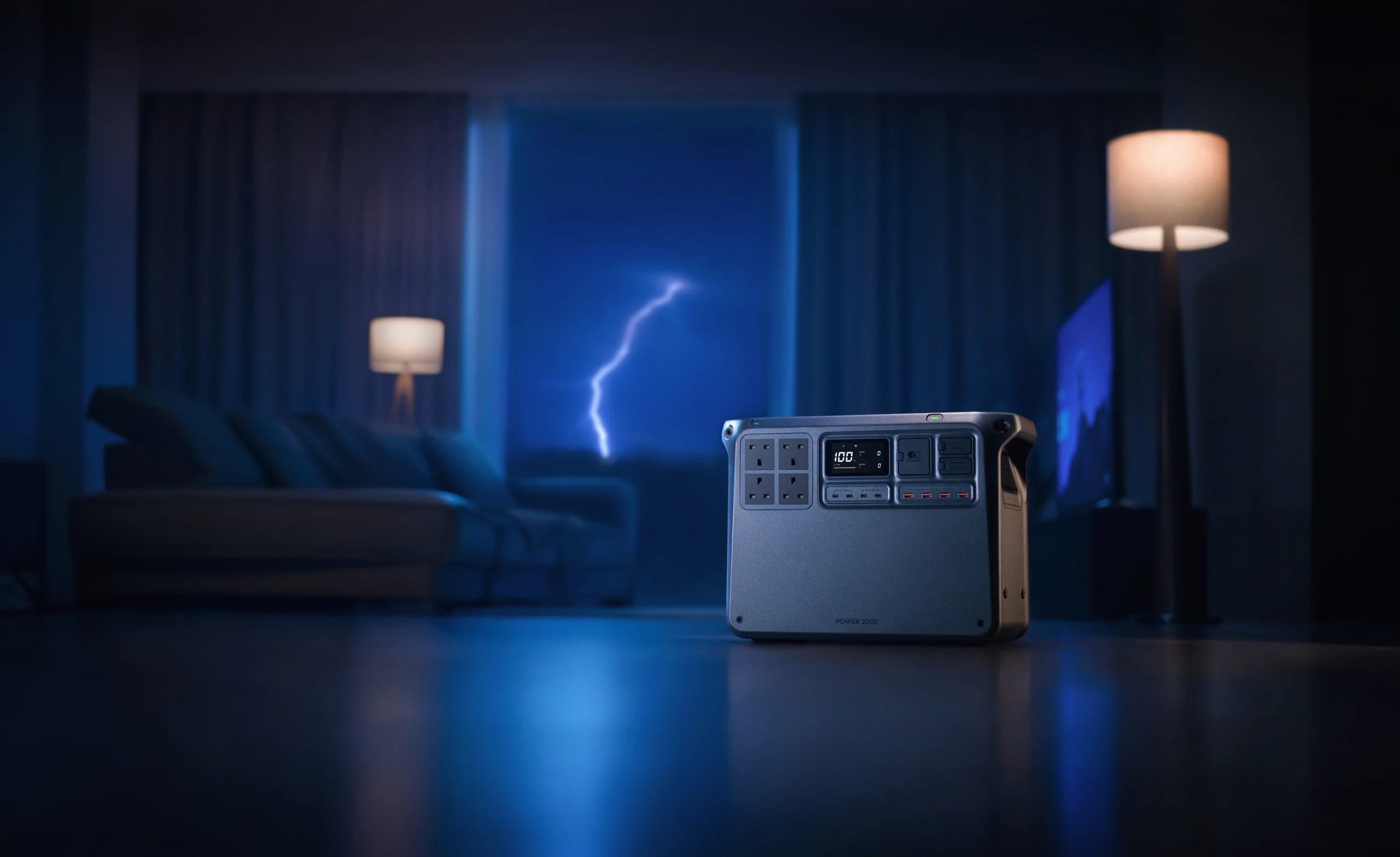
Compare portable power for filming, camping, work, RV travel, and home backup. Start with your equipment load, then choose the runtime and carry weight that fit the job.
Choose Mini when weight matters most. Choose V2 when high output matters more than extra capacity. Choose Power 2000 when runtime and expansion drive the decision.
Solo creators, compact vehicles, drone charging, camping, and lower-draw essentials.
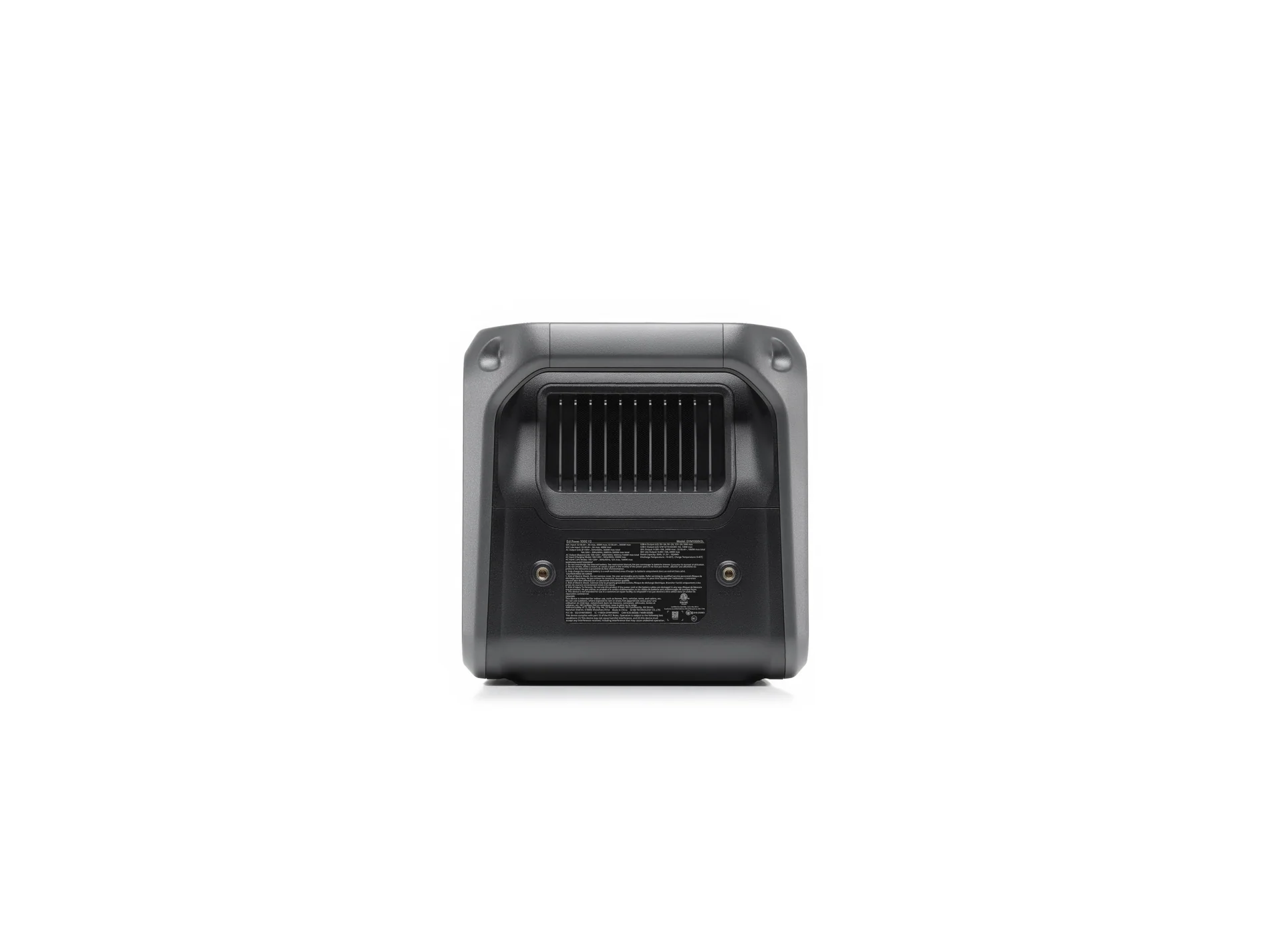
Production carts, higher-draw tools, vehicle systems, and expandable field power.
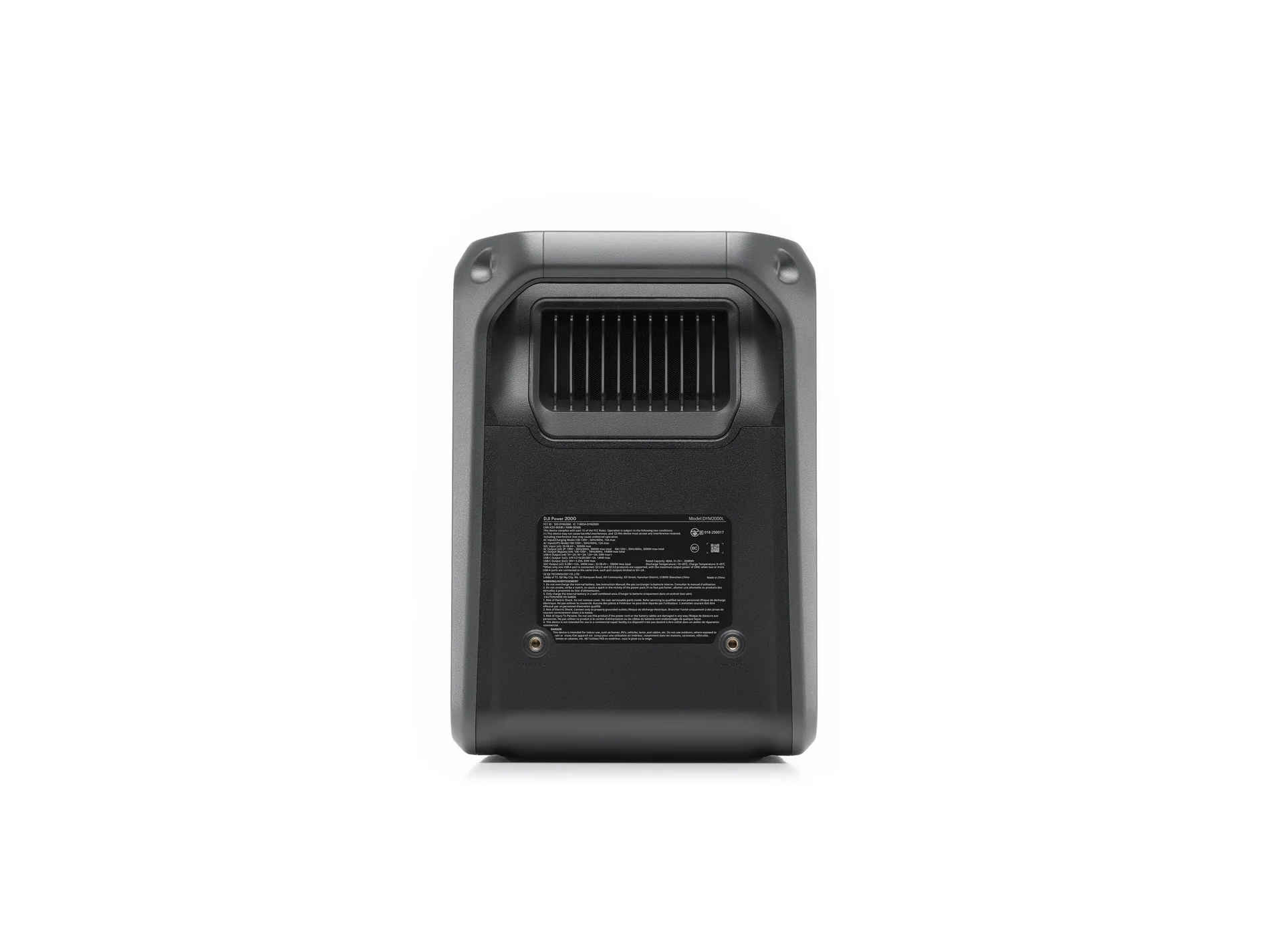
Crews, RVs, outage backup, multi-device loads, and large expandable systems.
Set the equipment load and the runtime you want. The estimates include a 15% conversion and reserve allowance.
Best for portability · $649
Best all-rounder · $699
Best for long runtime · $1,149
Planning estimate only. Actual runtime changes with the device, startup surge, temperature, battery condition, and AC/DC conversion. Check the equipment nameplate and startup demand before purchase.
These manufacturer examples make the capacity difference easier to see. Real results change with device power draw, cycling loads, temperature, and conversion losses.
Swipe or use the arrow keys to see every model.
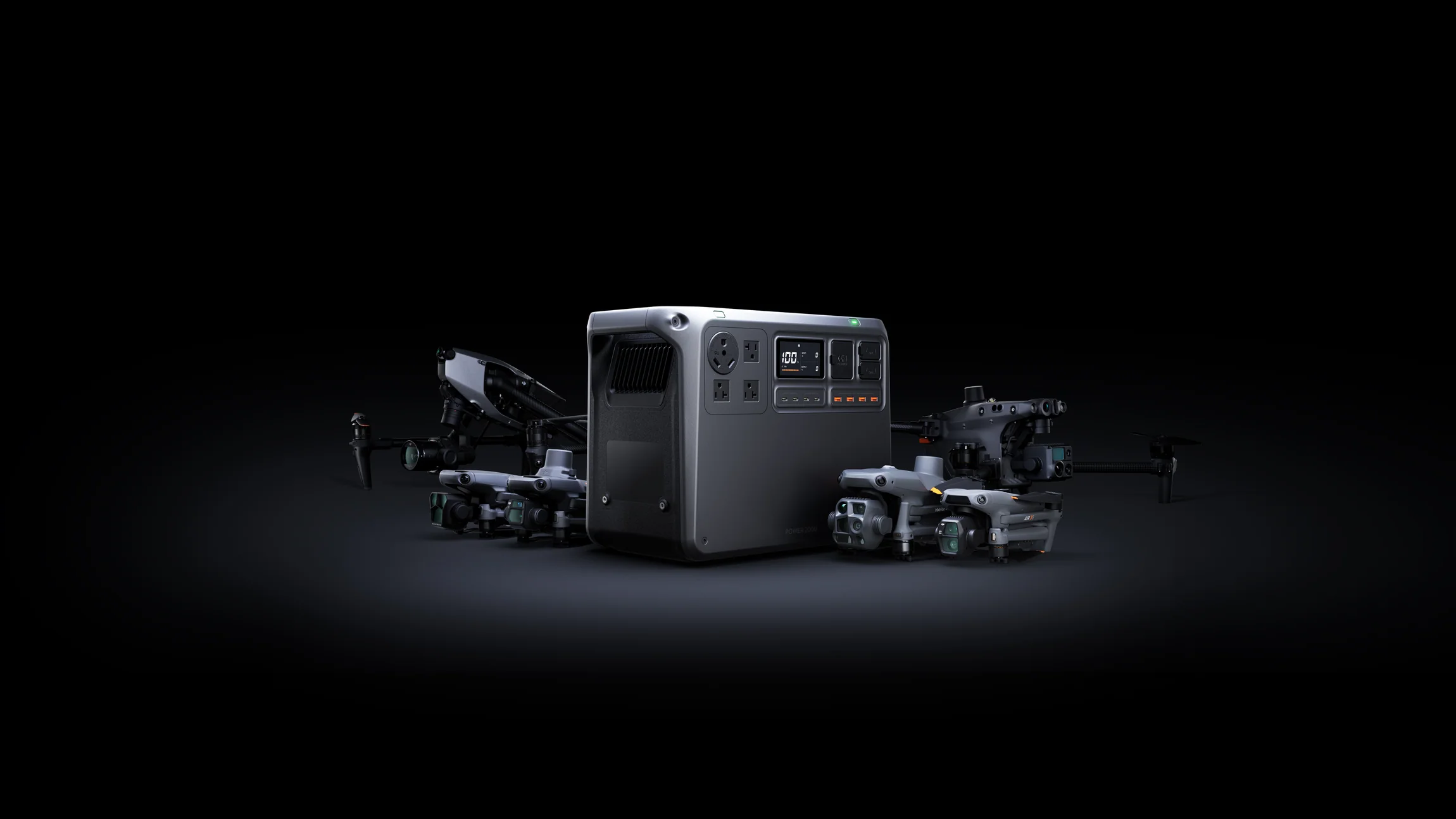
Capacity is only one part of the decision. The load, recharge source, and transport plan determine whether the system works day after day.
Mini has built-in 400W car and solar charging. V2 and Power 2000 support higher-power vehicle charging accessories and expansion.
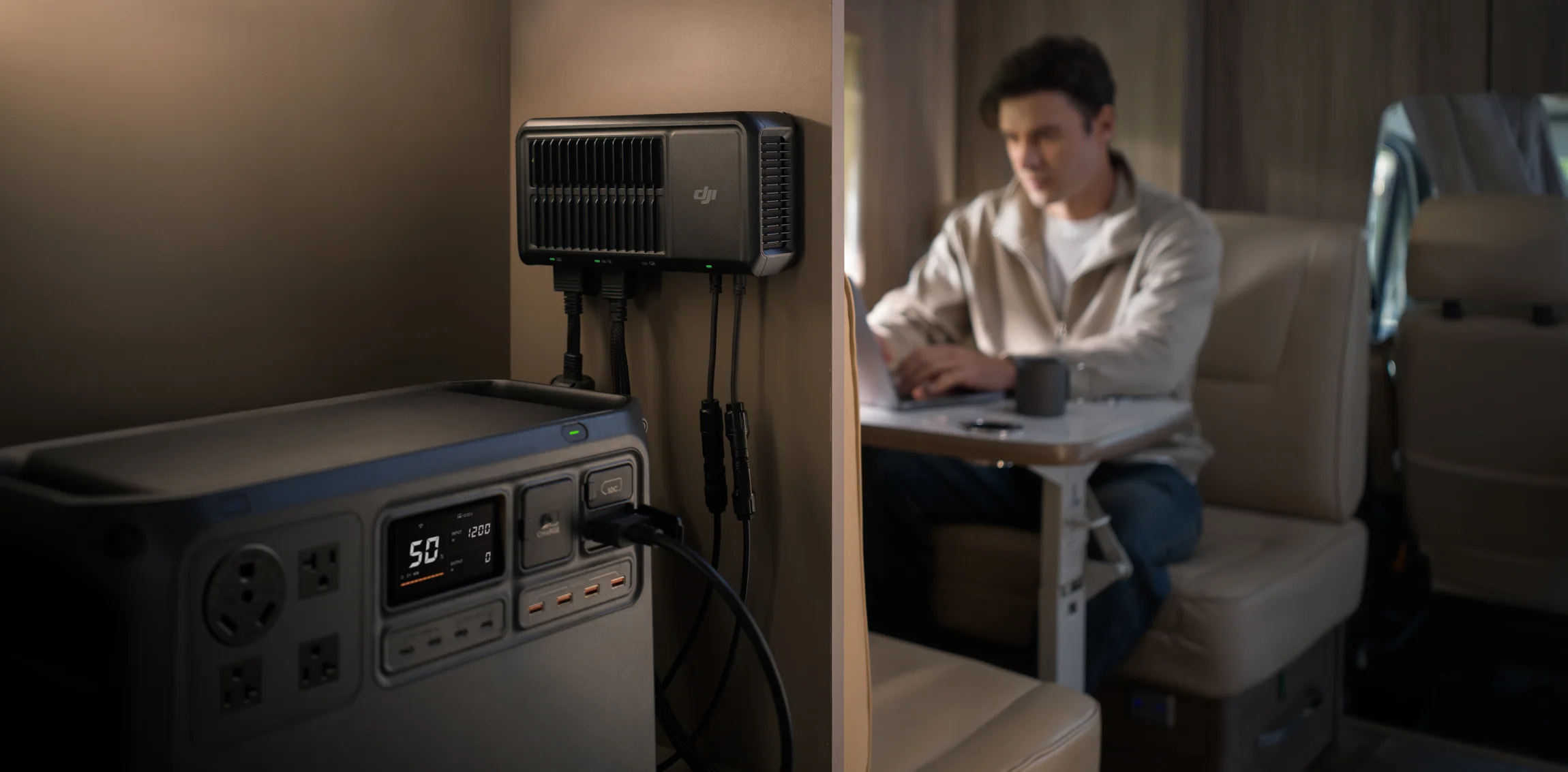
Start with the devices that must stay on. Power 2000 provides 2048Wh before expansion; V2 starts smaller but can grow to 11,264Wh.
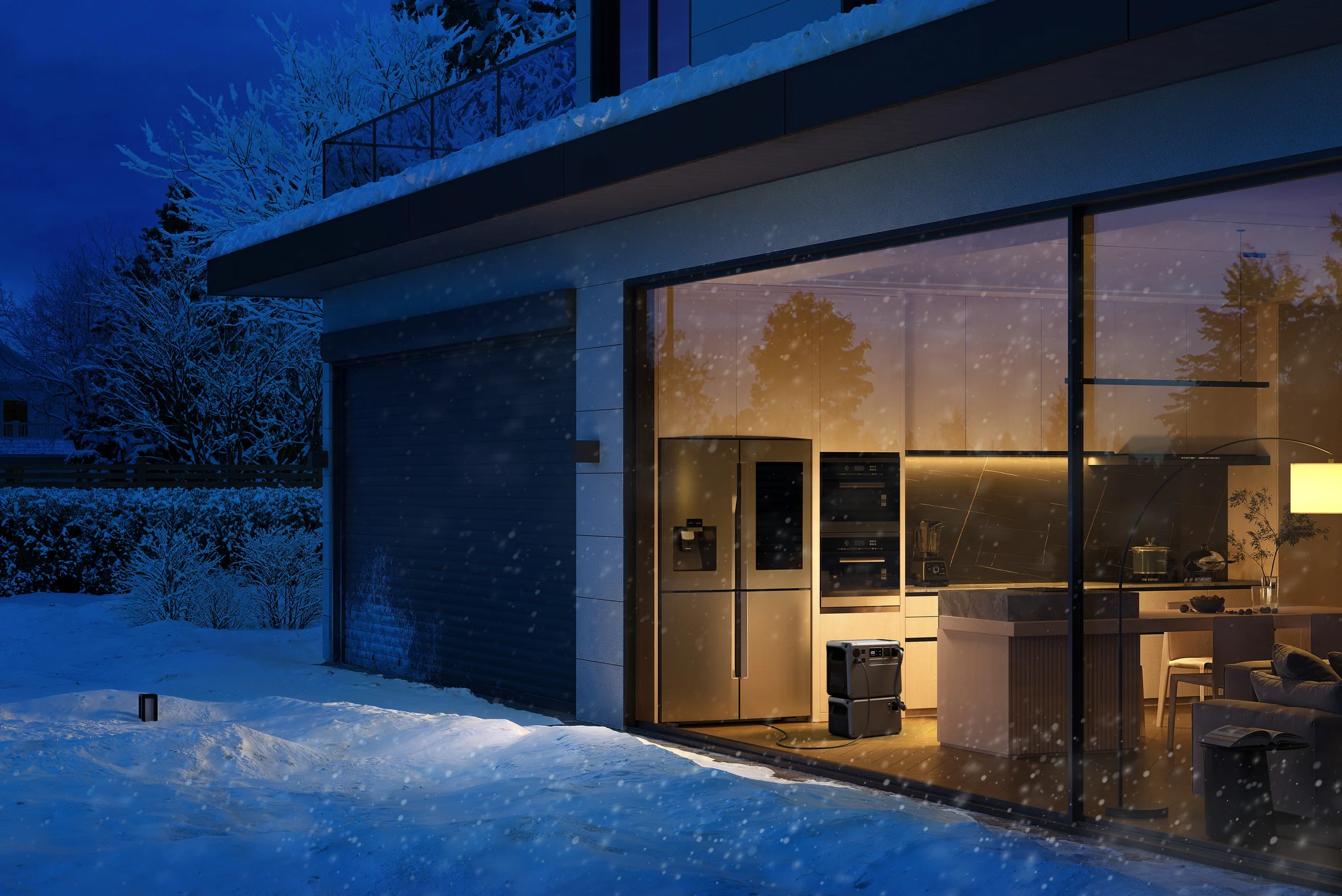
Match panel output and daylight to daily consumption. Solar input can extend a trip, but it does not replace correct load and reserve planning.
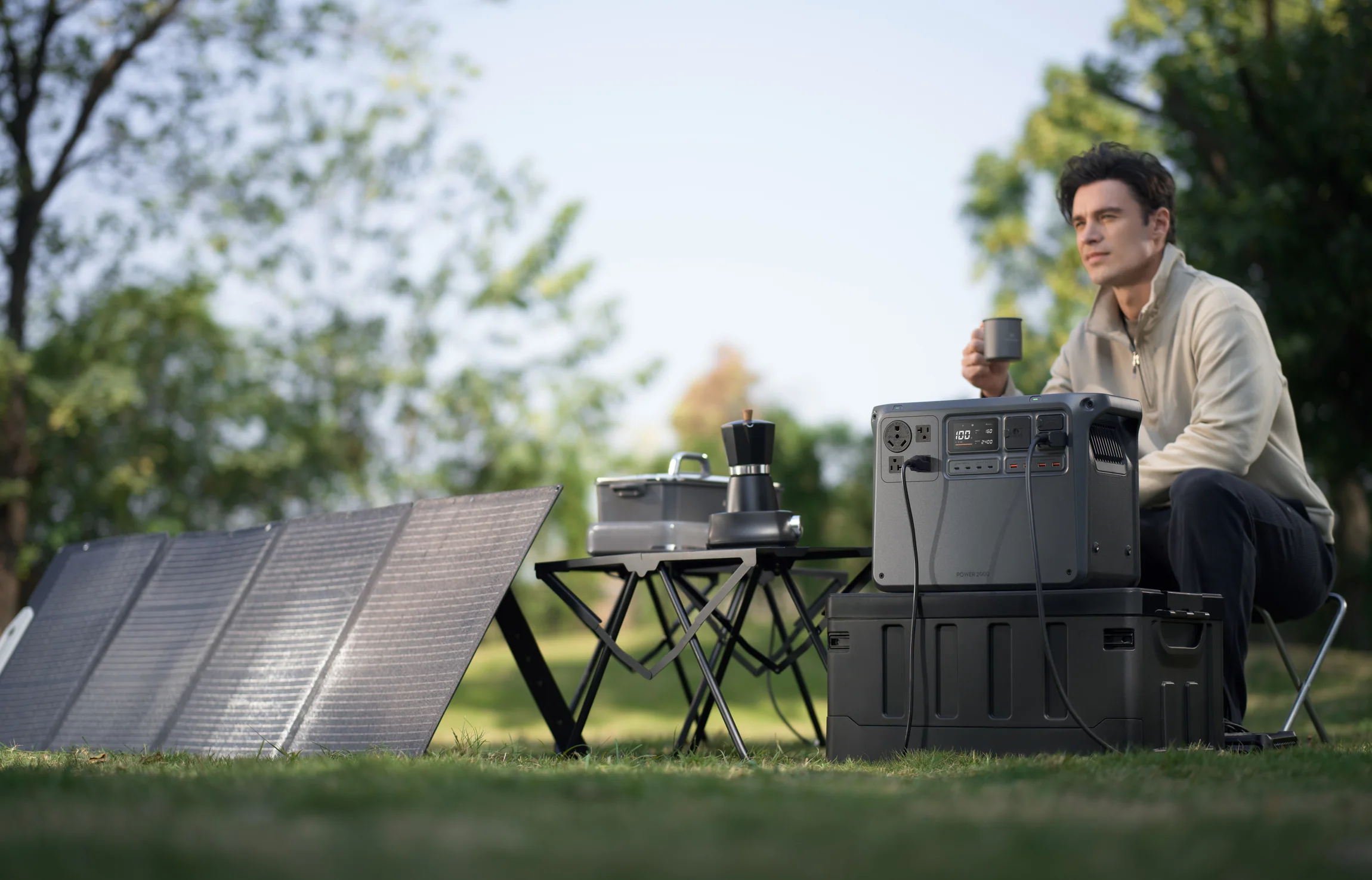
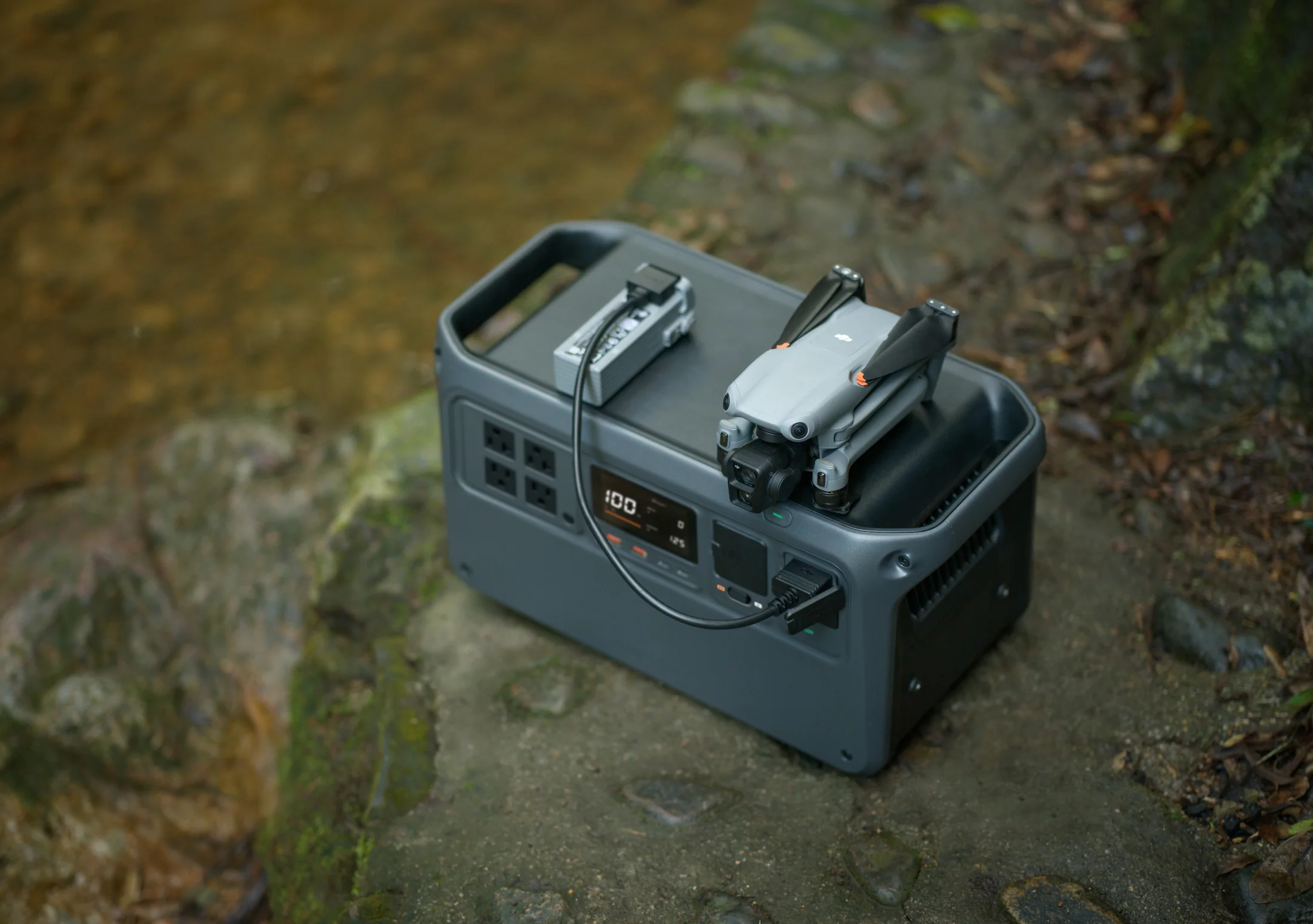
SDC charging, high-output USB-C, and AC power keep drones, cameras, laptops, lights, storage, and communications moving from one system.
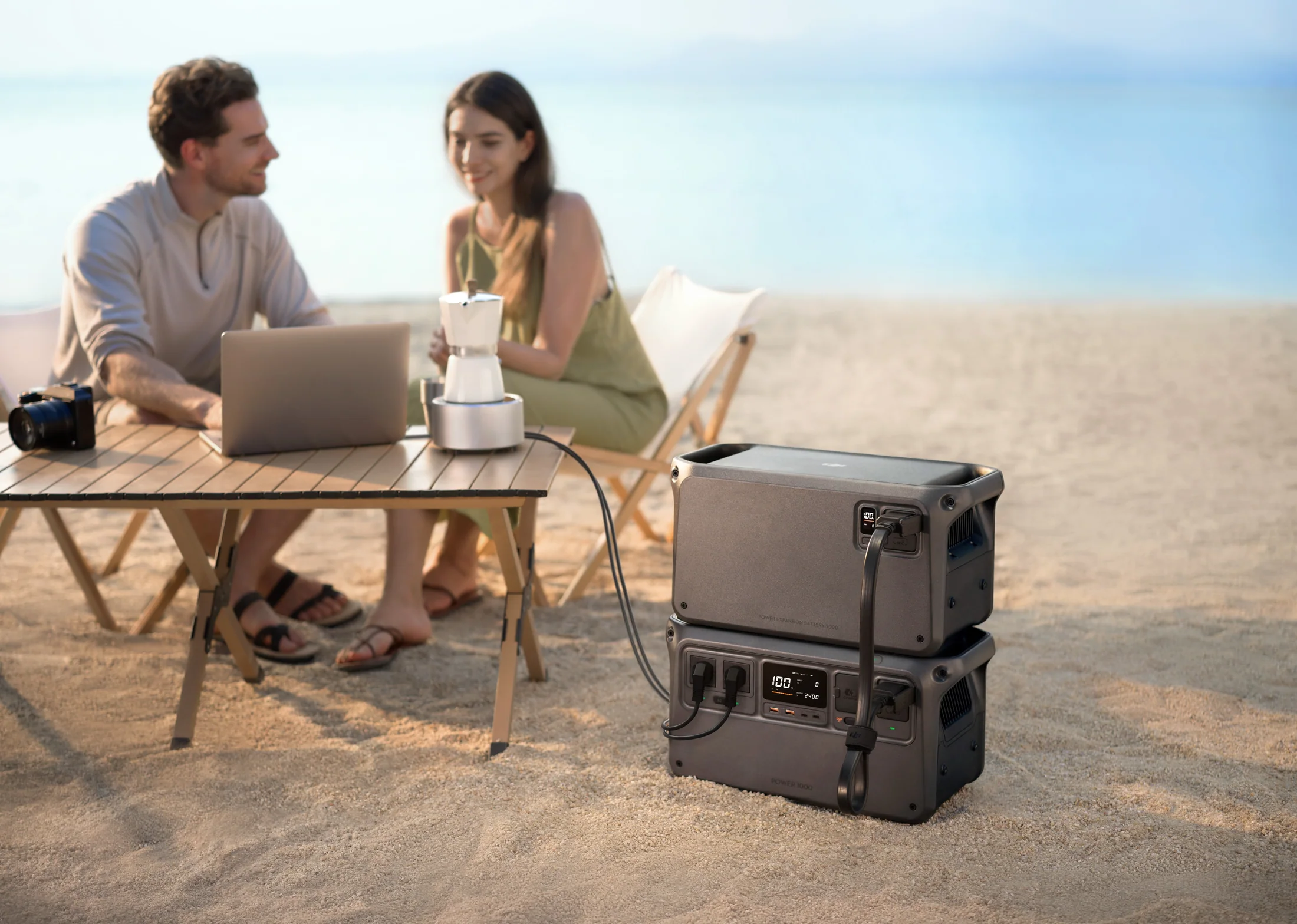
Power 1000 Mini stays at 1008Wh. Power 1000 V2 can reach 11,264Wh with five expansion batteries. Power 2000 can reach 22,528Wh with ten.