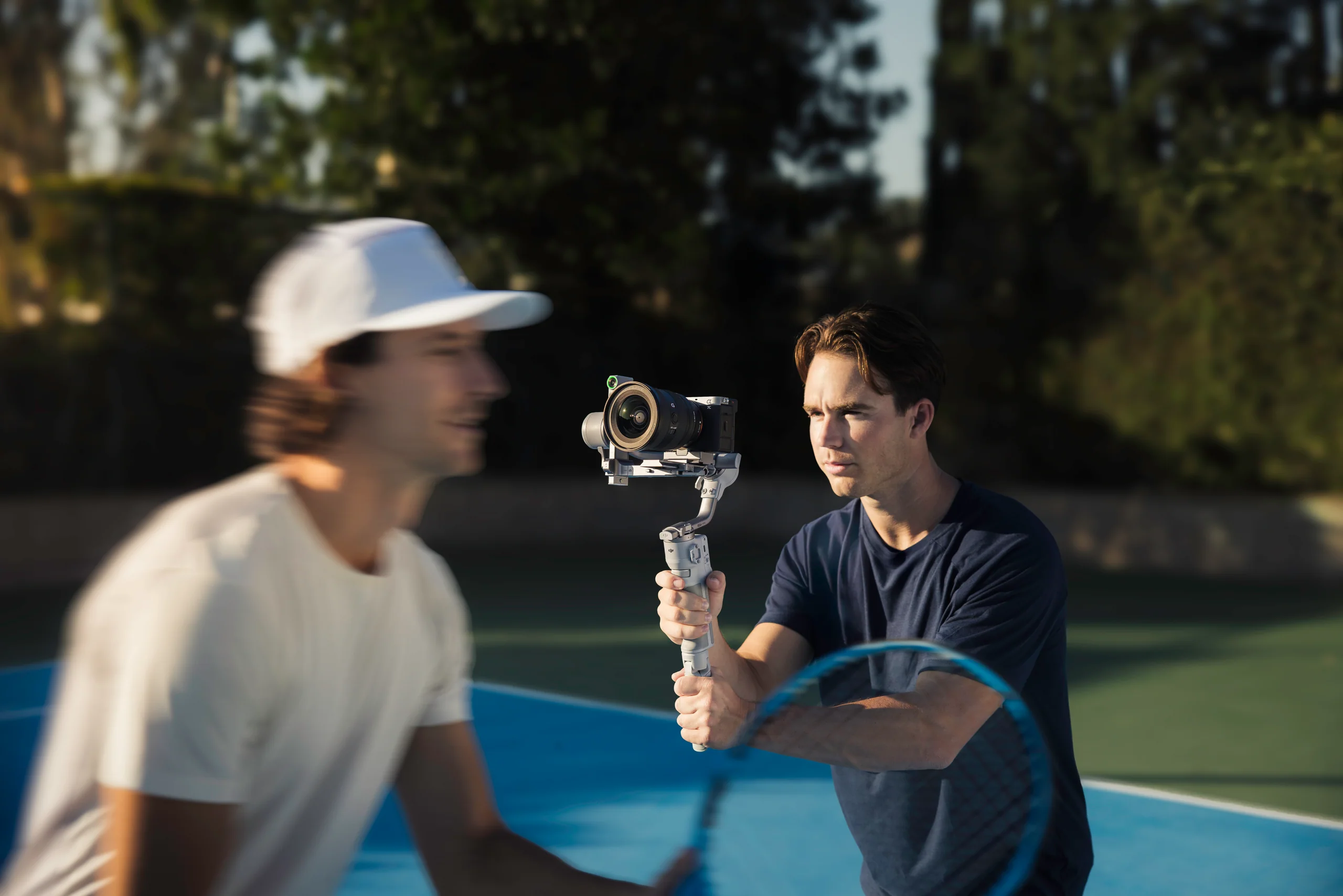
Write the operator rundown you cannot call out loud.
- Room: power, noise, background, privacy, releases, and interruptions.
- Frame: primary crop, performance marks, focus, exposure, white balance, and tracking boundary.
- Sound: placement, gain, headphones test, backup, and room tone.
- Performance: hook, complete master, demonstrations, pickups, and CTA.
- Data: playback check, two copies, battery state, and a reset note for the next session.
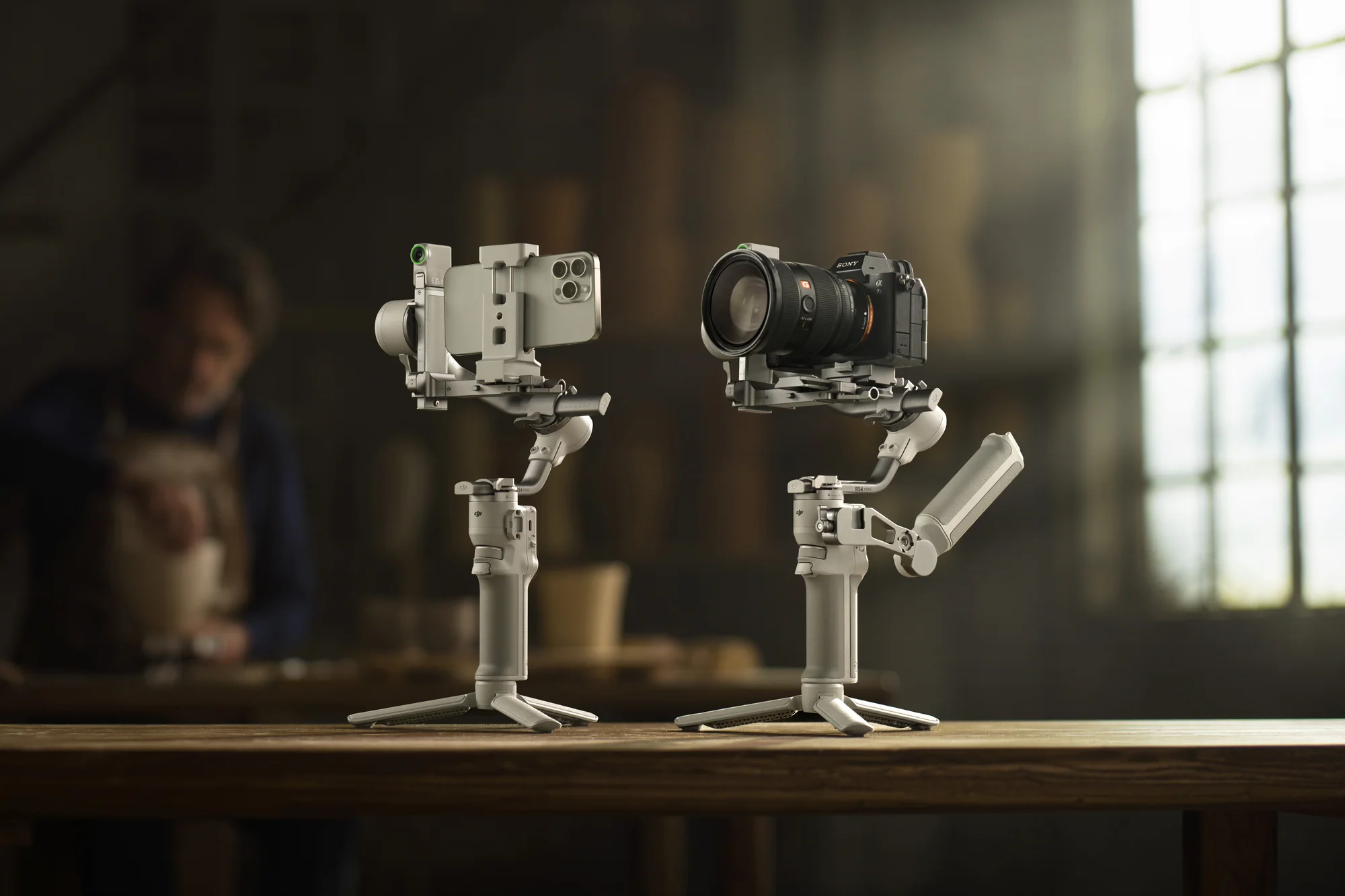
Match the setup to the application.
Desk or tutorial
Use a stable master, screen or hand inserts, close audio, and restrained tracking only when the presenter changes zones.
Kitchen or workshop
Protect the gear from heat, water, dust, and tools; prioritize an overhead or detail angle and maintain continuity.
Coach or fitness
Widen the marked zone, control mirrors and background people, test faster movement, and keep the camera outside the exercise path.
Storefront or profile
Get location and participant permission, control public crossings, record a static safety take, and capture clean business ambience.
Design every automation with a recovery shot.
If tracking fails, the static master should still carry the story. If wireless sound fails, the camera or transmitter backup should preserve the line. If a phone crop fails, the wider master should allow a second export. Redundancy is not more gear; it is a deliberately recoverable sequence.
- Record a clean static master.
- Review focus and sound at full attention.
- Add only one automated behaviour at a time.
- Capture close detail and CTA pickups.
- Back up before changing the set.
Sources and verification.
This guide summarizes published manufacturer capabilities and Canadian aviation or privacy context, then adapts them into a practical production method. It does not reproduce the source articles and is not legal advice.
Verify before the take
- Current product compatibility, included items, firmware, and availability.
- Exact location, land or venue permission, people, privacy, weather, and operational rules.
- A recorded camera and sound test under the real conditions.