Fertilizer at rate, without the ruts.
SkyFlow's licensed crews spread urea, potash, and dry blends at up to 300+ lb/ac — on wet fields, into standing corn, and over hilly pasture — and hand you records for every acre.
Call or text (705) 834-6666 — we answer during the seasonTop spreading rate
Spreading throughput per aircraft
Hopper capacity (DJI T50)
Wheels on your soil
When it's too wet.
Spring topdress windows don't wait for fields to dry. The drone flies while the floater sits parked.
Into standing crop.
Late nitrogen into tall corn, no high-clearance rig, no trampled rows, no rental bill.
Exactly on rate.
RTK flight lines and weighed hoppers put the plan on the field, corner to corner.
Six fertilizer problems a drone solves.
The concerns we hear most from Ontario farmers: hitting the nitrogen timing window, wet fields that won't carry equipment, volatilization losses, and feeding acres that ground rigs skip. Here's where flying beats driving.
Spring urea topdress on winter wheat
Green-up nitrogen usually lands when fields are at their wettest. A drone hits the timing without leaving a single track in soft ground.
In-season nitrogen into standing corn
Split or rescue N at V10 and beyond, when the crop is too tall for anything but a high-clearance rig or an airplane. The drone flies over the canopy.
Split nitrogen programs
Put a smaller dose down more often, matched to crop demand. Less leaching and volatilization risk than one big early pass.
Potash and blends on hay and pasture
Feed forage stands right after a cut without compacting the regrowth, including hilly paddocks a buggy hates.
Sidehills, wet holes, and odd corners
The acres a floater skips or ruts up — slopes, headlands, waterway edges, and the wet hole in the middle — get the same rate as the rest of the field.
Rescue applications after heavy rain
Leaching rains can strip nitrogen right when the crop needs it. A drone gets replacement N on within days, not weeks.
Typical application rates, by crop and stage.
Common Ontario ranges to plan around. Your soil test and your agronomist set the final number — these are starting points, not prescriptions.
Winter wheat
Most Ontario programs put nearly all wheat N on as a spring topdress. On sands, splitting green-up and stem elongation reduces loss risk.
Corn — sidedress window
The classic split: starter at planting, the balance in-season when the crop can actually use it.
Corn — late / rescue N
Too tall for most ground rigs. This is one of the most common drone spreading calls we get.
Hay and pasture — nitrogen
Grass responds fast to N after a cut. Flying it on avoids driving over fresh regrowth.
Forages and soybeans — potash
Hay removes a lot of K with every bale. Soil test first — potash is too expensive to guess.
Phosphorus (MAP/DAP)
Granular MAP spreads well by drone. Keep P out of waterways — aerial placement makes buffer zones easy to respect.
Ranges reflect OMAFRA publications and university extension guidance — see the works cited at the bottom of this page. Always confirm rates against a current soil test and your nutrient management plan.
No drone? No pilot? No problem.
Full-service application
Don't have a drone? Don't have a skilled pilot? Hire SkyFlow's experienced pilot team and application engineer team. We bring the aircraft, the batteries, the generator, the crew, and the plan — you get fed acres and a coverage record. This is the fastest way from "the field needs nitrogen" to "the nitrogen is on."
Pilot sharing program
Already own the drone but don't want to fly it yourself? SkyFlow's skilled pilot sharing program puts our licensed pilots on your machine. Your aircraft works its full potential, your acres get professional application records, and you skip the licensing, training, and liability of flying it yourself.
How to spread fertilizer with a drone: the parameters nobody else publishes.
Flying your own DJI T50 spreading missions? This is our field-proven drone spreading guide — the real heights, spacing, speeds, and battery-per-tank planning our crews use every day. Use it, and if you'd rather skip the learning curve, we're one call away.
- 01
Check the product before anything else
Dry, free-flowing granular products spread well by drone: urea, potash (0-0-60), MAP/DAP, and quality dry blends. Prilled and coated products flow best. Avoid dusty, powdery, or moisture-sticky products — powdered lime and damp blends bridge in the hopper and wreck the pattern. Pelletized lime is workable; powder is not.
- 02
Set the core flight parameters
For spreading you can fly higher than spraying. Set 20 to 25 ft above the crop canopy and 30 ft line spacing — that combination gives the spinner room to build a full, even swath. Then maximize flight speed for your selected application rate: let the flow rate be the limiting factor, not the speed. If the pump can hold rate at a faster speed, fly faster. Ground speed is free productivity.
20 to 25ftHeight above canopy
30ftLine spacing
MaxspeedFor the selected rate
RatefirstSpeed follows rate
- 03
Plan loads around the battery, not the hopper
Battery-per-tank ratios decide your loading rhythm and your generator schedule. Plan the day so a battery change and a hopper refill land at the same stop whenever possible — one stop, two jobs, no wasted minutes.
Did you know?T50 battery-per-tank ratios, from our own job logs — as long as you're not flying to a loading point that's too far away:
Application rate Tanks per battery Battery 100 lb/ac 2 full tanks One fully charged battery 100 to 150 lb/ac 2.5 tanks One fully charged battery 150 to 200 lb/ac 2.5 to 3 tanks One fully charged battery 200 to 300 lb/ac ~3 tanks One fully charged battery Notice the pattern: a larger application rate empties the hopper sooner, so the drone flies fewer minutes under heavy payload. That's how you save energy per acre.
- 04
Spend heavy payload time flying, never hovering
A loaded drone burns battery fastest. Higher application rates actually save energy: the hopper empties sooner, so the aircraft spends fewer minutes flying heavy. The rule is simple — never let the drone hover with a full hopper. Don't launch until the route is confirmed, keep your loading point close to the field, and route the return leg empty, not full. Unnecessary hovering with payload kills the battery and slows the whole job.
- 05
Handle obstacles manually — turn obstacle bypass off
For spreading work, do not rely on automatic obstacle bypassing. The avoidance routine will try to route around a tree line or wire and steer itself into worse trouble — especially near bare branches that radar barely sees. Instead, survey the field first, mark obstacles on the map, plan corridors around them, and fly those edges under manual control. Predictable lines beat reactive dodging every time.
- 06
Respect the payload and unlock limits
The T50's tolerated maximum payload drops once the battery is below 50%. Never fill more than 10% over the currently allowed limit — beyond that the aircraft will not unlock at all, and you'll be stuck removing product or swapping the battery on the pad. That's pure downtime. Squeezing an extra run out of a 30 to 40% battery? Load a half tank or less. And know the ceiling: the overload override unlock tolerates at most 10 to 15% over. Past that line, no override will unlock the aircraft.
< 50%Battery below 50%: tolerated max payload is reduced. Plan lighter loads.
+10%Never fill more than 10% over the current limit, or the aircraft won't unlock at all.
30 to 40%Squeezing an extra run from a low battery? Half a tank or less. Override tolerates 10 to 15% overload, maximum.
- 07
Verify the pattern and keep records
Run a swath check on the first field: catch trays or a quick visual on a hard surface confirms the effective width at your rate and disk speed. Log product, rate, height, spacing, and acres for every field. Those records feed your nutrient management plan and prove the application if a grant or audit ever asks.
The drone is good. The crew behind it is why farmers call back.
A crew, not a rental
Licensed Transport Canada pilots and application engineers plan the job, fly it, and hand you the records. You never touch a controller.
An 8-aircraft fleet
Three DJI Agras T50s, three T100s, and two Q100s. High-rate fertilizer programs need capacity, and we bring it.
2,000+ acre programs to family farms
We run multi-farm topdress programs and still take the 15-acre hay field. Same crew, same records.
Records for every acre
Product, rate, coverage map, and timing for each field — ready for your agronomist and your nutrient management plan.
Insured and compliant
Fully insured operations flown inside Transport Canada rules, with RTK flight logs to back up every pass.
One provider, every pass
Spreading, spraying, seeding, and multispectral scouting from one team, so your whole nutrient program stays coordinated.
From call to coverage.
- 01
Product and rate
Pick the product and target rate. We confirm it spreads well by drone.
- 02
Pattern plan
Swath, overlap, and RTK flight lines are set for even coverage.
- 03
Load and fly
Fast loading and battery cycling keep the aircraft in the air and the field moving.
- 04
Records
Product, rate, and coverage notes for every field, ready for your nutrient plan.
We publish how we work.
 Aircraft guide
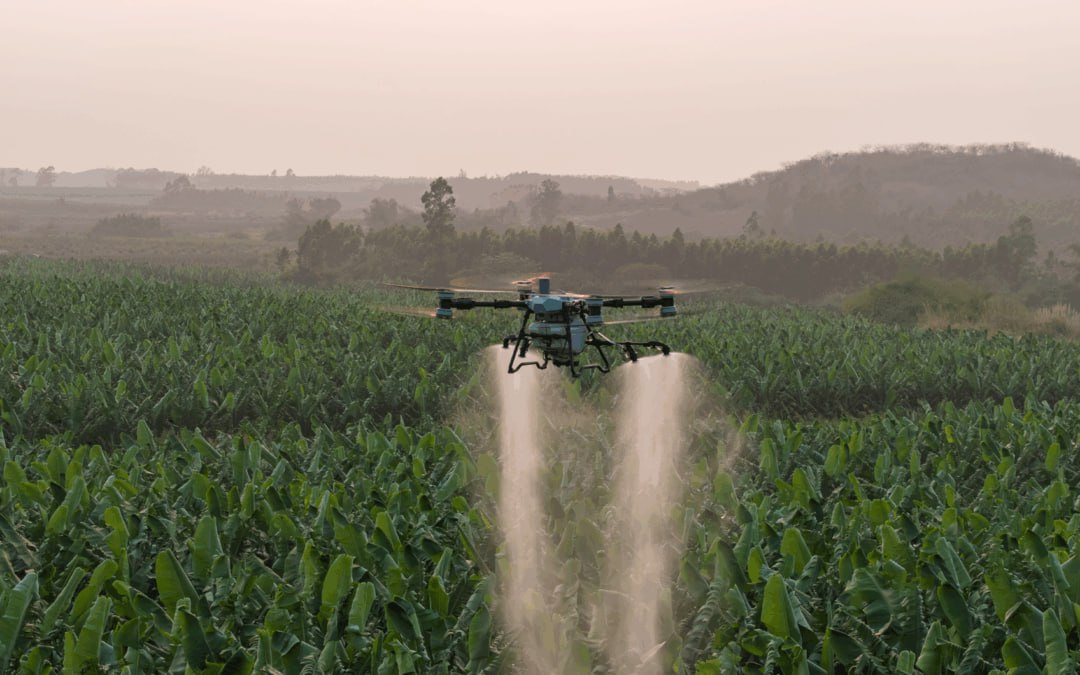
Drone fertilizer application in Canada: where each aircraft fits
How the T100, T50, and T25P handle real Ontario fertilizer scenarios, from wheat topdress to forage potash.
Read the article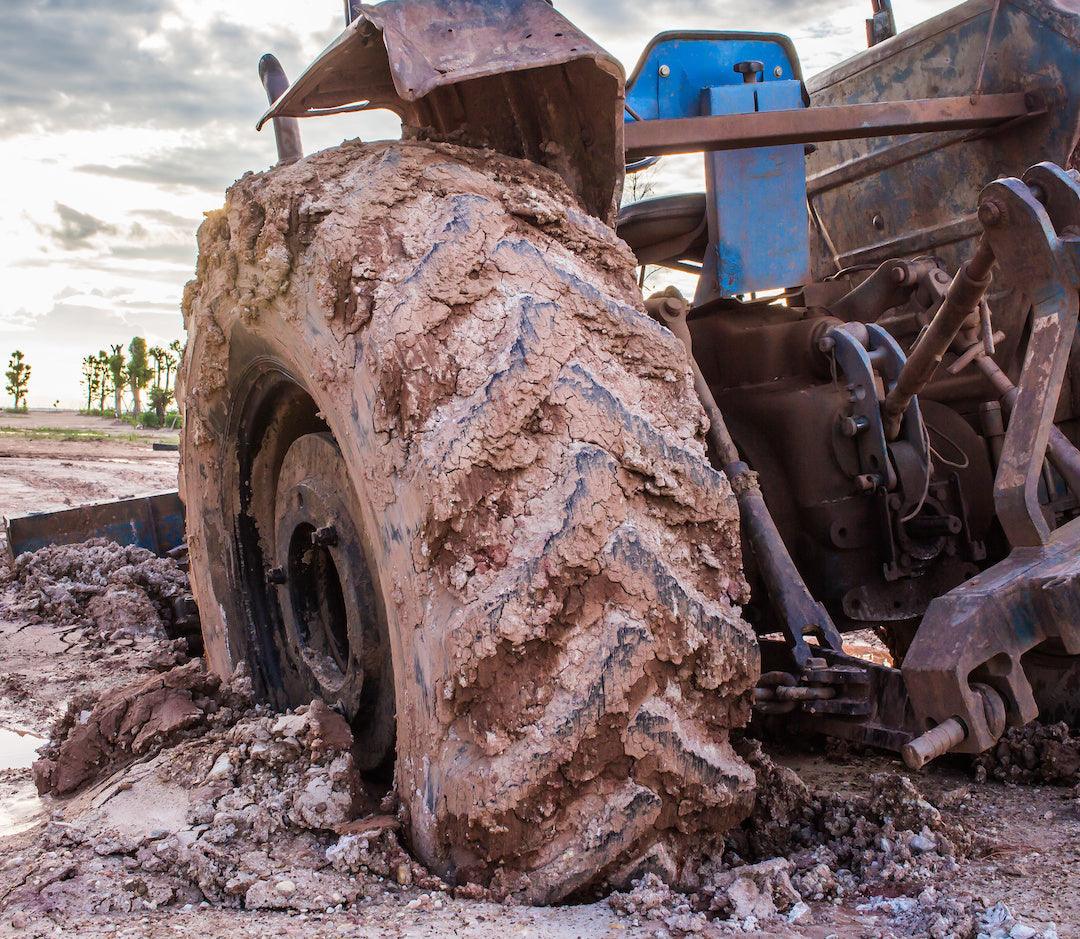 Wet fields
Applications when fields are too muddy to drive
Why wet Ontario springs park ground equipment for weeks, and how flying keeps the nitrogen window open.
Read the article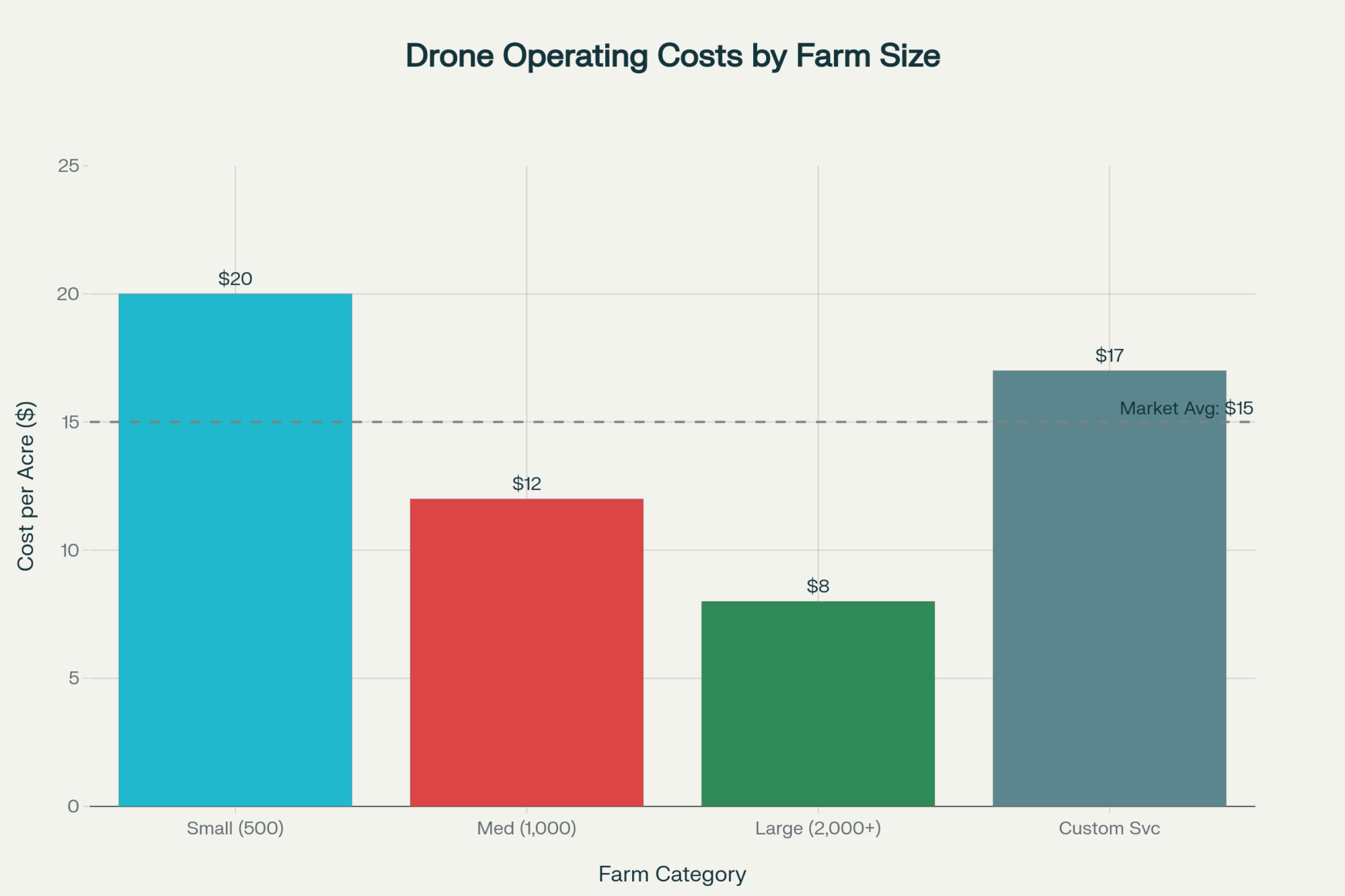 Pricing guide
What custom drone application really costs per acre
Our honest breakdown of Ontario per-acre pricing, minimums, and what should be in a quote.
Read the articleDrone fertilizer questions, answered.
- What is drone fertilizer application?
- A heavy-lift agricultural drone carries granular fertilizer in a hopper and spreads it over the field with a spinning disk, flying RTK-guided lines about 20 to 25 feet above the crop. It puts fertilizer down at rate on fields that are too wet, too tall, or too awkward for ground equipment.
- Is this a rental, or do you do the work?
- We do the work. SkyFlow is a full-service operation: licensed pilots and application engineers plan the job, fly it, and hand you the records. If you own a drone but don't want to fly it, our pilot sharing program puts our crew on your machine.
- How much fertilizer can a drone spread per acre?
- We routinely spread 100 to 300+ lb/ac of dry granular product. Rate is set by your plan; the drone holds it with weighed hoppers and RTK flight lines.
- How many acres per hour can a spreading drone cover?
- A single DJI T50 moves up to 1,500 kg of product per hour. Real-world acres per hour depend on the rate: lighter rates cover more ground per tank, heavier rates cover less but finish each tank faster.
- What fertilizer products spread well by drone?
- Urea, potash (0-0-60), MAP, DAP, ammonium sulphate, and quality dry blends — anything granular, dry, and free-flowing. Powdered lime and damp, dusty products do not spread well; pelletized lime is the workable alternative.
- Can you spread urea on winter wheat in spring?
- Yes — spring urea topdress on winter wheat is one of our biggest jobs. Fields are usually too soft for a floater at green-up, and the drone hits the timing without a single rut.
- Can a drone put nitrogen into standing corn?
- Yes. We fly urea into corn from V10 right through tassel, when the crop is far too tall for most ground rigs. No trampled rows, no high-clearance rental.
- What does drone fertilizer application cost per acre?
- Pricing depends on rate and acres — heavier rates mean more loads per acre. As a reference, custom drone application in Ontario typically starts near $20/ac and scales with rate. Send us the field and target rate for a firm number.
- Does urea need rain after topdressing?
- Ideally, yes. Surface-applied urea wants about a quarter inch of rain within four days, or you risk volatilization loss. We help you time the application ahead of a rain, or you can use NBPT-treated urea to buy protection when the forecast is dry.
- Is split nitrogen application worth it?
- Splitting N so it arrives when the crop can use it reduces leaching and volatilization risk, especially on sands and in wet springs. A drone makes the second pass cheap and timely, which is what makes split programs practical.
- How high does the drone fly when spreading fertilizer?
- 20 to 25 feet above the canopy for spreading — higher than spraying — with about 30 feet between flight lines. That gives the spinner disk room to develop a full, even swath.
- How fast does a spreading drone fly?
- As fast as the flow rate allows. We set the application rate first, then push ground speed until the spreader is the limiting factor. That's how a day of flying covers real acres.
- How many hopper tanks can a T50 spread per battery?
- At 100 lb/ac, one fully charged battery runs about two full tanks. From 100 to 150 lb/ac, about two and a half. From 150 to 300 lb/ac, roughly two and a half to three, because higher rates empty the hopper sooner and the drone spends less time flying heavy.
- Why does a higher application rate save battery?
- Payload is what drains the battery. At a heavy rate the hopper empties quickly, so the aircraft flies fewer minutes at maximum weight. The worst thing you can do is hover with a full hopper — it burns energy and produces zero acres.
- What happens if I overfill the drone's hopper?
- The aircraft won't unlock. Maximum tolerated payload drops when the battery is below 50%, and filling more than 10% over the current limit means you must offload product or swap batteries before flying. The overload override tolerates at most 10 to 15% over — beyond that no override will unlock it.
- Can I fly a spreading run on a 30 to 40% battery?
- Yes, but load a half tank or less. Low batteries reduce the tolerated payload, and an overweight aircraft on a low battery simply won't unlock. Plan the light load deliberately instead of finding out on the pad.
- Should I use obstacle bypass when spreading?
- We recommend against it. Automatic bypassing reacts to obstacles it half-sees — bare branches and wires especially — and can steer into worse trouble. Map the obstacles, plan corridors, and fly field edges manually.
- Does drone spreading leave streaks?
- Not when the swath is set up right. We verify the effective width at your rate and disk speed on the first field, then hold 30 ft spacing with RTK. Uneven colour in a field almost always traces back to guessed swath width.
- Can you spread fertilizer and seed in the same season?
- Yes — the same spreading system handles cover crop seed, and many of our fall clients combine cover crop seeding with a potash pass. One provider, one mobilization.
- Do I need a licence to hire you?
- No. Our crews hold the pilot certificates and fly inside Transport Canada rules. If you want to fly your own drone instead, you'll need an RPAS certificate — or use our pilot sharing program and skip the licensing entirely.
- What is the SkyFlow pilot sharing program?
- You own the drone; we supply the licensed pilot and application engineer to fly your acres on your machine. You get professional results and records without hiring or training a pilot. Ask us for a quotation.
- What rate should I use for my crop?
- Start from a soil test and your agronomist's plan, not a rule of thumb. As typical Ontario ranges: winter wheat takes 90 to 120 lb N/ac at green-up, corn sidedress runs 60 to 120 lb N/ac, grass hay wants about 50 lb N/ac after each cut, and forage potash runs 100 to 250 lb/ac of 0-0-60 where the test calls for it.
- Do you spread on wet fields?
- That's where the drone earns its keep. No ruts, no compaction, no waiting for the field to carry a 20-tonne floater. If you can't drive it, we can still fly it.
- What areas do you cover?
- We serve farms across Ontario, from 2,000+ acre programs to family farms. Tell us your location and we'll confirm scheduling.
- How do I book a drone fertilizer application?
- Send us the field, the product, and the target rate. We confirm the product spreads well, build the pattern plan, price it, and get you on the schedule.
Works cited
The agronomy on this page draws on the following publications. Flight parameters, battery-per-tank ratios, and payload rules come from SkyFlow's own operational logs.
- OMAFRA — Soil Fertility Handbook (Publication 611)
Ontario nutrient recommendations, soil test interpretation, and N-P-K guidance.
- OMAFRA — Agronomy Guide for Field Crops, Chapter 4: Cereals
Winter wheat nitrogen timing and spring topdress recommendations.
- University of Minnesota Extension — Split-applying nitrogen for corn
Sidedress timing windows and keys to successful split N applications.
- Field Crop News (OMAFRA) — How fertilizer and crop prices affect optimal rates
Economic optimum nitrogen rates for Ontario field crops.
- Top Crop Manager — A fresh look at fertilizer rates for Ontario forages
Nutrient removal and fertility for Ontario hay and pasture stands.
- DJI Agriculture — Agras T50 technical specifications
75 L spreading hopper, 108 kg/min flow rate, 1,500 kg/hr spreading throughput, 50 kg spreading payload.
Get fertilizer on this season.
Send the field, the product, and the target rate. Our crew builds the plan, flies the job, and hands you the records.
Call or text (705) 834-6666