Drone Fertilizer Application in Canada
"Drone fertilizer application" is moving from interesting idea to a real tool on Canadian farms. The question isn’t whether drones can carry fertilizer—they clearly can—but where they actually make sense in Ontario cropping systems, and how different platforms like DJI Agras T100, T50, and T25P behave in real liquid and solid application scenarios.
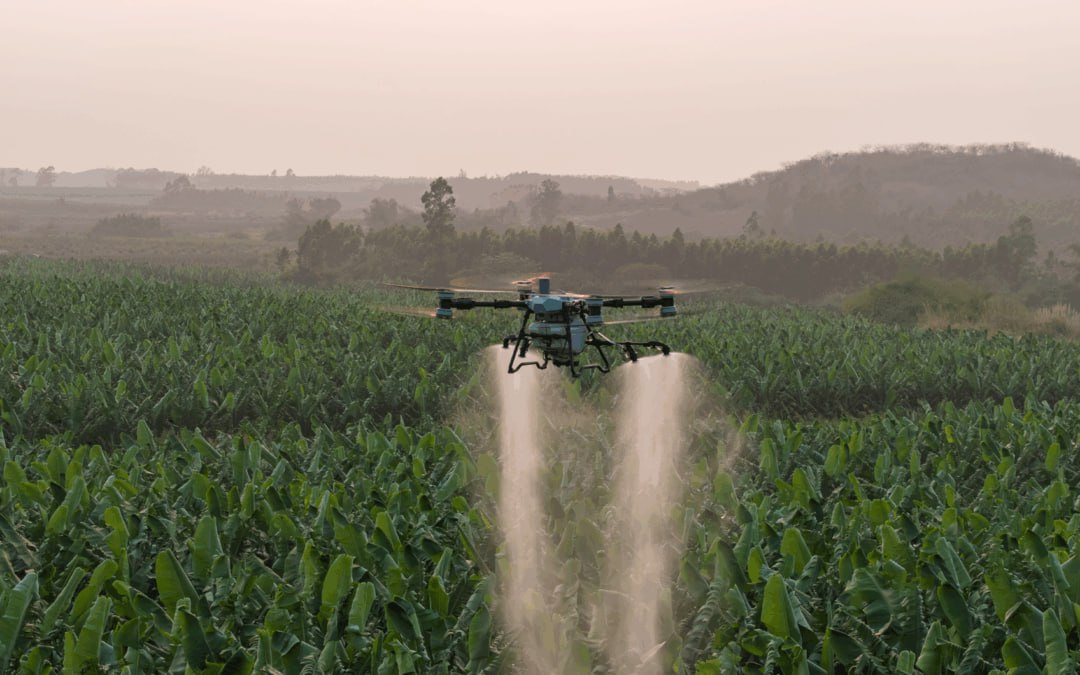
This post focuses on Canadian context (especially Ontario), and looks at liquid and solid fertilizer applications with a practical eye, not hype.
Where fertilizer drones fit in Ontario cropping
Ontario has a mix of:
- Field crops: corn, soybeans, winter wheat, spring cereals, canola.
- Specialty crops: processing tomatoes, potatoes, vegetables, sugar beets.
- Perennial crops: apples and orchards, vineyards, berries, ginseng.
- Forage and pasture: hay fields, alfalfa, mixed forage.
Ground rigs already do a lot of heavy lifting in broadacre fields. Drones tend to matter most when one or more of these is true:
- Access is limited: wet fields, drowned-out headlands, terraces, or steep/soft ground that bogs or ruts under spreaders.
- You need precision: small zones, tramlines, or test strips that don’t justify a full ground pass.
- Timing windows are tight: especially for topdress nitrogen or foliar products around rainfall or growth stages.
- You’re managing high‑value or sensitive crops: vineyards, orchards, vegetables, potatoes, where entry damage and compaction really hurt.
In those scenarios, drones become tools for targeted delivery, not replacements for every tonne of N, P, and K across the farm.
Liquid fertilizer applications – foliar and targeted feeding
Liquid applications by drone fall into a few broad categories:
- Foliar feeds and micronutrients
Zinc, boron, manganese, and other micros in corn, cereals, and specialty crops; foliar K or Ca products in potatoes, tomatoes, apples, and grapes. - Nitrogen supplements Light N top-ups on wheat, corn, or forage where ground rigs can’t safely enter. - High-value crop nutrition Vineyards and orchards where canopy-specific feeding and timing matter more than total tonnage.
Why a drone might be preferable for liquids
- Access during wet periods: topdressing wheat or corn where ground rigs would cause ruts or compaction in low areas.
- Canopy-specific application: orchards and vineyards where the target is up in the canopy rather than the soil surface.
- Small, irregular zones: tissue-test spots, trial strips, or stressed pockets where a small volume is justified.
How T100, T50, and T25P differ for liquids
All three platforms can carry spray kits with tank + plumbing, but they scale differently:
- DJI Agras T100 (heavy-lift):
Roughly 100 L spray-tank class in the standard configuration (per DJI specs). Designed for large fields and demanding slopes—think broadacre N supplements or larger orchard blocks. High flow rates support realistic topdress volumes when logistics and staging are set up.
- DJI Agras T50 (mid-size):
Smaller tank (around 40–50 L). Strong match for medium-size fields, terraces, or orchards where T100 is overkill. Easier staging footprint, still enough volume for meaningful foliar or N work on targeted acres.
- DJI Agras T25P (compact):
Designed around smaller tanks and lower all-up mass. Ideal for small, high-value blocks (vegetables, trial plots, small vineyards or orchards). Excellent for spot applications, on‑farm research, and "can’t get a rig in here" situations more than bulk N.
In liquid fertilizer work, the T100 behaves like a high-throughput sprayer, the T50 like a versatile all‑rounder, and the T25P like a precision scalpel.
Solid fertilizer applications – spreading urea, potash, and more
On the granular side, drones are being used for:
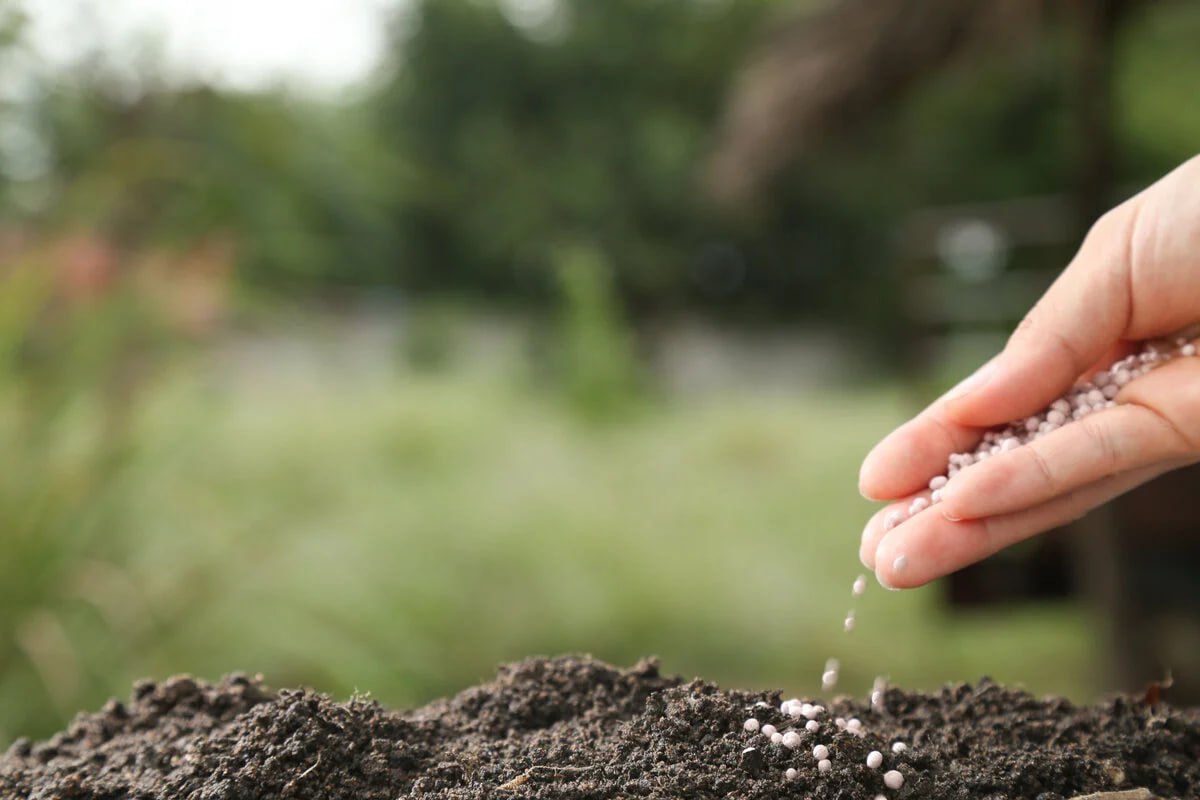
- Urea or blends on small fields, wet spots, terraces, and odd corners.
- Potash and sulfur on high-value or problem areas that need attention without running a spinner across the whole field.
- Micronutrient mixes in orchards, vineyards, and field crops.
- Cover crop seed in late seasons or spot remediation areas (e.g., drowned-out patches or erosion-prone slopes).
Traditional spreaders still dominate big, flat, dry fields. Drones shine in:
- Soft ground/low spots where heavy spreaders cause damage or simply sink.
- Steep slopes or terraces where traction and safety are issues.
- Strip or contour work where you want precise bands, not full-coverage passes.
- Patchwork topdress where only selected zones need extra product.
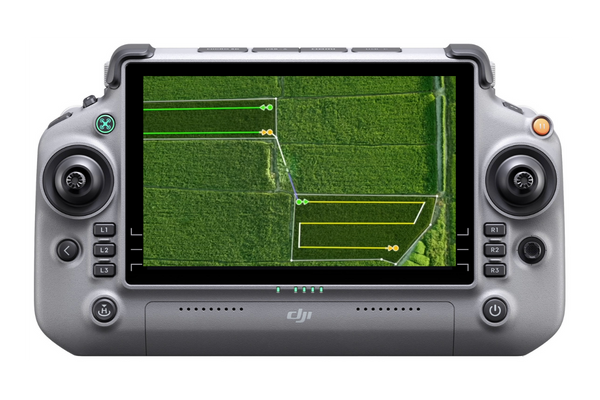
Spreading kit capabilities (T100, T50, T25P)
Each Agras platform can be fitted with a spreading system (hopper + metering + spinner), tuned for different throughputs and material types:
- Agras T100 Spreading System
Hopper capacity around 150 L / 100 kg class. High throughput spreading for urea and granular blends, larger cover crop seed, and fertilizer on steep slopes or hard-to-access land. Best suited for contractors or larger farms treating meaningful tonnage where ground gear struggles.
- Agras T50 Spreading System
Smaller hopper (still significant for field work). Fit for specialty crops (fruit, vegetables), terraces and moderate slopes, and targeted topdress on fields with mixed conditions. Easier to stage and operate for mixed farms.
- Agras T25P Spreading System
Compact hopper, optimized for small blocks of vegetables, orchards, or vineyards; spot work in field crops; and cover crop seeding in small or sensitive zones. Best where accuracy and access trump total tonnage per hour.
In all three cases, the spreading kit is about repeatability (calibrated mass flow, metering, and logged patterns), not just dropping product in the air.
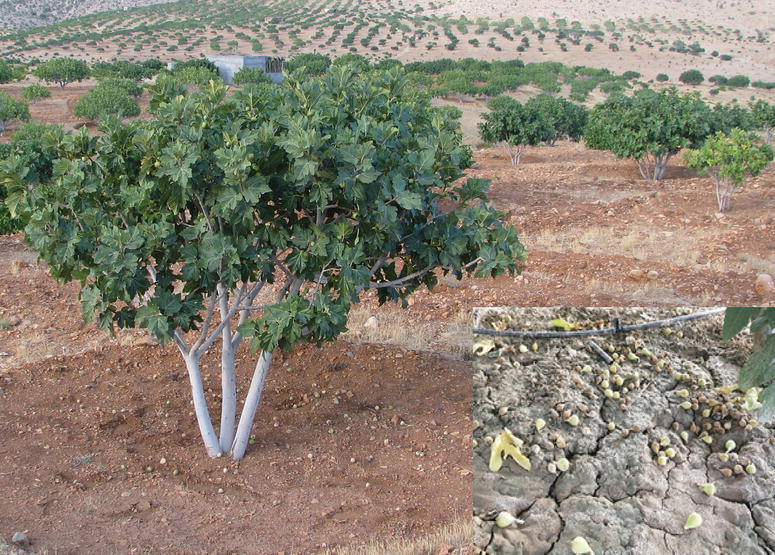
Comparison: T100 vs T50 vs T25P in fertilizer scenarios
1) Broadacre topdress (liquid or granular N) on "normal" fields
- Best fit: T100 (with a well-designed staging and mixing setup).
High tank/hopper capacity and flow rates mean fewer trips for meaningful N rates on mid‑sized fields. - T50/T25P: Better as tools for wet/soft patches, terraces, or trial strips rather than full-field work.
2) Steep slopes, terraces, and sensitive terrain
- Best fit: T50 and T25P, with T100 used selectively.
T50/T25P are easier to maneuver in tight headlands and steep/irregular terrain while still giving serious throughput; T100 can handle large, steep faces, but requires strong crew logistics and careful path planning.
3) Vineyards, orchards, and specialty crops (liquid feeds, micros, granular)
- Best fit: T50 and T25P.
T50 is a strong all-rounder for medium-to-large perennial blocks; T25P is ideal for precise block-by-block work, trials, and tight sites. - T100: May be used where vineyards/orchards are large and terrain supports its footprint, but often overkill for smaller perennial operations.
4) Patchwork and small-area remediation
- Best fit: T25P, sometimes T50.
Quick to stage and reposition; ideal for drowned-out spots, compacted headlands, and sand ridges needing targeted fertilizer or cover crop seed.
5) Multi-farm, contractor-style work
- Best fit: T100 + T50.
T100 handles the heavy throughput work across multiple clients; T50 fills the gaps in tricky blocks, terraces, and specialty areas.
Where SkyFlow and these products fit in
For growers and contractors looking at drone fertilizer work, three core platforms tend to cover most scenarios:
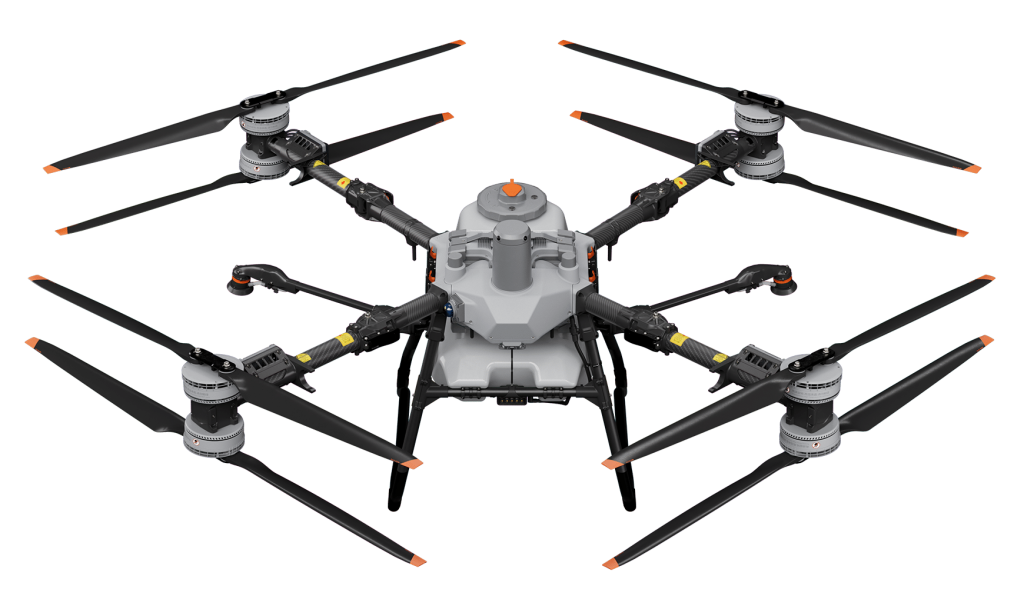
- DJI Agras T100 – heavy-lift platform for larger fields, steeper slopes, and contractor-scale throughput.
Ideal when you need to move serious volume of liquid or granular product and have strong crew logistics.

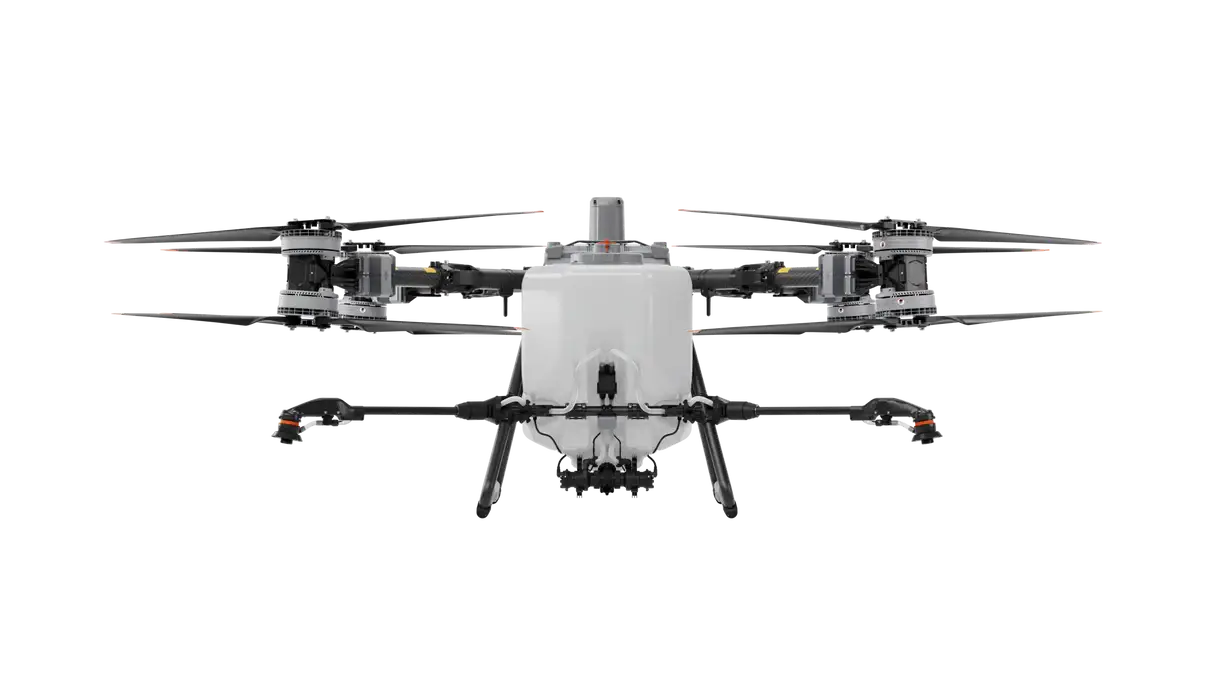
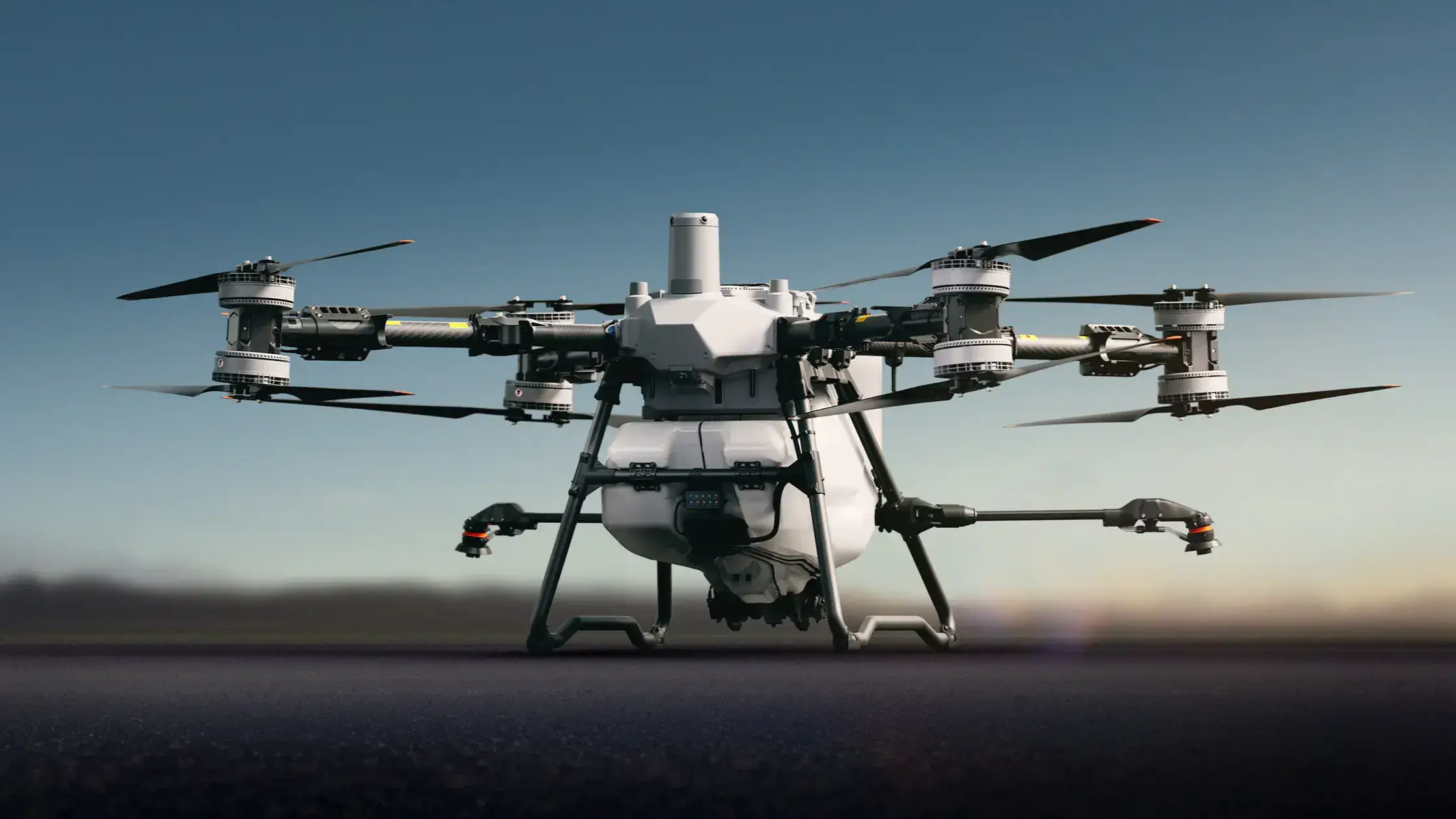
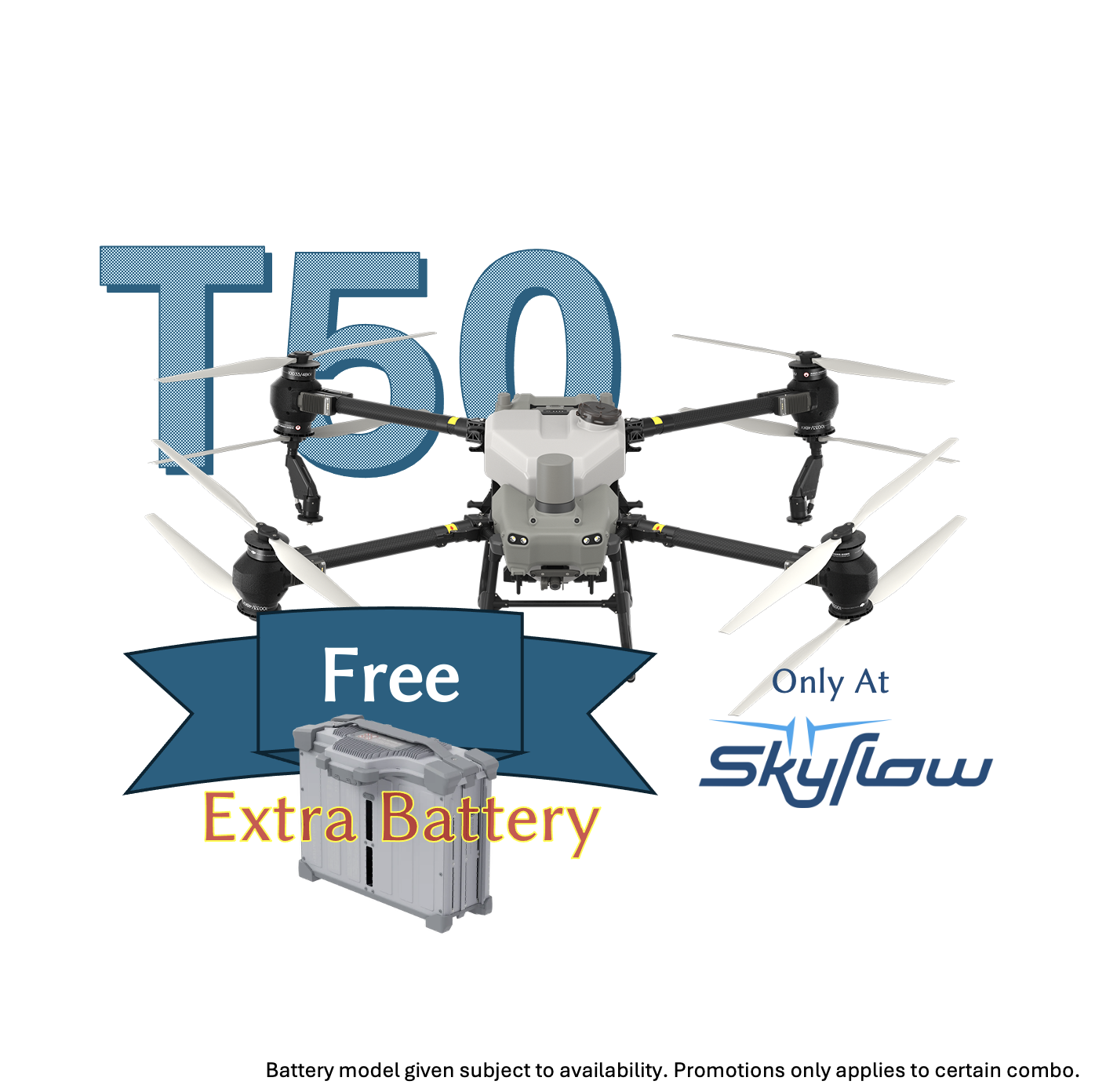
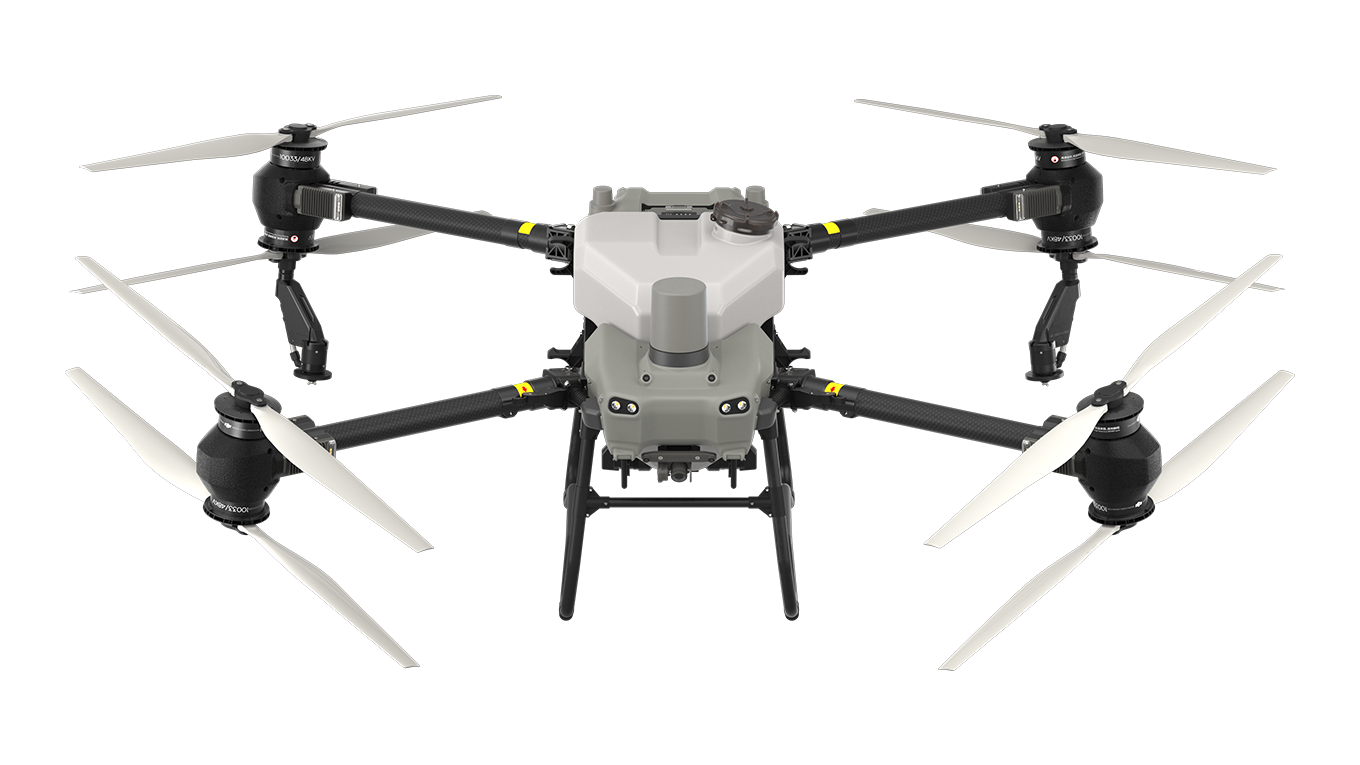
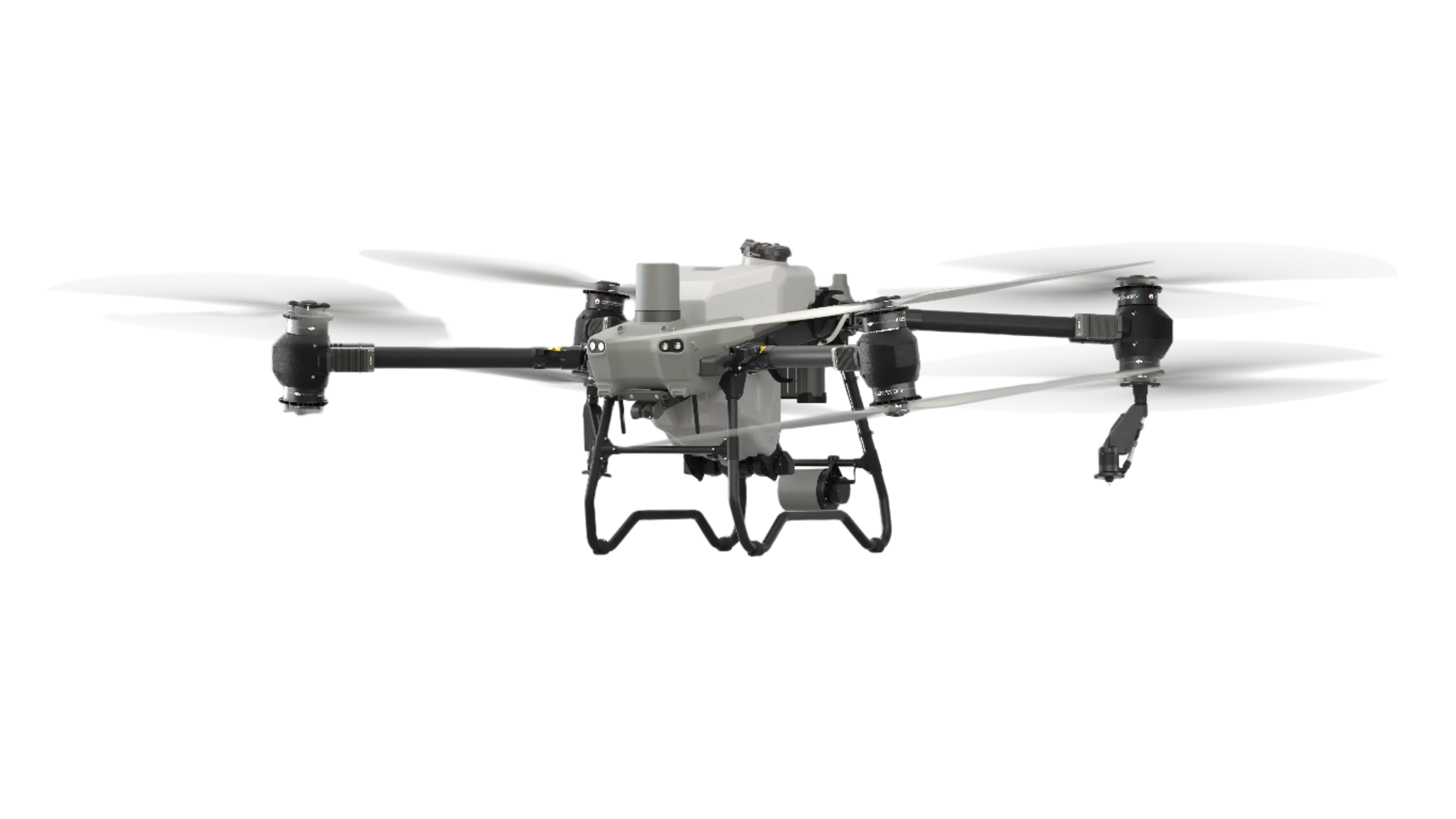
- DJI Agras T50 – versatile mid-size option that works well across mixed farms, orchards, and specialty blocks.
Often the most natural starting point for mixed field + perennial operations.
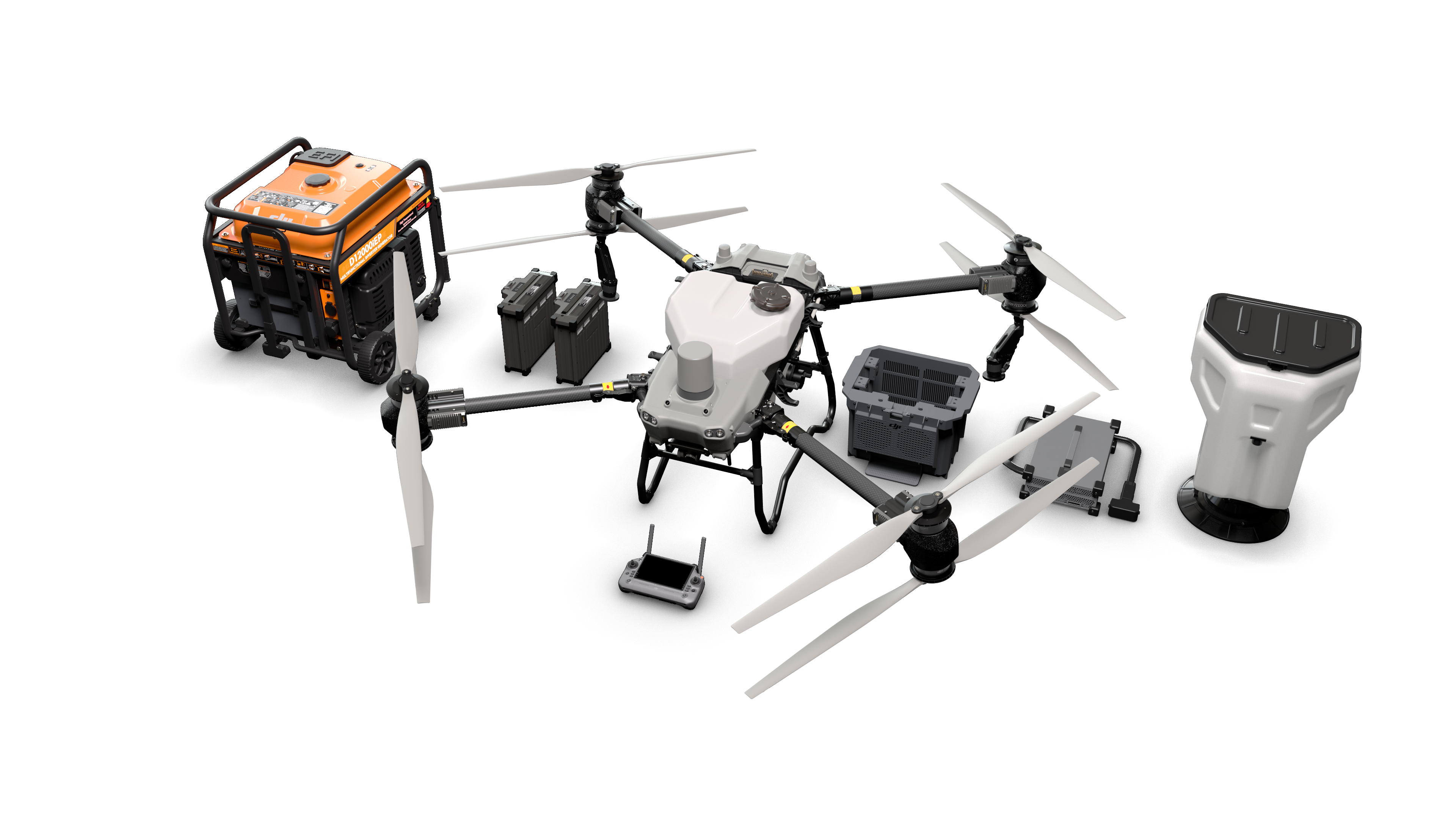
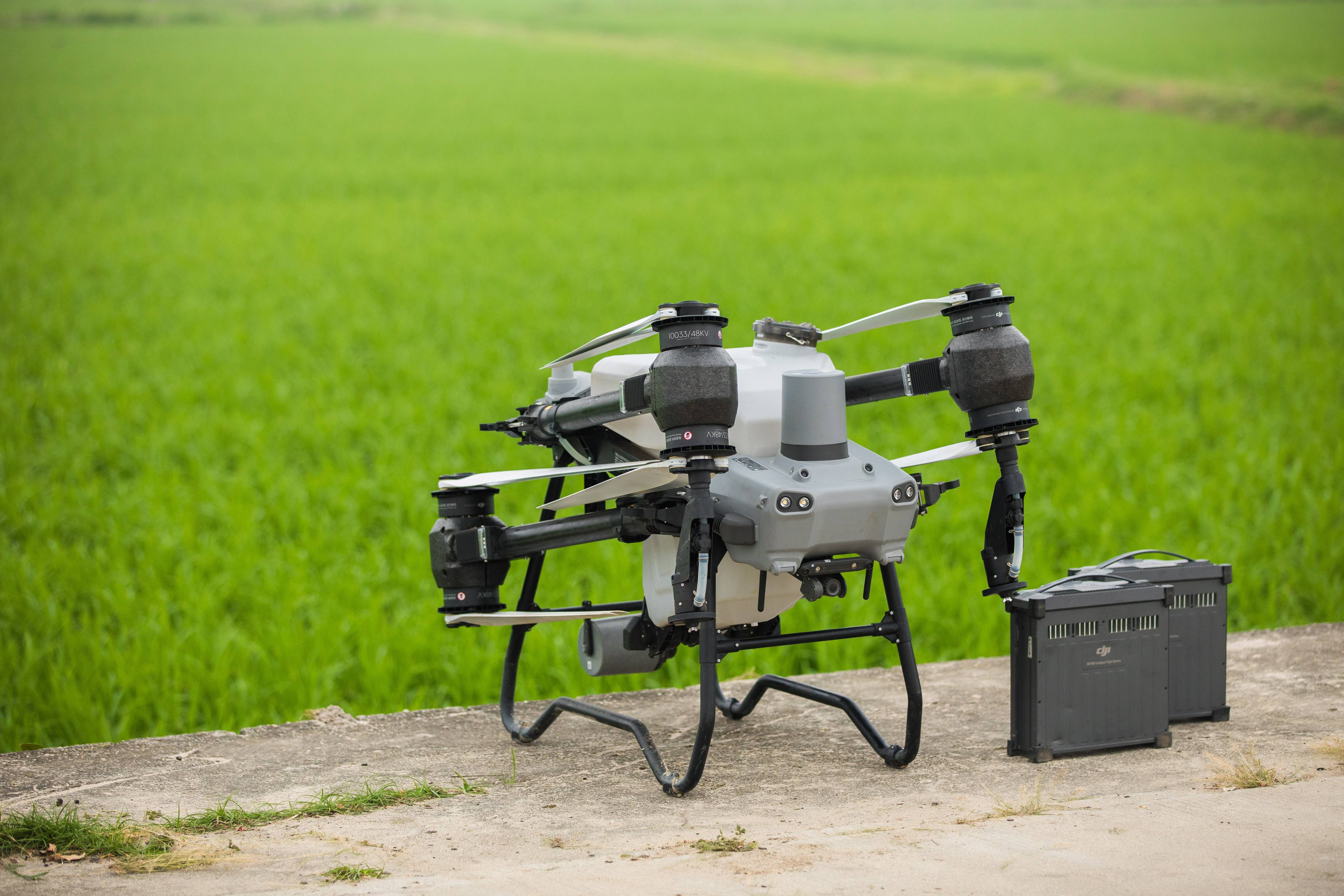
- DJI Agras T25P – compact platform for small blocks, test strips, and remediation work where access and precision matter more than tonnage.
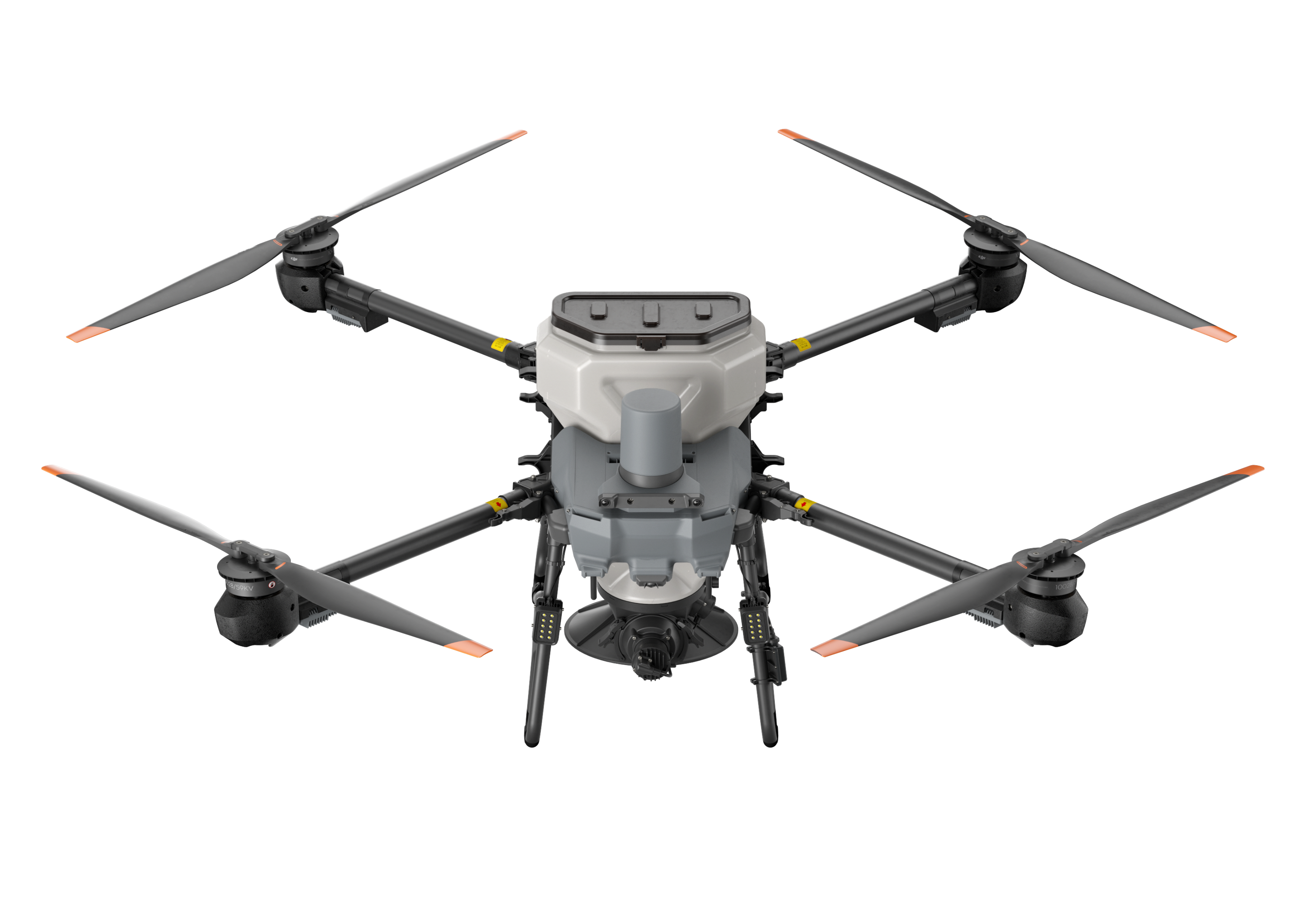
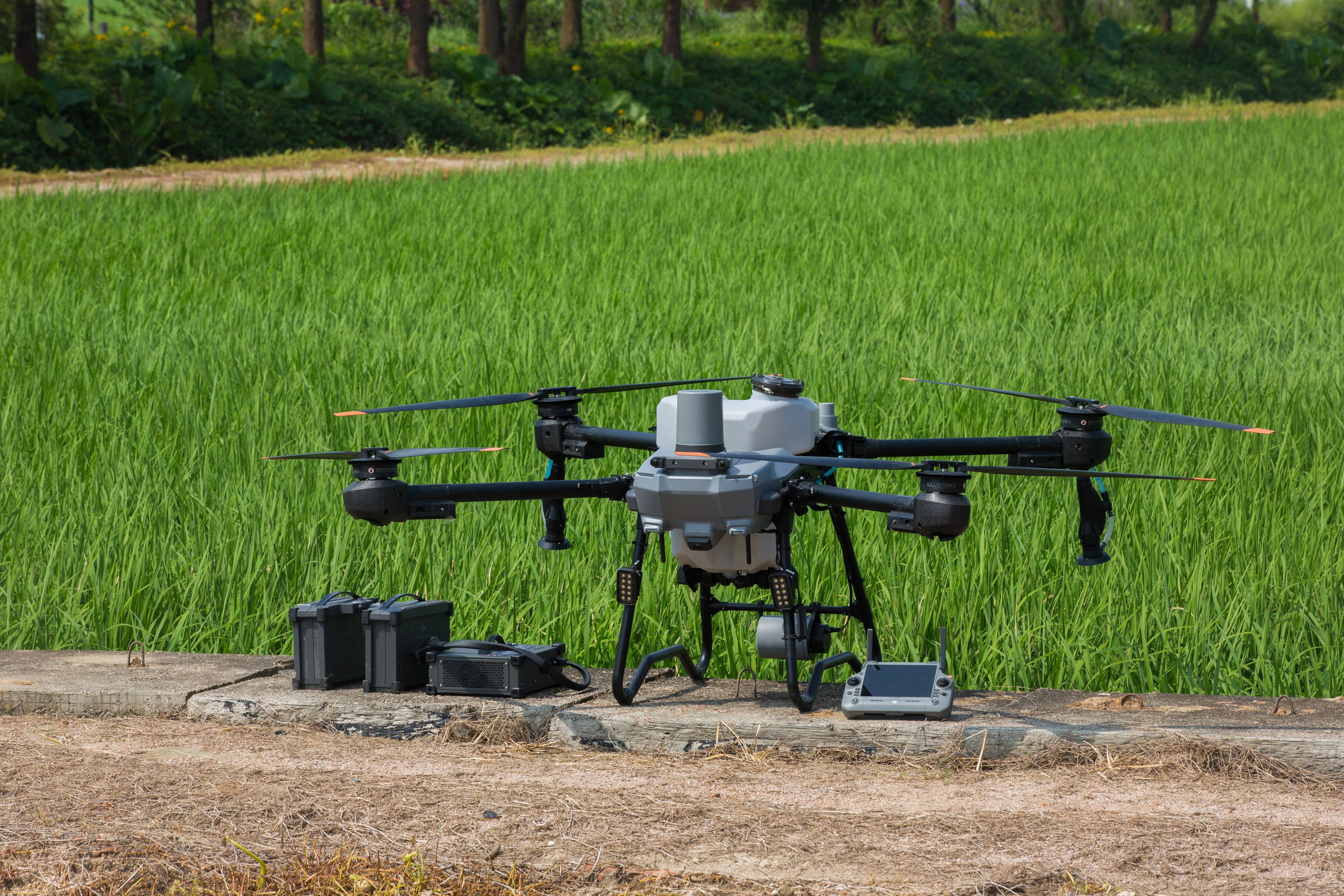
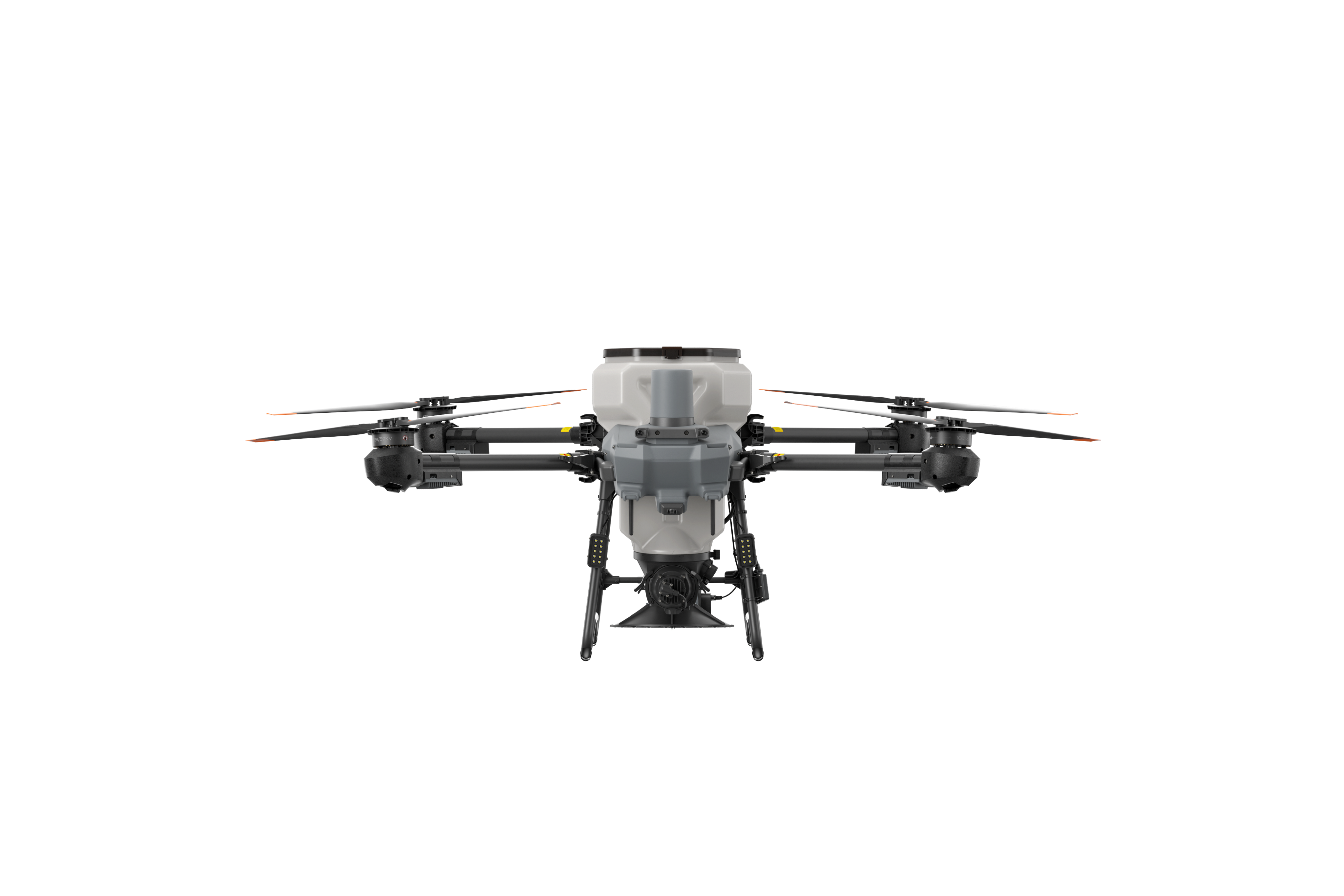
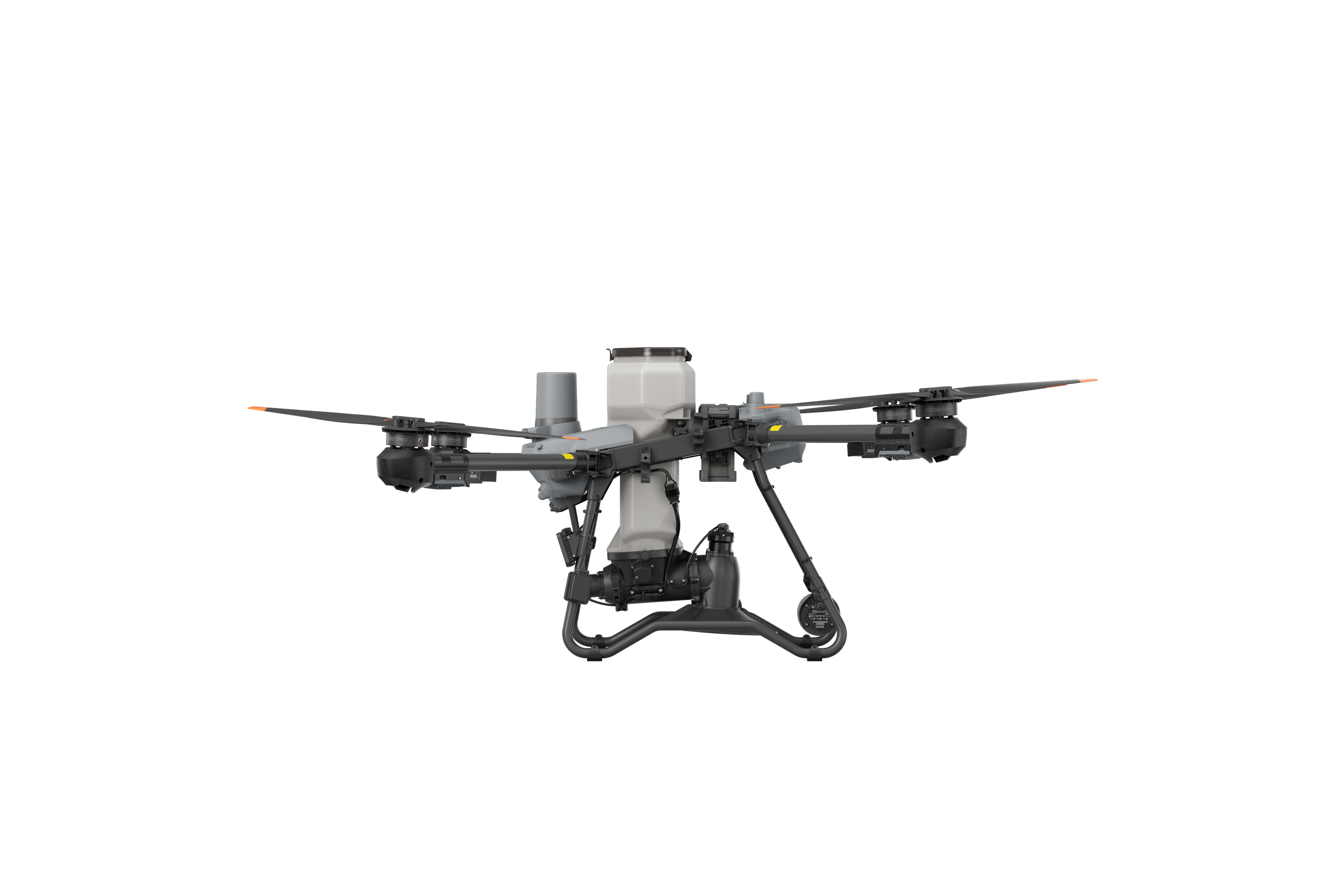
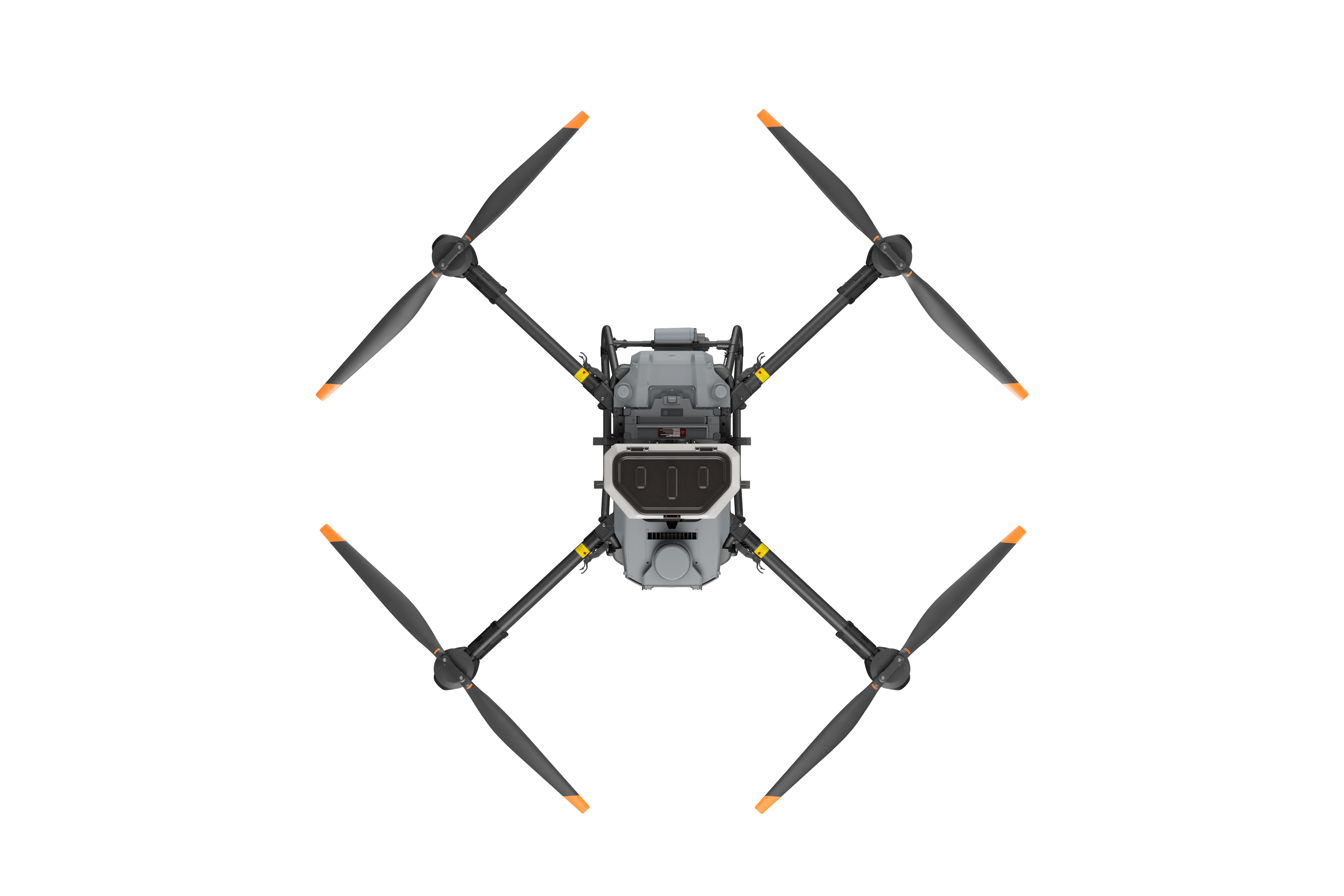
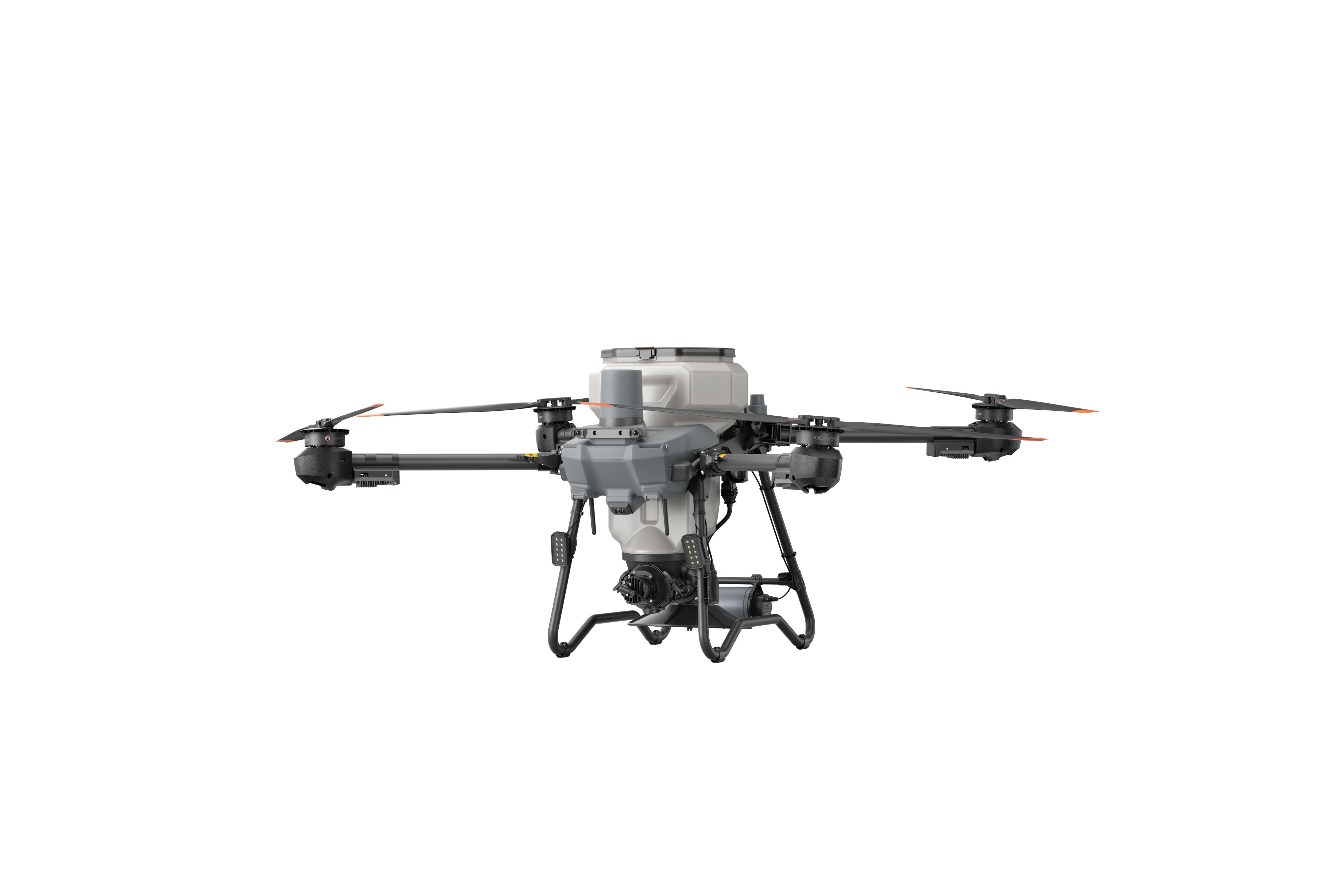
On the shop side, you can explore and compare these platforms using the product cards below:
- DJI Agras T100 – heavy-lift field and slope workhorse.
- DJI Agras T50 – flexible mid-size platform for mixed farms and specialty blocks.
- DJI Agras T25P – compact, high-throughput option for small blocks and remediation work.
For granular workflows, also keep an eye on the dedicated spreading systems:
- DJI Agras T100 150L Spreading System – 150 L tank, up to 400 kg/min discharge, 3–10 m width.
- DJI Agras T50 Spreading System – 75 L tank, 50 kg load, up to 108 kg/min with about 8 m spread width.
- DJI Agras T25P Spreading System – 30 L tank, 25 kg load, up to 190 kg/min for compact, one-person operations.
Practical workflow for drone fertilizer application
A high-level workflow that applies to both liquids and solids:
- Plan and classify fields
Map where drones add value—wet spots, terraces, edges, sensitive zones, or high-value blocks—and define what is drone-only vs drone + ground.
- Choose platform(s)
T100 when tonnage and scale dominate; T50 when flexibility and mixed-structure blocks dominate; T25P when precision and access dominate.
- Build and calibrate recipes
For liquids, match nozzle type, flow, and speed to label guidance and canopy/soil target. For solids, calibrate hopper output and spinner settings with pan or weigh tests.
- Execute with logs
Record flight paths, rates, and conditions. Use basic coverage checks (water-sensitive paper, visual checks, yield / plant response data) to refine over time.
- Review economics
Compare the cost of drone application vs ground (including compaction, time, and risk) on a per-scenario basis, not just per hectare.
Sources / References
- Ontario cropping context (field & specialty crops):
Ontario Ministry of Agriculture, Food and Rural Affairs (OMAFRA) crop profiles and acreage reports. https://www.ontario.ca/page/crops
- Spray/fertilizer drones and steep vineyard & orchard work:
“Spraying Effects of UAV Application on Droplet Effectiveness in Two Vine Trellis Systems of High-Slope Terrace Vineyards.” MDPI Plants, 2025. https://www.mdpi.com/2223-7747/14/10/1452
- Comparative drift and deposition (drone vs ground orchards):
“Spray Deposition, Drift and Equipment Contamination for Drone and Conventional Orchard Spraying Under European Conditions.” MDPI Agriculture, 2025. https://www.mdpi.com/2077-0472/15/23/2467
- Operational case – heavy drone + mixing station in grapes:
“Maximize Spray Efficiency: The Agras T50 & Drone Cone Mixing Station Integration.” Avary Drone, 2025. https://avarydrone.com/blogs/learn/maximize-spray-efficie…
- General DJI Agras platform capabilities (liquid + solid):
DJI Agras product documentation and marketing materials (T100, T50, T25P). https://www.dji.com/agras
What do you need next?
Two quick paths: book spraying/scouting services, or explore ownership/financing options for drones and parts.
Get drone spraying, precision scouting, and variable-rate applications across Ontario. Fast scheduling and pro operation.
Browse drones, parts, and accessories. If you want a demo or need help choosing, we’ll guide you to the right setup.