We get seed on the ground, not stuck at the gate.
SkyFlow is a full-service aerial seeding crew. Licensed pilots plan the job, fly cover crops, pasture, and bare spots, and hand you grant-ready records — you never touch a drone.
Call or text (705) 834-6666 — we answer during the seasonTop application rate
Fleet coverage
Flight height
Wheels on your soil
Weeks earlier.
Fly cover crop seed into standing corn and beans, long before the combine rolls.
No compaction.
The drone never touches the soil, so nothing gets packed down.
The wet acres too.
Soft ground, waterways, and flooded holes still get seeded.
Six jobs, one drone.
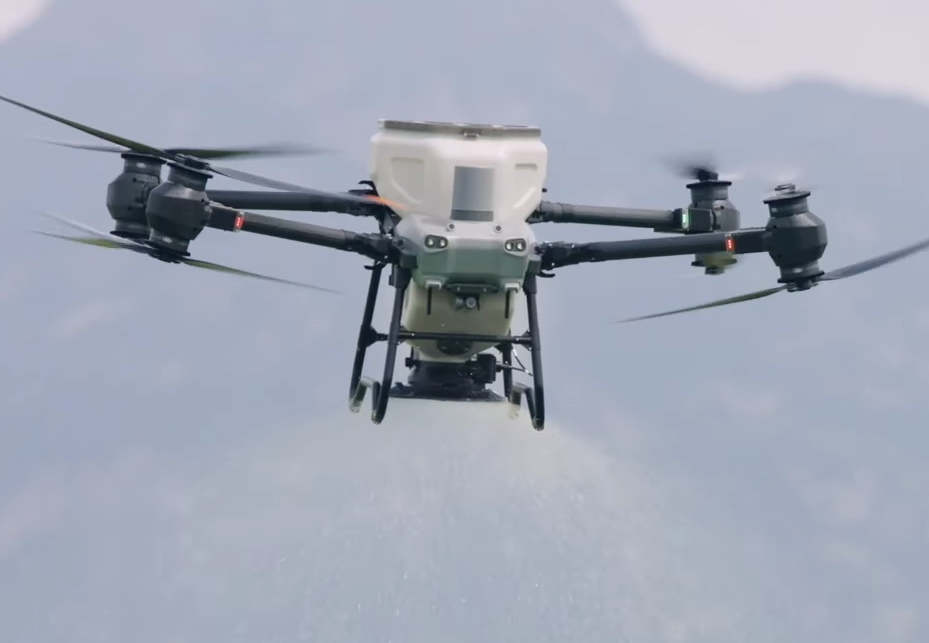 Fewer passes
Broadcast seeding
Seed bare or worked ground fast, corners and headlands included.
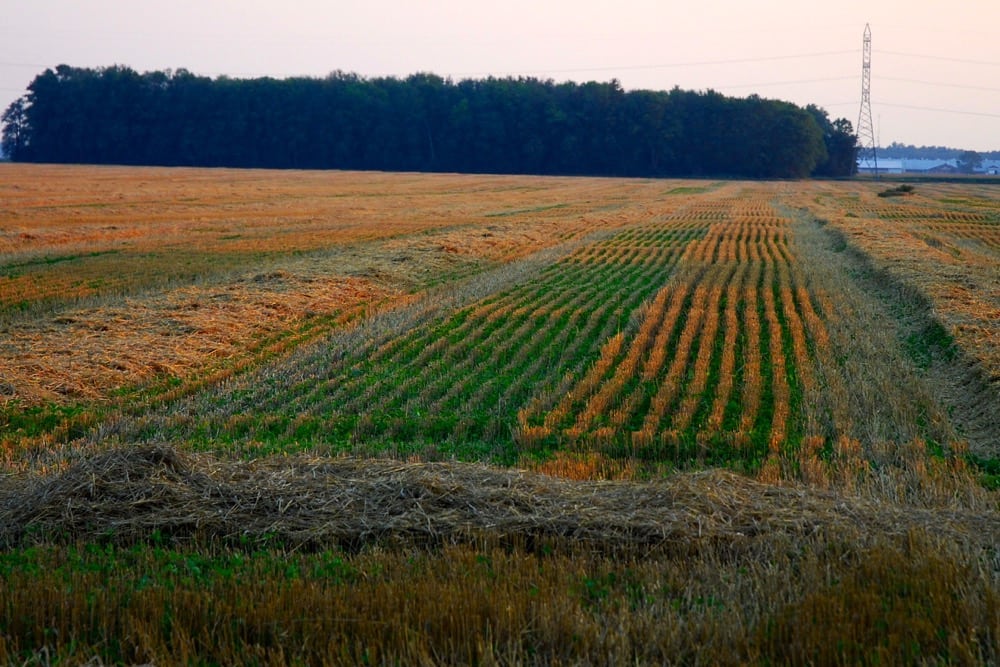 Weeks of extra growth
Cover crops
Interseed into standing crop, so the cover is up and holding soil before winter.
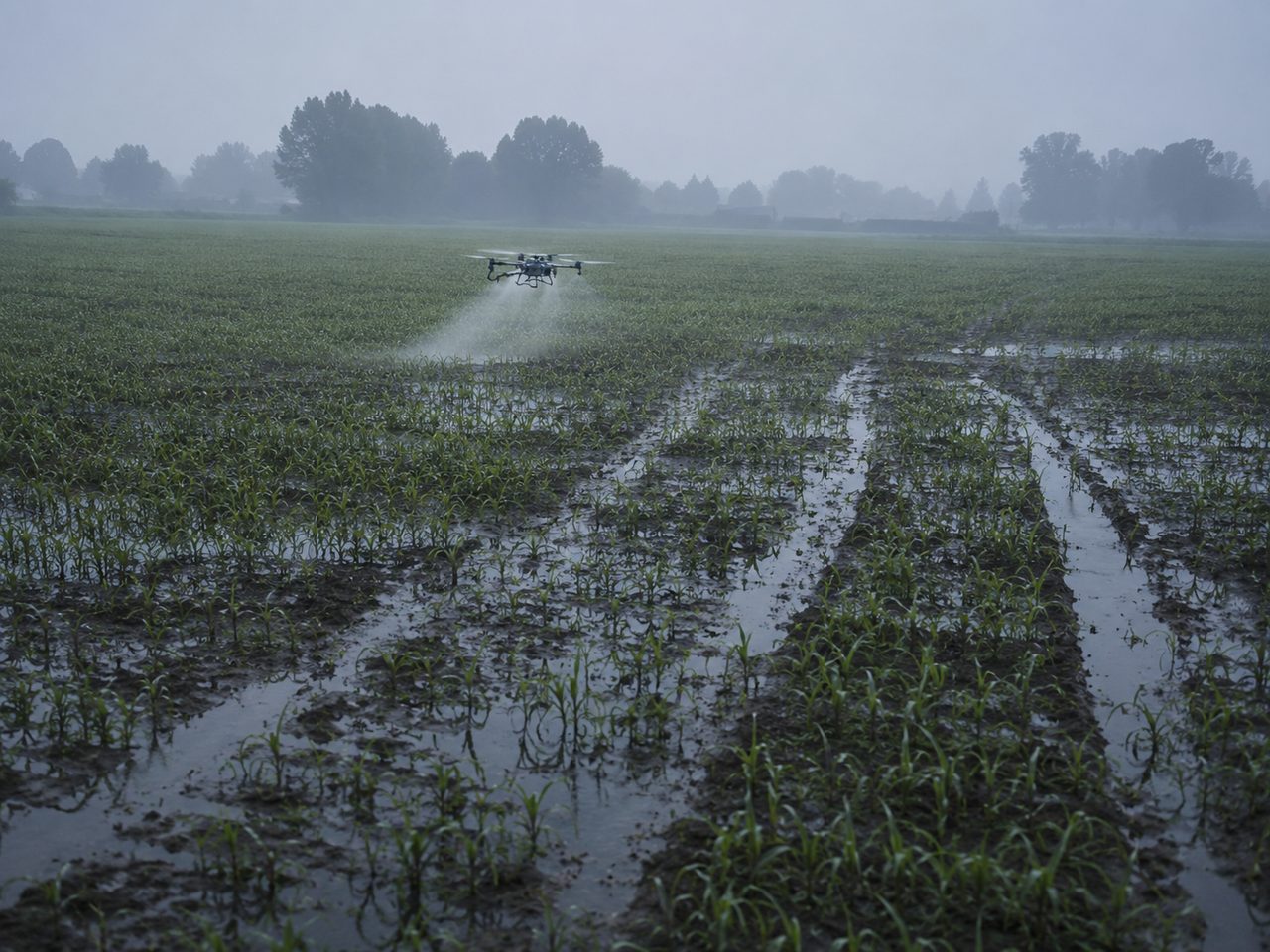 Fly when it is too wet
Wet-ground and flood restoration
Seed soft, flooded, or storm-hit fields while a drill sits parked.
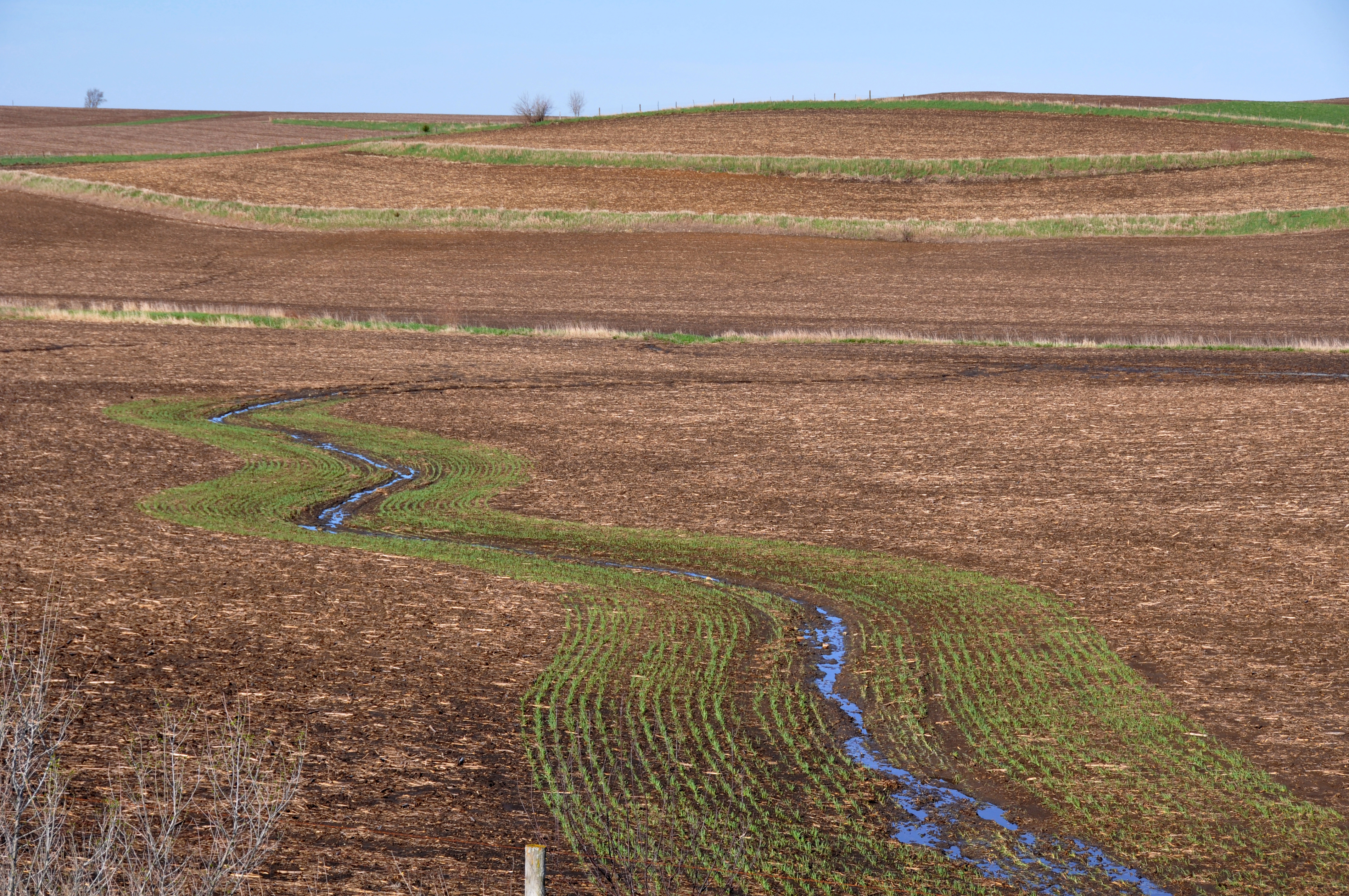 Reaches tough spots
Erosion control and waterways
Cover slopes, grass waterways, and field edges before bare soil washes.
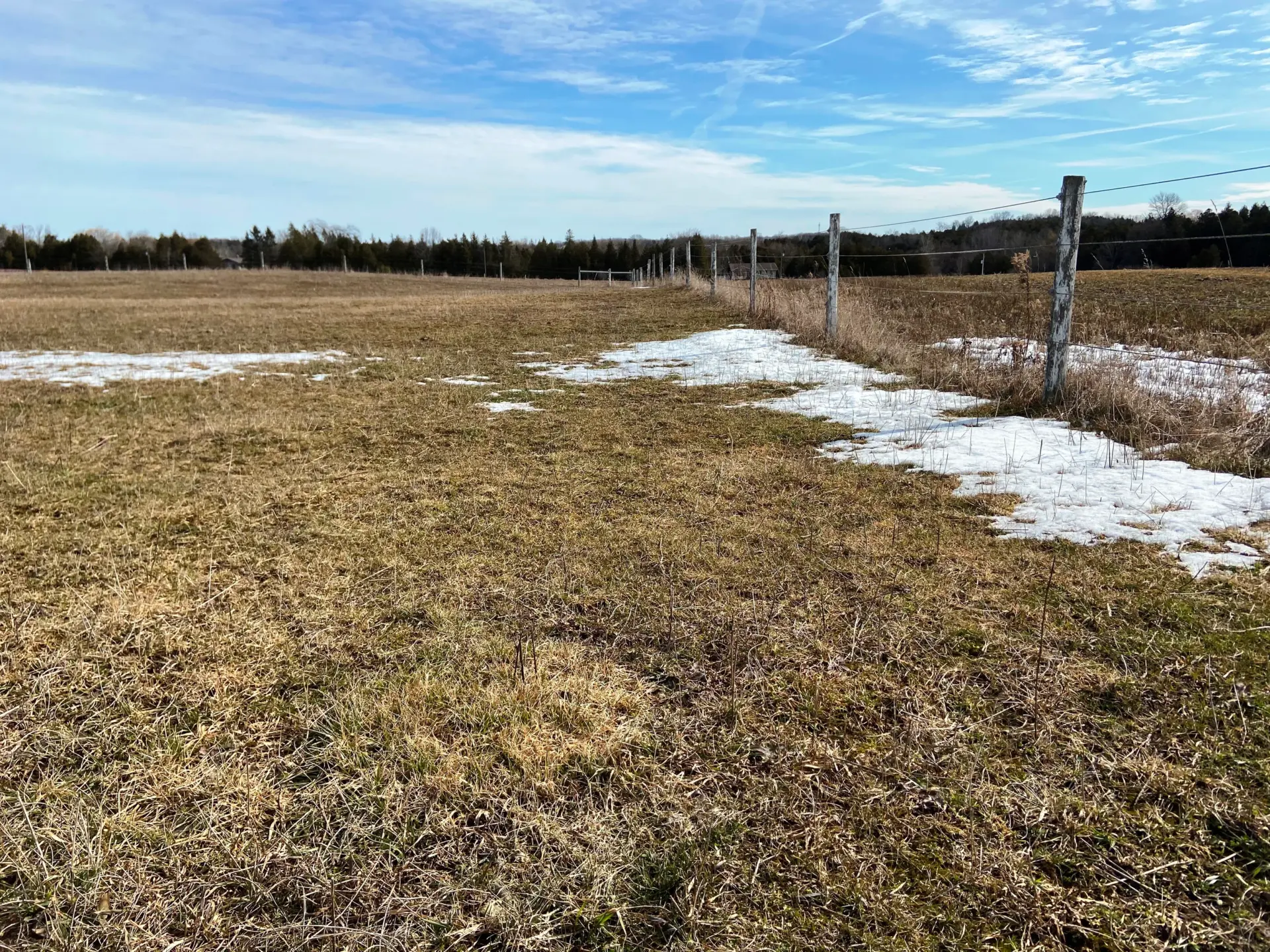 No tillage
Pasture and forage
Thicken thin stands with no tillage, including frost seeding on firm ground.
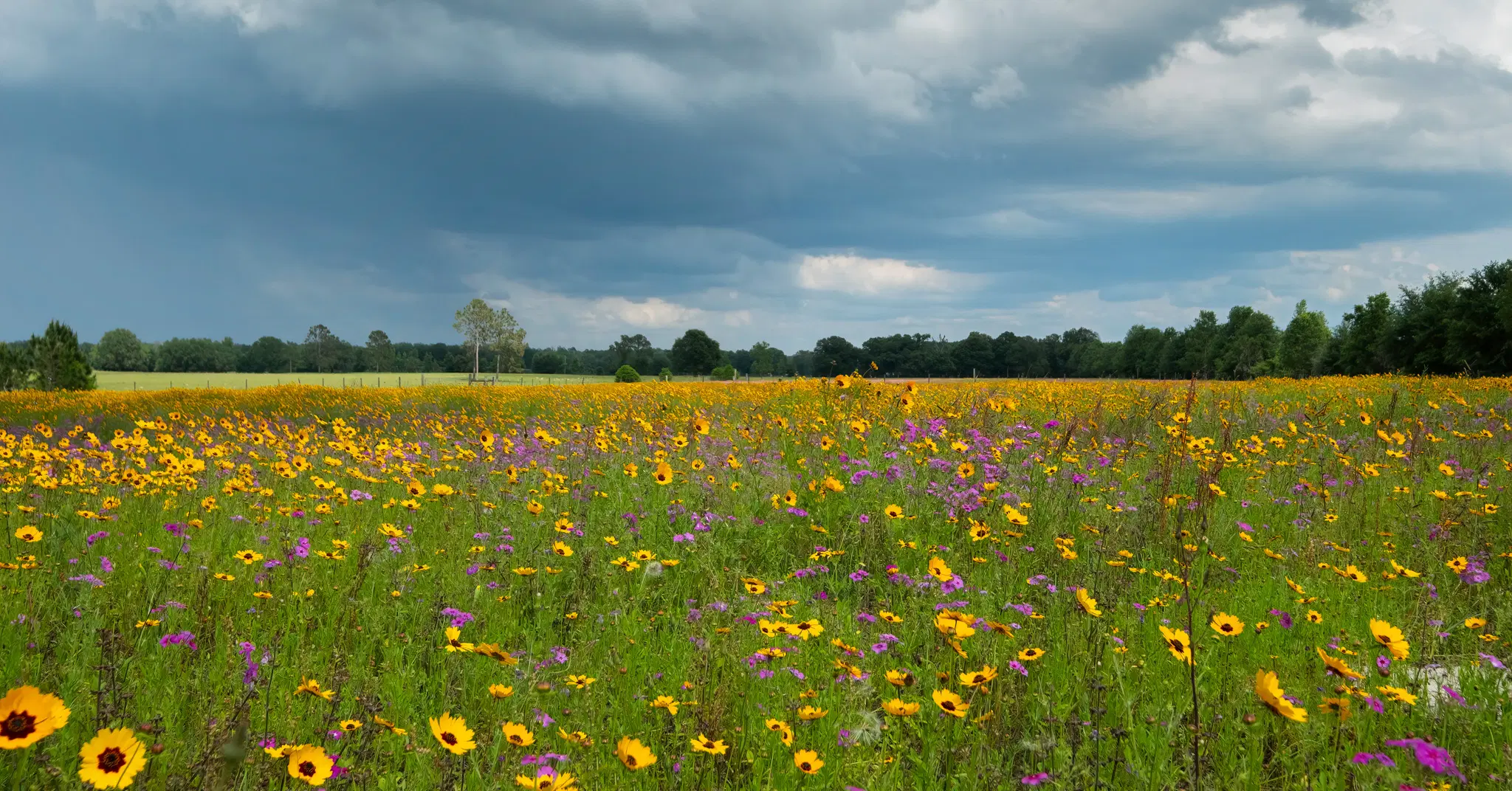 Marginal land
Native and pollinator
Establish grasses and wildflowers on marginal or fragile acres.
Why a drone beats the ground rig.
No compaction
It flies above the field. No tracks, no packed soil.
Into standing crop
Seed the cover early and buy weeks of season.
Tough spots
Waterways, slopes, wet holes, and tree lines.
No dry-field wait
Soft ground stops a drill, not a drone.
Even, mapped rate
RTK lines keep the rate steady across the field.
The drone is good. The crew behind it is why farmers call back.
Anyone can buy a drone. SkyFlow sells the whole job: planning, compliance, flying, and the paperwork that makes your grant claim easy. That is what a drone seeding service in Ontario should look like.
A crew, not a rental
Licensed Transport Canada pilots plan the job, fly it, and hand you the records. You never touch a controller or a permit.
An 8-aircraft fleet
Three DJI Agras T50s, three T100s, and two Q100s. If one machine is down or the window is short, the job still gets done on time.
2,000+ acre programs to family farms
We run large multi-farm seeding programs and still take the 10-acre pasture job. Same crew, same care, same records.
Grant-ready paperwork
Every job comes with coverage records: what was seeded, where, and at what rate. Built for OFCAF and OSCIA cost-share claims.
Insured and compliant
Fully insured operations flown inside Transport Canada rules, with RTK flight logs to back up every acre.
One provider, every pass
Seeding, spraying, fertilizer, and multispectral scouting from one team, so your whole season stays coordinated.
Drone, plane, or drill?
Drone
$20 /ac + seed
Wins on wet, small, or odd fields. No compaction, and it seeds into standing crop.
Airplane
Big acres
Very fast on large open ground, but it will not travel for a small block or reach terraces.
Drill
Dry only
Great seed to soil contact, but it needs firm ground and time in a busy harvest window.
The numbers behind an even spread.
Application rate
Route spacing
Height
Disk speed
Flight speed
Fleet coverage
Disk at 1000 to 1100 RPM, flight at 15 to 20 ft/s.
From call to coverage.
- 01
Walk the field
We check crop stage, access, and the wet or rough spots.
- 02
Set rate and lines
Rate, swath, and RTK flight lines are locked in.
- 03
Fly it
The drone broadcasts on plan, corners and wet holes too.
- 04
Coverage records
You get notes on what, where, and how much.
Jobs we have already flown.
We document our work so you can see exactly how we operate before you book.
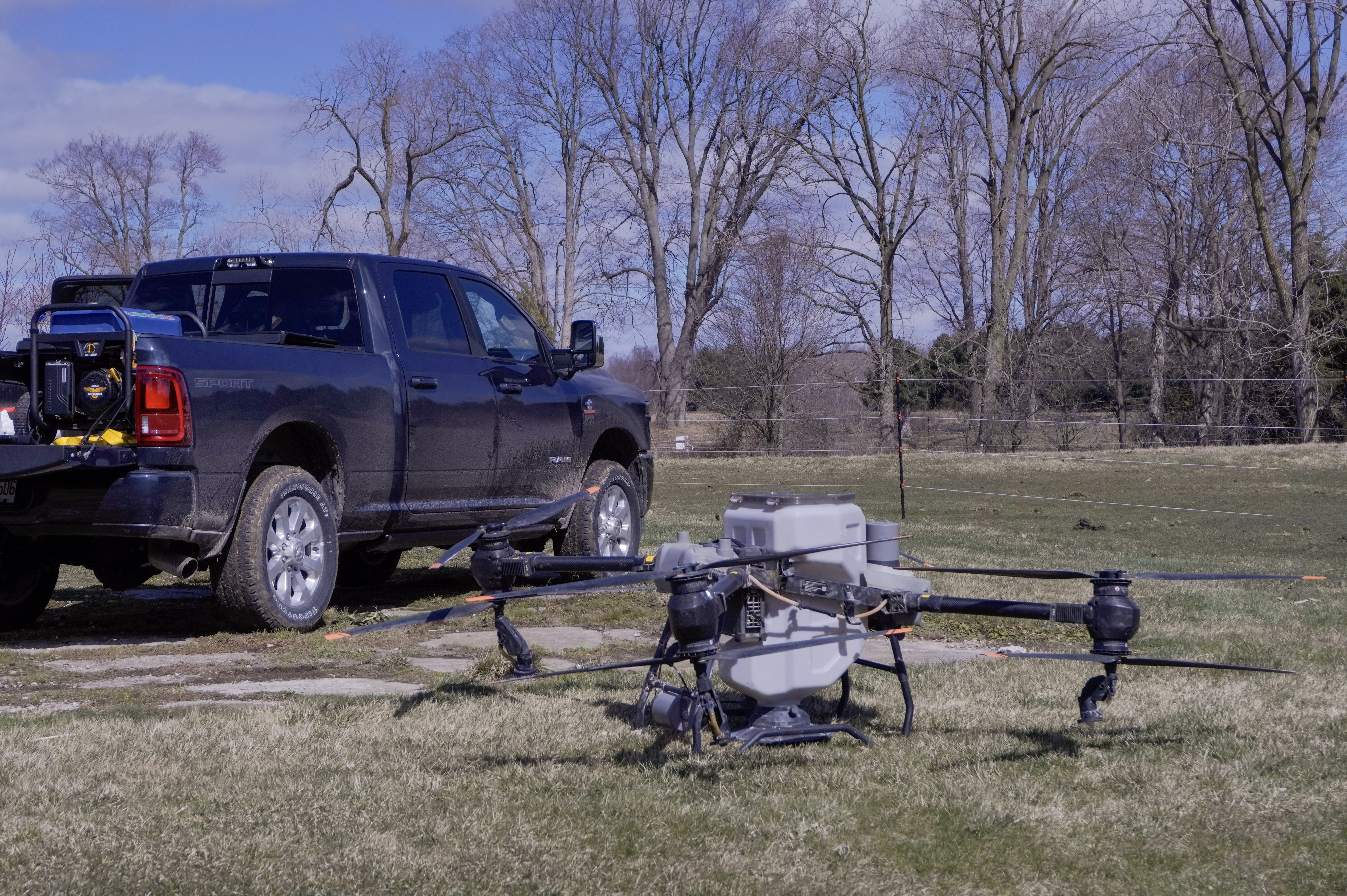 March 2026 · West Elgin, ON
Frost seeding a hilly West Elgin horse pasture
Rolling terrain, paddock fencing everywhere, soft snowmelt ground, and trees jutting into the field. Our T50 crew flew over all of it and had clover down before a ground rig would have been hitched up.
Read the field report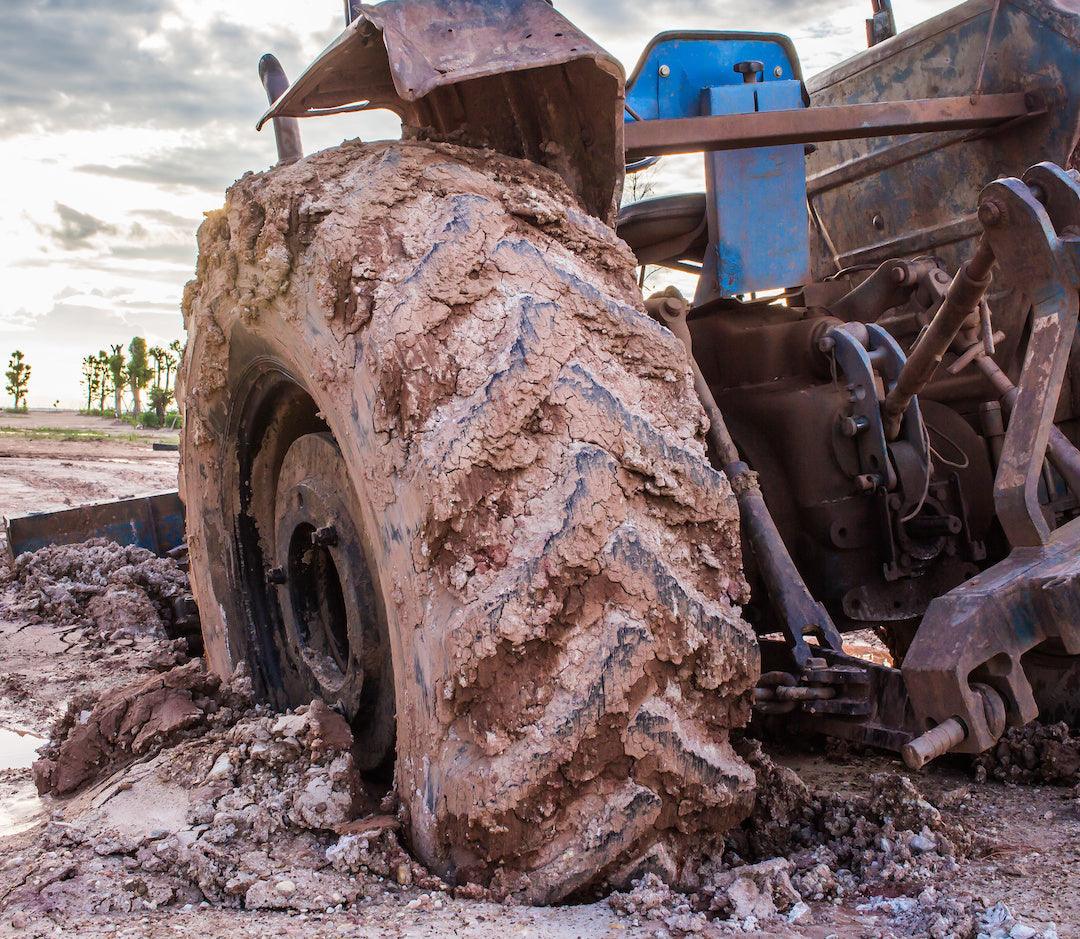 Field notes · Ontario
Applications when fields are too wet to drive
Muddy Ontario springs park ground equipment for weeks. Our crews keep seeding and application windows open by flying instead of driving — read how we approach saturated fields.
Read the field report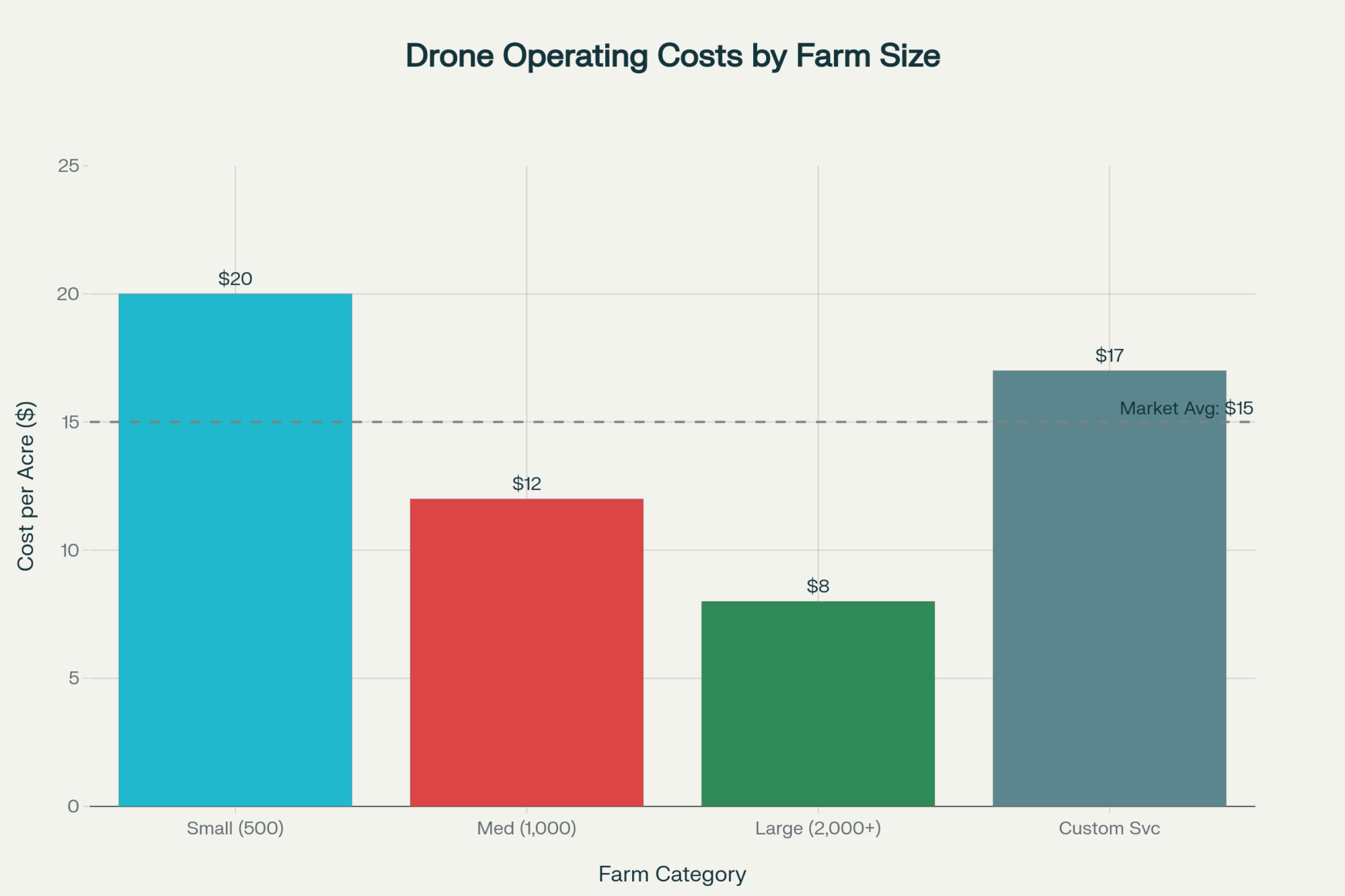 Pricing guide
What custom drone work really costs per acre
We published our honest breakdown of Ontario per-acre pricing, minimums, and what should be included in a quote, so you can compare us apples-to-apples.
Read the field reportSeed we put down.
Grants fund the practice.
OFCAF cover cropping (via OSCIA)
Cost-share up to 65% (75% for new applicants), to a maximum of 30,000 dollars per project. Planting equipment can qualify for 50%.
On-Farm Climate Action Fund (federal)
The federal fund behind OFCAF, backing cover crops and soil health practices.
Agricultural Stewardship Initiative
Sustainable CAP cost-share for soil and water practices, with more support in the Lake Erie and Lake St. Clair areas.
ALUS
Annual payments for seeding marginal or fragile land to grass and habitat.
Program rules, amounts, and intake windows change through the year. Confirm current details with OSCIA or the program administrator before you apply.
Questions, answered.
- What is drone seeding?
- A heavy-lift drone carries seed and broadcasts it over the field from the air with a spinning disk. It covers ground fast and does not drive on the soil.
- Is this a rental, or do you do the work?
- We do the work. SkyFlow is a full-service operation: our licensed pilots plan the job, fly it, and hand you the records. You never touch a drone, a battery, or a permit.
- Is drone seeding proven in Ontario?
- Yes. Ontario growers already drone-seed cover crops like red clover into winter wheat and rye into standing corn, and an OSCIA-administered Living Lab project is studying drone seeding to extend the cover crop window through 2027.
- What can you seed with a drone?
- Cover crops, grasses and forages for pasture and hay, grass for waterways and slopes, and native or pollinator mixes. Most small and medium sized seed works well.
- Can you seed cover crops into standing corn or soybeans?
- Yes. Flying seed into a standing crop is one of the main reasons growers call. The cover starts weeks before harvest, so it is up and holding soil going into winter.
- How much seed can the drone put down per acre?
- We run rates from 1 lb per acre up to 100 lb per acre, set to your seed and your target.
- How fast is drone seeding?
- Our fleet covers about 100 acres per hour at a normal rate. Speed depends on the rate, the field, and reloading.
- How much does drone seeding cost per acre?
- Aerial seeding usually runs near 20 dollars per acre plus the cost of your seed. We give a firm price once we see the field and the plan.
- Is a drone cheaper than a drill?
- A drill can be a bit less per acre on dry, open ground. A drone wins when the field is wet, the crop is standing, or the acres are small and awkward, because it seeds when a drill cannot and skips the compaction.
- Drone or airplane for cover crops?
- An airplane is faster on large open fields. A drone is easier to move, reaches terraces, waterways, and wet spots, and is worth calling for smaller or tricky blocks.
- Does the drone compact my soil?
- No. It flies above the field, so there are no wheel tracks and no packed ground. That helps water soak in and keeps roots happy.
- Can you seed a wet or flooded field?
- Yes. Soft ground stops a drill but not a drone. This is a common reason growers reach out after heavy rain.
- Can you seed grass waterways and slopes?
- Yes. Waterways, steep slopes, and field edges are easy to reach from the air, so bare soil gets covered before it washes.
- Can you restore storm or flood damaged areas?
- Yes. We can put grass or a cover mix onto damaged spots quickly, without waiting for the ground to carry equipment.
- Can you overseed pasture and hay?
- Yes. We thicken thin stands by broadcasting over the top, with no tillage.
- What is frost seeding and can a drone do it?
- Frost seeding drops seed onto firm, frosty ground so the freeze and thaw work it in. A drone can broadcast the seed evenly, even over a light snow.
- Can you seed native grasses and wildflowers?
- Yes. We establish native and pollinator mixes on marginal or hard to reach acres.
- How even is the coverage?
- We fly RTK flight lines with set spacing and overlap, so the rate stays consistent across the whole field.
- What is the swath width?
- Route spacing runs 30 to 35 feet. Into a thick standing crop we tighten it so seed still reaches the ground.
- How high does the drone fly when seeding?
- About 25 feet above the ground, which keeps a clean, even spread.
- How fast does the drone fly?
- Usually 15 to 20 feet per second, pushed as high as the field and the rate allow.
- Will broadcast seed germinate without being worked in?
- Broadcast seed needs moisture and good contact, so timing before a rain matters. Into a standing crop or ahead of a rain, cover crops establish well.
- When is the best time to seed a cover crop by drone?
- Early is better. Getting seed on before harvest, and before a rain, gives the cover the best start.
- Do you give me a record of the job?
- Yes. You get notes on what was seeded, where, and at what rate, which is handy for planning and for grant paperwork.
- Are there grants for cover crop seeding in Ontario?
- Yes. OFCAF cover cropping is cost-shared up to 65% (75% for new applicants) to a maximum of 30,000 dollars per project, delivered by OSCIA. Other programs like the Agricultural Stewardship Initiative and ALUS can also apply.
- Can drone seeding count toward those programs?
- The practice, cover cropping, is what the funding supports. Our coverage records help you show the work. Always confirm the current rules with the program administrator.
- What areas do you cover?
- We serve farms across Ontario. Tell us your location and we will confirm scheduling.
- Is there a minimum field size?
- Small and odd-shaped fields are a good fit for a drone. Reach out with your acres and we will sort out a plan.
- Do I need a licence to have you seed my field?
- No. Our crews hold the pilot certificates and follow the rules. You just point us at the field.
- How do I book?
- Send us the field, the crop stage, and the seed you want down. We will build a plan and a price, then get you on the schedule.
Ready to seed those acres?
Tell us the field, the crop stage, and the seed you want down. Our crew builds the plan, flies the job, and hands you the records.
Call or text (705) 834-6666