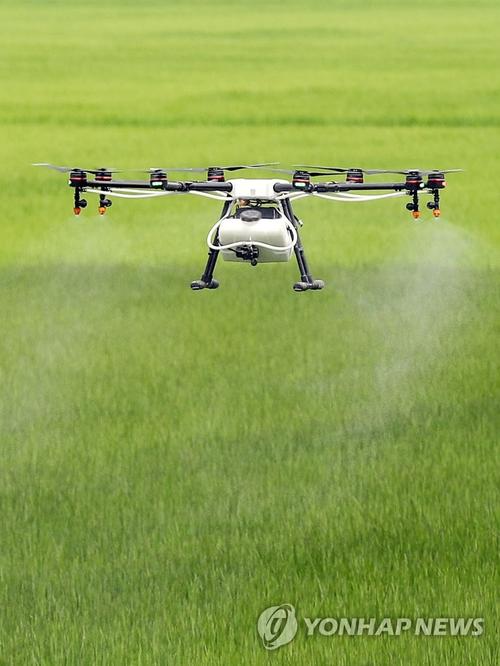
The 2026 Guide to Drone Spraying Regulations in Ontario: What Farmers Need to Know
Drone technology is no longer the stuff of science fiction; it's rapidly becoming an indispensable tool in modern agriculture. From crop monitoring to precision seeding, drones are revolutionizing the way farmers manage their operations. One of the most talked-about applications is drone spraying, which promises targeted, efficient, and timely application of pesticides and other crop inputs. However, navigating the regulatory landscape can be a significant challenge for farmers in Ontario and across Canada. This guide provides a comprehensive overview of the drone spraying regulations in 2026, with a special focus on what Ontario farmers need to know to stay compliant and competitive.
As a leader in agricultural drone technology, SkyFlow is committed to helping farmers harness the power of drone spraying safely and effectively. This guide will walk you through the federal and provincial rules, recent changes, and practical steps you need to take to get started.
The Big Picture: Federal Regulations
In Canada, the regulation of drone spraying is a shared responsibility between two key federal agencies: Transport Canada and Health Canada's Pest Management Regulatory Agency (PMRA). [1]
Transport Canada: The Rules of the Sky
Transport Canada is responsible for the safety of all aviation in Canada, including Remotely Piloted Aircraft Systems (RPAS), or drones. Their regulations focus on the drone itself, the pilot, and the flight operations. To operate a drone for agricultural spraying, you'll need to be a certified drone pilot. Here's a breakdown of the pilot certifications: [2]
- Basic Operations: For flying in uncontrolled airspace and away from bystanders.
- Advanced Operations: For flying in controlled airspace, near bystanders, or over people.
- Level 1 Complex Operations: A newer certification for lower-risk Beyond Visual Line-of-Sight (BVLOS) operations, which is particularly relevant for agricultural spraying over large fields. [3]
Recent amendments to the Canadian Aviation Regulations have streamlined the rules for BVLOS operations, making it easier for farmers to use drones for tasks like crop spraying. We'll delve into these changes in more detail later in this guide.
Health Canada (PMRA): The Rules on the Ground
While Transport Canada governs the drone's flight, the PMRA regulates the products being sprayed. Under the Pest Control Products Act, a pesticide can only be legally applied by a drone if the product's label explicitly permits it. The label must include the words "Remotely Piloted Aircraft System" or "RPAS" in the application instructions. It is essential to use products with labels that explicitly approve RPAS application to ensure full compliance and optimal results. [1]
As of early 2026, the number of agricultural pesticides registered for drone application in Canada is steadily growing as more research is completed and data is submitted to the PMRA for review, opening up new possibilities for precision agriculture. [4]
Zooming In: Ontario's Regulatory Landscape
In Ontario, the Ministry of Agriculture, Food and Rural Affairs (OMAFRA) plays a crucial role in research, education, and guidance for farmers. OMAFRA works closely with researchers, industry stakeholders, and federal regulators to develop best practices for drone spraying in the province. [4]
OMAFRA is also collaborating with other provinces to create standardized pesticide education and certification programs for drone applicators. This will ensure that pilots have the necessary knowledge and skills to apply pesticides safely and effectively, protecting both the environment and human health. [4]
It's important to note that while OMAFRA provides valuable guidance, the core regulations for drone flying and pesticide application remain under federal jurisdiction.
What's New in 2026? A Table of Key Changes
The regulatory landscape for drone spraying is constantly evolving. Recent amendments to the Canadian Aviation Regulations, which came into effect in late 2025, have introduced some significant changes that benefit farmers. Here's a summary of the key changes: [3]
| Feature | Old Rule | New Rule (as of late 2025) |
|---|---|---|
| BVLOS Operations | Required a complex and costly Special Flight Operations Certificate (SFOC). | Permitted for drones under 150kg in sparsely populated areas, at low altitudes, and in uncontrolled airspace without an SFOC. |
| SFOC Requirements | Required for many agricultural spraying scenarios. | Removed for medium-sized drones (25-150kg) flying within visual line-of-sight and for certain BVLOS operations. |
| Pilot Certification | No specific certification for agricultural BVLOS operations. | New "Level 1 Complex Operations" certificate for lower-risk BVLOS, requiring advanced certification and additional training. |
These changes represent a significant step forward in making drone spraying more accessible and affordable for Canadian farmers.
The Practical Side: What Farmers Need to Do
If you're an Ontario farmer interested in using drones for spraying, there are several key steps to ensure you are operating legally and effectively. First and foremost, you must get certified by obtaining the appropriate drone pilot certificate from Transport Canada. For most agricultural spraying operations, an Advanced Operations certificate is the baseline, and if you plan to fly BVLOS, you'll need to pursue the new Level 1 Complex Operations certificate. Next, you'll need to choose the right equipment. Select a drone that is suitable for agricultural spraying and meets Transport Canada's safety standards. Manufacturers are now required to provide a "Declaration of Compliance" for their drones, which will help you choose a compliant model. A critical and non-negotiable step is to always check the pesticide label. Before you spray any pesticide with a drone, you must verify that the product's label explicitly allows for RPAS application. Finally, given the dynamic nature of these regulations, it is essential to stay informed about the latest changes from Transport Canada, Health Canada, and OMAFRA.
The SkyFlow Advantage
Navigating the world of drone spraying regulations can be daunting, but you don't have to do it alone. SkyFlow offers a complete range of services and products to help Ontario farmers integrate drone spraying into their operations seamlessly. Our certified instructors provide comprehensive training programs to help you obtain your Transport Canada pilot certificate and learn the best practices for safe and effective drone spraying. We also offer a selection of top-of-the-line agricultural drones that are fully compliant with Transport Canada regulations. Furthermore, our team of experts can provide personalized consulting services on everything from choosing the right equipment to developing a compliant and efficient drone spraying program for your farm. With SkyFlow, you can be confident that you're not just getting the best technology, but also the expertise and support you need to succeed.
Common Questions
Is it legal to spray pesticides with a drone in Ontario?
Absolutely. Drone spraying is a fully compliant and effective practice when conducted by a certified pilot, with a compliant drone, and using a pesticide specifically labeled for RPAS application.
What kind of license do I need to spray with a drone?
You will need a drone pilot certificate from Transport Canada. An Advanced Operations certificate is recommended, and a Level 1 Complex Operations certificate is required for BVLOS flights.
When will more pesticides be approved for drone application?
The PMRA's review process is thorough and data-driven, and the list of approved pesticides for drone application is continuously expanding as new research becomes available, reflecting the growing adoption of this technology.
Conclusion
The future of farming is here, and drone spraying is poised to become a game-changer for Ontario's agricultural sector. While the regulations may seem complex, they are designed to ensure the safety and sustainability of this innovative technology. By staying informed, getting certified, and partnering with experts like SkyFlow, you can unlock the full potential of drone spraying on your farm.
Ready to take your farm to new heights? Contact SkyFlow today for a consultation and learn how our drone spraying solutions can benefit your operation.
References
[1] Health Canada. (2024). Pesticide application by drones. Retrieved from https://www.canada.ca/en/health-canada/services/publications/product-safety/pesticide-application-drones.html
[2] Sprayers101. (2025). Drone Spraying in Canadian Agriculture (up to 2024). Retrieved from https://sprayers101.com/droning-canada/
[3] Sprayers101. (2025). Canada Gazette Part II – Recent and upcoming changes to Canadian rules for operating Remote Piloted Aerial Systems. Retrieved from https://sprayers101.com/gazette-two/
[4] Deveau, J. (2025). Getting into the Weeds: Drone Chemical Application Research and Policy Updates [Video]. YouTube. Retrieved from https://www.youtube.com/watch?v=MF0uQvrQIf4
What do you need next?
Two quick paths: book spraying/scouting services, or explore ownership/financing options for drones and parts.
Get drone spraying, precision scouting, and variable-rate applications across Ontario. Fast scheduling and pro operation.
Browse drones, parts, and accessories. If you want a demo or need help choosing, we’ll guide you to the right setup.