Drone Spraying vs. Traditional Methods: A Cost-Benefit Analysis for Canadian Farms
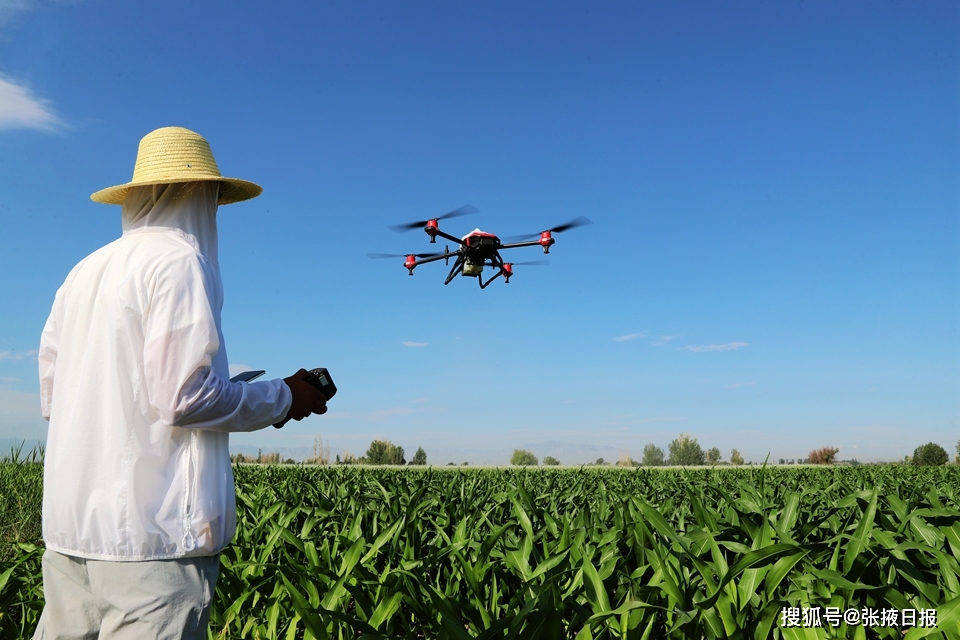
In the heart of Canada's agricultural landscape, from the sprawling fields of Ontario to the vast prairies, farmers are constantly seeking innovative ways to enhance efficiency, reduce costs, and embrace sustainable practices. The advent of precision agriculture has opened up new frontiers, and at the forefront of this revolution is the use of unmanned aerial vehicles (UAVs), or drones, for crop spraying. This technology presents a compelling alternative to traditional methods, promising a future where farming is more precise, data-driven, and environmentally conscious. But for the practical farmer, the bottom line is what truly matters. Is drone spraying a financially viable option for Canadian farms? This comprehensive cost-benefit analysis will delve into the economics of drone spraying versus traditional methods, providing you with the insights needed to make an informed decision for your farm.
The Rise of Drone Technology in Agriculture
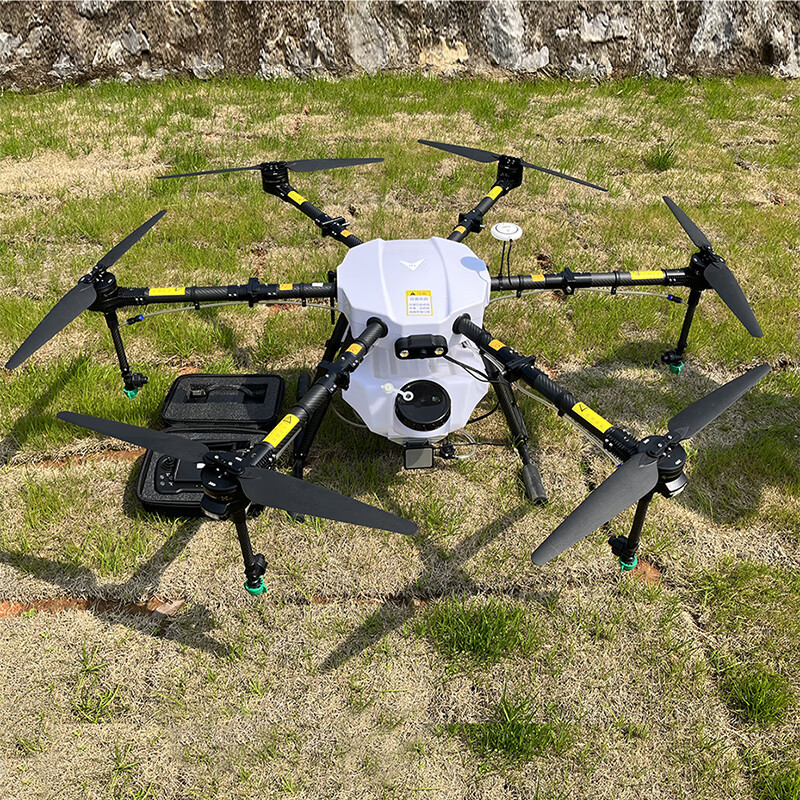
Drones are no longer just a hobbyist's toy or a tool for aerial photography. In agriculture, they have rapidly evolved into sophisticated machines capable of performing a multitude of tasks, from crop monitoring and soil analysis to targeted spraying of fertilizers, pesticides, and herbicides. This transformation is driven by advancements in GPS technology, high-resolution cameras, and autonomous flight capabilities, allowing for an unprecedented level of precision and control.
Traditional Spraying Methods: A Quick Recap
For decades, Canadian farmers have relied on two primary methods for crop spraying: ground-based boom sprayers and manned aircraft. While these methods have served the industry well, they come with their own set of limitations.
| Method | Pros | Cons |
|---|---|---|
| Boom Sprayers | High capacity, suitable for large, flat fields. | Soil compaction, crop damage, inability to access wet or difficult terrain. |
| Aerial Spraying (Manned Aircraft) | Fast coverage of large areas, no soil compaction. | High cost, spray drift, less precise application, limited by weather conditions. |
Drone Spraying: A Paradigm Shift
Drone spraying represents a significant leap forward, addressing many of the challenges associated with traditional methods. Here are some of the key advantages:
- Unmatched Precision: Drones can be programmed to fly at a consistent, low altitude, ensuring precise application of sprays directly to the target area. This minimizes spray drift and reduces the amount of chemicals needed, leading to both cost savings and environmental benefits.
- Improved Accessibility: Drones can easily navigate difficult terrain, including hills, wet areas, and irregularly shaped fields, where traditional machinery would struggle.
- Reduced Soil Compaction: Being airborne, drones eliminate the issue of soil compaction caused by heavy ground equipment, which can negatively impact crop yields over time.
- Enhanced Safety: Drone spraying reduces the operator's exposure to potentially harmful chemicals, as the application is done remotely.
- Data-Driven Decisions: Drones can be equipped with multispectral sensors to gather data on crop health, allowing for targeted interventions and optimized resource allocation.
Cost-Benefit Analysis: Drone Spraying vs. Traditional Methods
Now, let's get to the heart of the matter: the costs. While the initial investment in a high-quality agricultural drone can be significant, the long-term economic benefits often outweigh the upfront costs. A study from the University of Missouri provides a detailed breakdown of the costs associated with drone spraying, which we can adapt to the Canadian context.
Here's a comparative look at the estimated costs per acre for drone spraying versus traditional methods:
| Cost Component | Drone Spraying (per acre) | Traditional Methods (per acre) |
|---|---|---|
| Operating Costs | ||
| Fuel/Energy | $0.15 | Variable (higher for machinery) |
| Labor | $1.05 | Variable (often higher) |
| Maintenance/Repairs | $2.06 | Variable (can be substantial) |
| Ownership Costs | ||
| Depreciation & Interest | $6.58 | Variable (high for large equipment) |
| Total Estimated Cost | $12.27 | $15 - $25+ (estimate) |
Note: These are estimated costs and can vary based on farm size, crop type, and specific equipment used. The drone spraying costs are based on a farmer spraying 1,000 acres per year.
While the table provides a snapshot, the true value of drone spraying emerges when you consider the indirect benefits:
- Increased Yields: Reduced soil compaction and more precise application can lead to healthier crops and higher yields.
- Input Savings: Targeted spraying means less wasted fertilizer, pesticide, and herbicide, directly impacting your bottom line.
- Water Conservation: Some drone spraying systems use less water than traditional methods, a crucial advantage in water-scarce regions.
Navigating the Regulatory Landscape in Canada
The use of drones for pesticide application in Canada is a rapidly advancing field. Health Canada's Pest Management Regulatory Agency (PMRA) is continuously approving new products for drone application as the technology proves its safety and efficacy. Staying informed about the latest guidelines from both Transport Canada (for drone operation) and Health Canada (for pesticide use) is key to maximizing the benefits of this technology. SkyFlow is committed to helping our clients navigate this regulatory landscape, ensuring that all our services and products are fully compliant with Canadian law.
SkyFlow: Your Partner in Precision Agriculture
At SkyFlow, we understand the challenges and opportunities facing Canadian farmers. We offer a range of cutting-edge drone spraying solutions, from state-of-the-art equipment to expert consultation and support. Our team of specialists can help you:
- Choose the right drone and equipment for your specific needs.
- Develop a customized drone spraying program for your farm.
- Navigate the regulatory requirements for drone operation and pesticide application.
- Analyze the data collected by your drone to make informed decisions and optimize your operations.
With SkyFlow, you're not just buying a drone; you're investing in a partnership dedicated to the success and sustainability of your farm.
Frequently Asked Questions (FAQ)
Q: Is drone spraying legal in Canada?
A: Absolutely. Drone spraying is fully compliant with Canadian regulations. Transport Canada has established clear guidelines for drone operation, and Health Canada's PMRA is continuously expanding the list of approved pesticides for drone application. It's essential to work with a certified and knowledgeable provider like SkyFlow to ensure all operations are conducted in full compliance.
Q: How much does an agricultural drone cost?
A: The cost can range from $20,000 to $50,000 or more, depending on the model, features, and payload capacity.
Q: How many acres can a drone spray in a day?
A: This depends on the drone's capacity, battery life, and the specific application. However, many agricultural drones can cover 10-20 acres per hour.
Conclusion
The shift towards drone spraying is more than just a trend; it's a fundamental change in how we approach crop care. While the initial investment and regulatory hurdles require careful consideration, the long-term benefits of increased efficiency, reduced costs, and improved sustainability are undeniable. For Canadian farmers looking to stay competitive and embrace the future of agriculture, drone spraying offers a powerful tool to cultivate a more profitable and resilient farming operation.
Ready to explore the benefits of drone spraying for your farm? Contact SkyFlow today for a free consultation and learn how our innovative solutions can help you take your farming operation to new heights.
[1] University of Missouri Extension. (2025). Economics of Drone Ownership for Agricultural Spray Applications. Retrieved from https://extension.missouri.edu/publications/g1274 [2] Sprayers 101. (2025). Drone Spraying in Canadian Agriculture (up to 2024). Retrieved from https://sprayers101.com/droning-canada/
What do you need next?
Two quick paths: book spraying/scouting services, or explore ownership/financing options for drones and parts.
Get drone spraying, precision scouting, and variable-rate applications across Ontario. Fast scheduling and pro operation.
Browse drones, parts, and accessories. If you want a demo or need help choosing, we’ll guide you to the right setup.